There is no denying that true Studio Ghibli fans never shy away from all the facts and history that are associated with the animation studio. And to be honest, for years, fans of both anime history and Ghibli have wondered what made Hayao Miyazaki abruptly walk away from the 1979 Anne of Green Gables project. It honestly kept on resurfacing every time people revisited the early careers of Miyazaki and Isao Takahata.
And recently animator Yoshiharu Sato offered everyone of us a rare bit of insight during an interview, and even though his comments aren’t definitive, they finally give us something that actually feels human and believable. What he shared makes many of us see the situation in a different light, especially when we think about Miyazaki’s long, complicated relationship with the kinds of heroines he likes to bring to life.
The Ghibli Heroine vs. Anne Shirley Divide
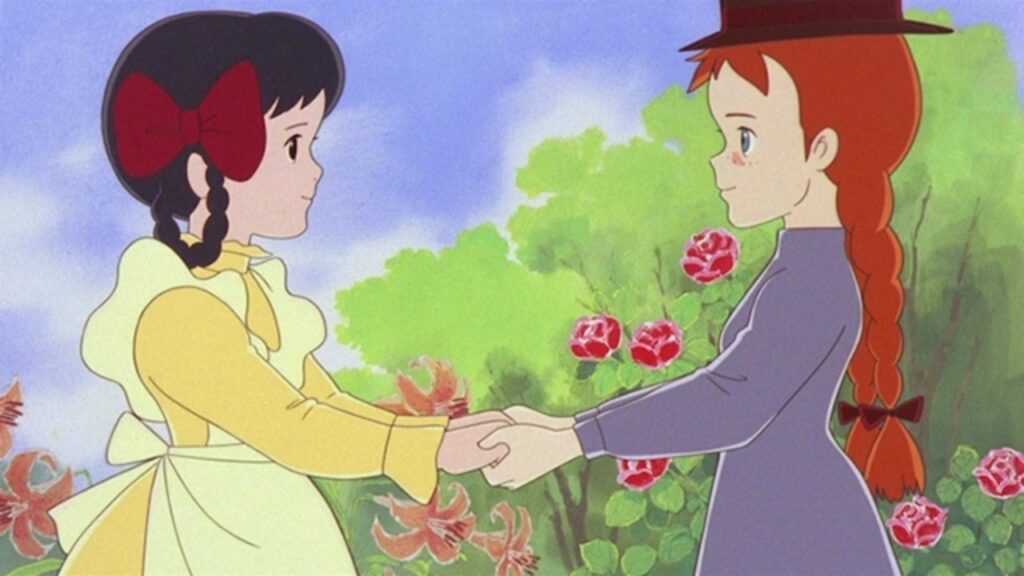
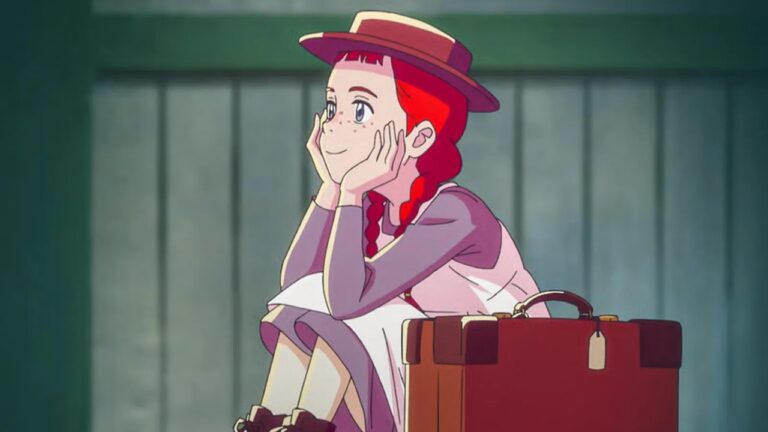
This is actually one of the most interesting parts because Sato never worked directly with Miyazaki on the series. By the time Sato joined Nippon Animation, Miyazaki had already moved on to Telecom Animation Film, so everything he heard came through casual studio chatter. But those small comments still say a lot. Sato recalled hearing a half-joking remark that “Miyazaki-san left because he didn’t like girls like Anne,” which immediately reframed the discussion around Miyazaki’s taste in protagonists and the choices he makes when it comes to creating them.
When we deeply look at his body of work, it, to an extent, does make sense. We all know Miyazaki gravitates toward certain qualities in his heroines, no matter what age group they are in. The beauty portrayed behind every woman in every Ghibli movie has always caught its viewers’ gaze, even if they aren’t the protagonists sometimes. The bravery, selflessness, grounded optimism, and very specific emotional clarity are something all Ghibli women thrive on, and on the other hand, Anne Shirley is messy, dramatic, impulsive, and constantly lost in her imagination. She is beloved for those traits, but they are very different from the Miyazaki archetype.
It becomes even clearer when you remember that the same year he left Anne of Green Gables, Miyazaki directed Lupin III: The Castle of Cagliostro, featuring Clarisse, a character Sato himself pointed to as “the kind of girl Miya-san likes.”
Sato also admitted that he personally struggled to understand Anne, especially compared to Takahata’s earlier portrayal of Heidi. Where Heidi felt warm and universally relatable, Anne was written with edges, and even Sato found characters like Marilla and Matthew easier to connect with. That difference alone could explain the split in creative vision. And maybe that’s all this ever was. Just an artist recognizing that a character didn’t align with his instincts and choosing a different path for himself while letting his work grow.