10 Books And Movies That Were Both Truly Excellent
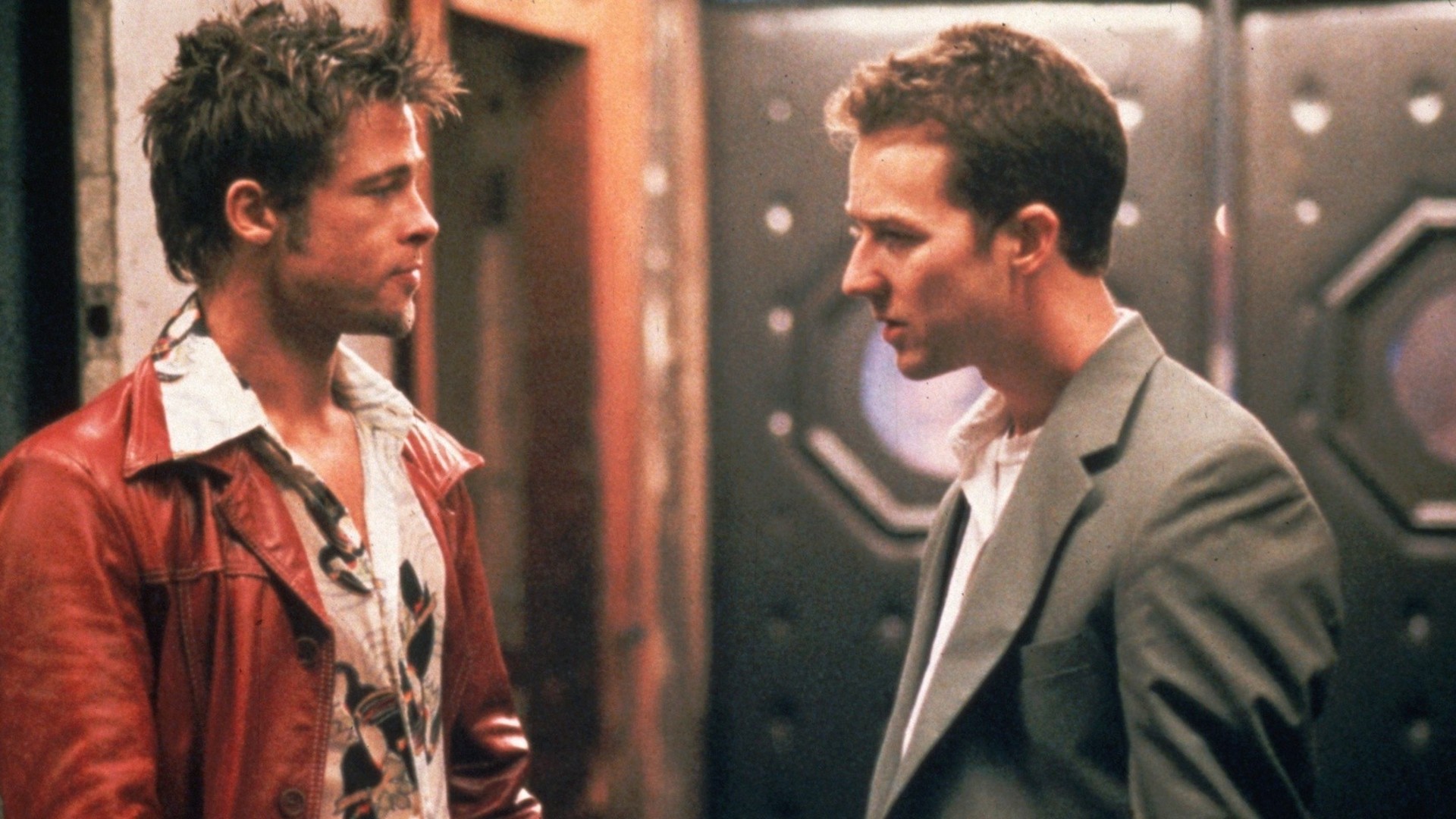
10. Fight Club
Chuck Palahniuk’s story begins as rebellion and becomes a study of fractured identity, while David Fincher’s adaptation sharpens that chaos through rhythm and visual precision.
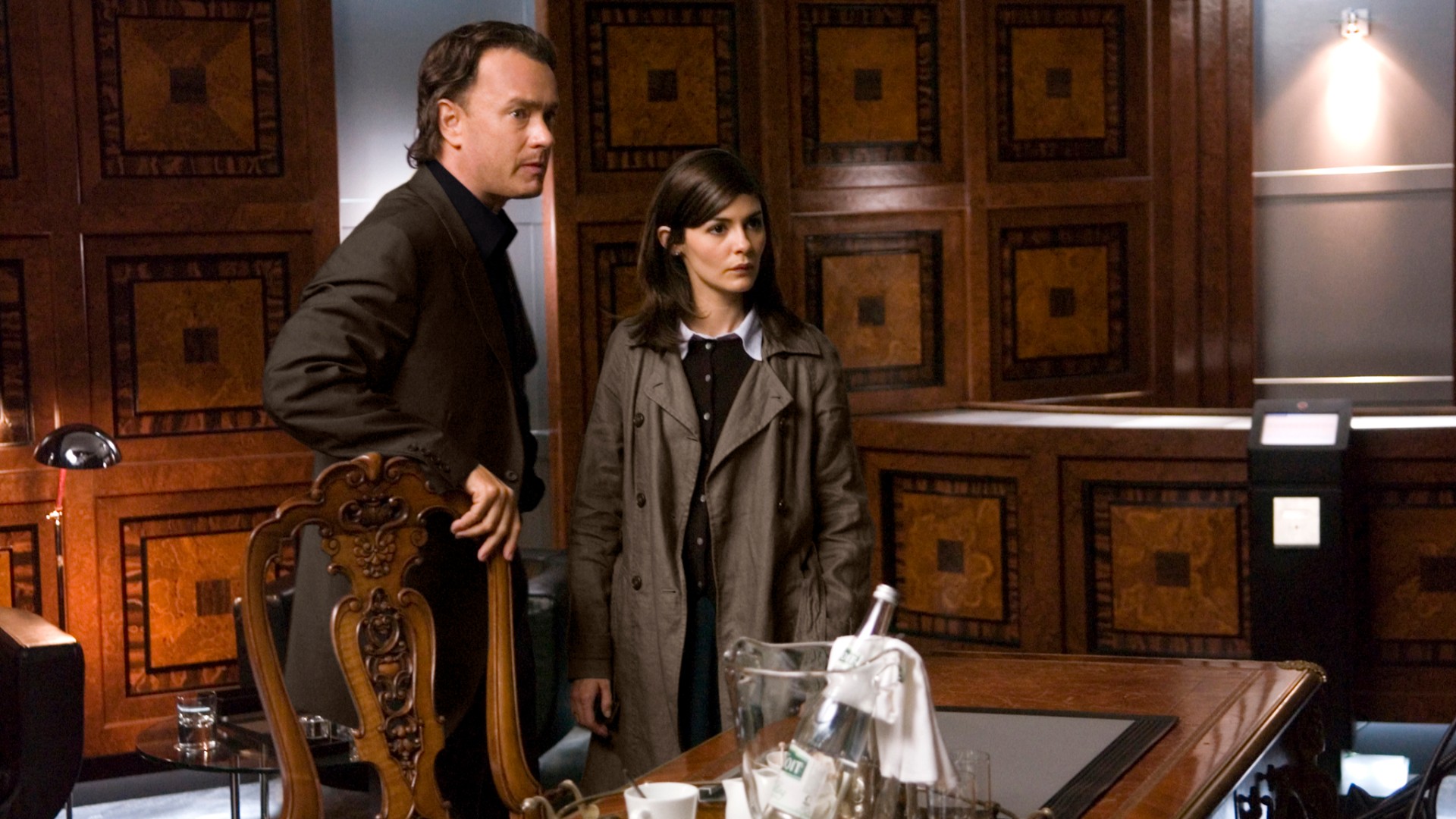
9. The Da Vinci Code
Dan Brown’s novel races through art, history, and faith, while Ron Howard’s film channels that same urgency into motion and suspense. Each version reflects how the pursuit of truth often reveals the most human dimensions of belief.

8. Solaris
Stanisław Lem explores memory and longing within the unknown, and Andrei Tarkovsky mirrors that introspection through stillness and dreamlike imagery.
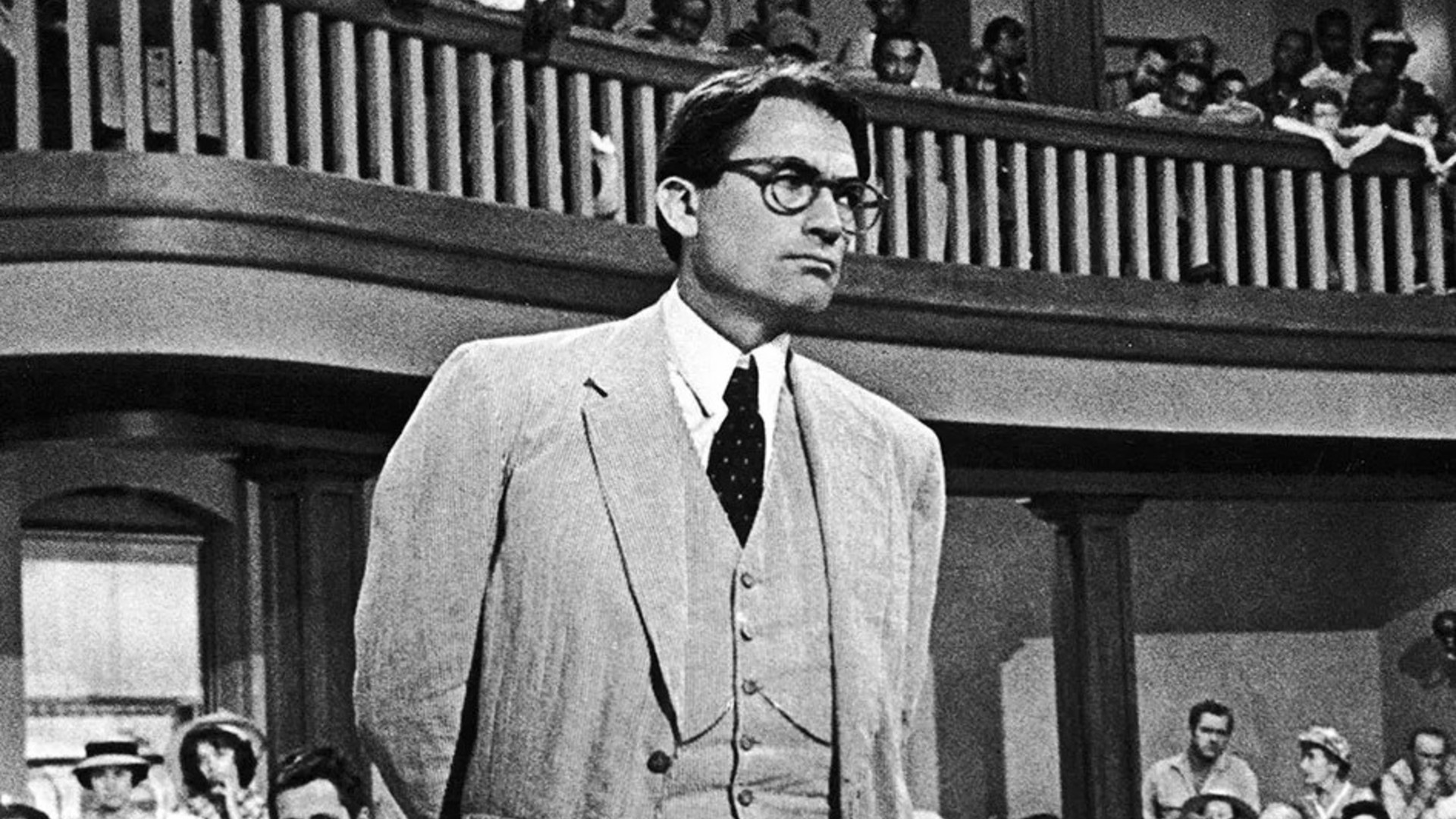
7. To Kill a Mockingbird
Harper Lee’s novel captures the innocence of childhood confronting injustice, and the film sustains that moral clarity through Gregory Peck’s calm conviction.
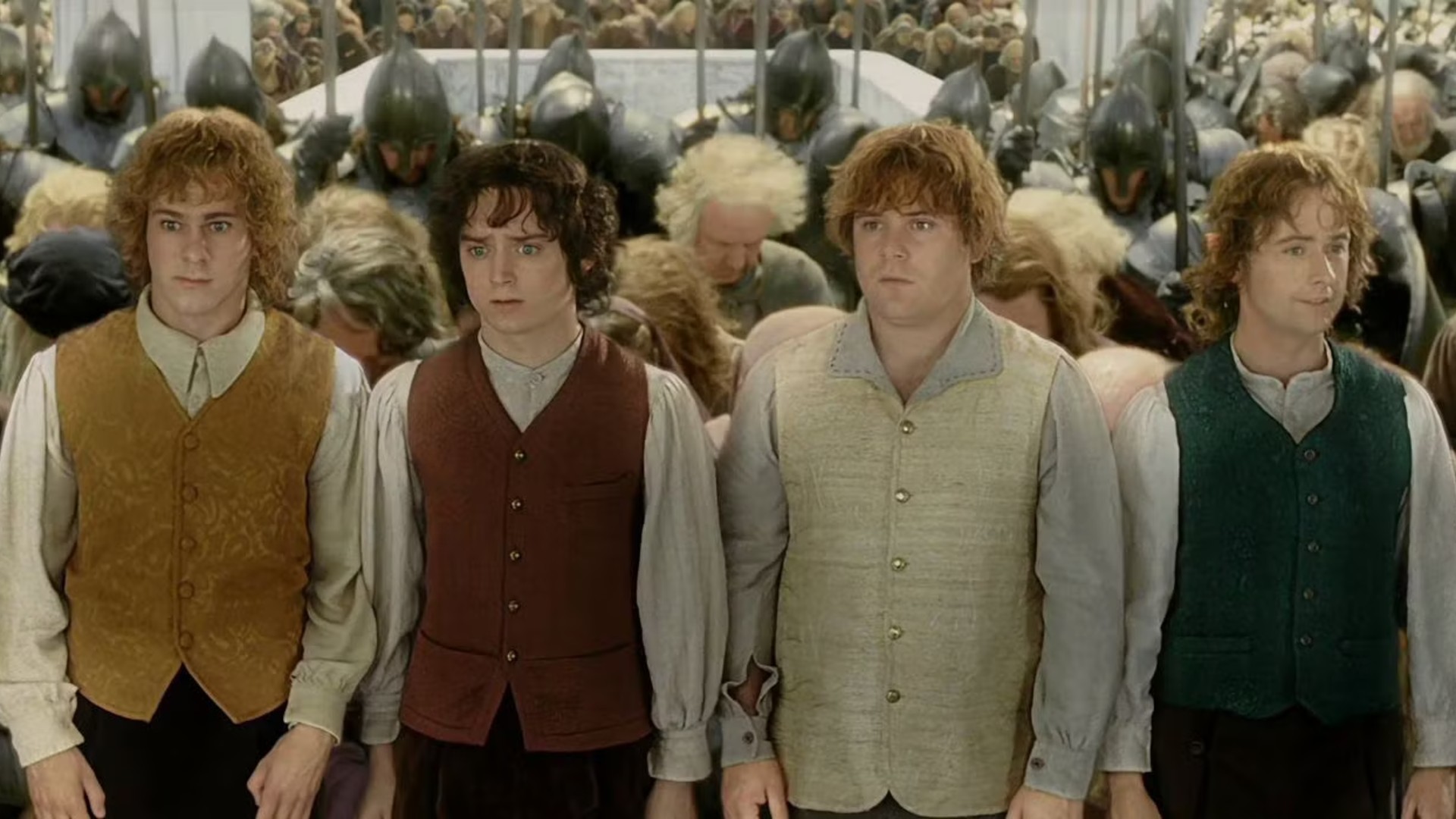
6. The Lord of the Rings Trilogy
J.R.R. Tolkien’s world honors the beauty of endurance, friendship, and hope over power, while Peter Jackson brings that spirit to life with vivid realism.
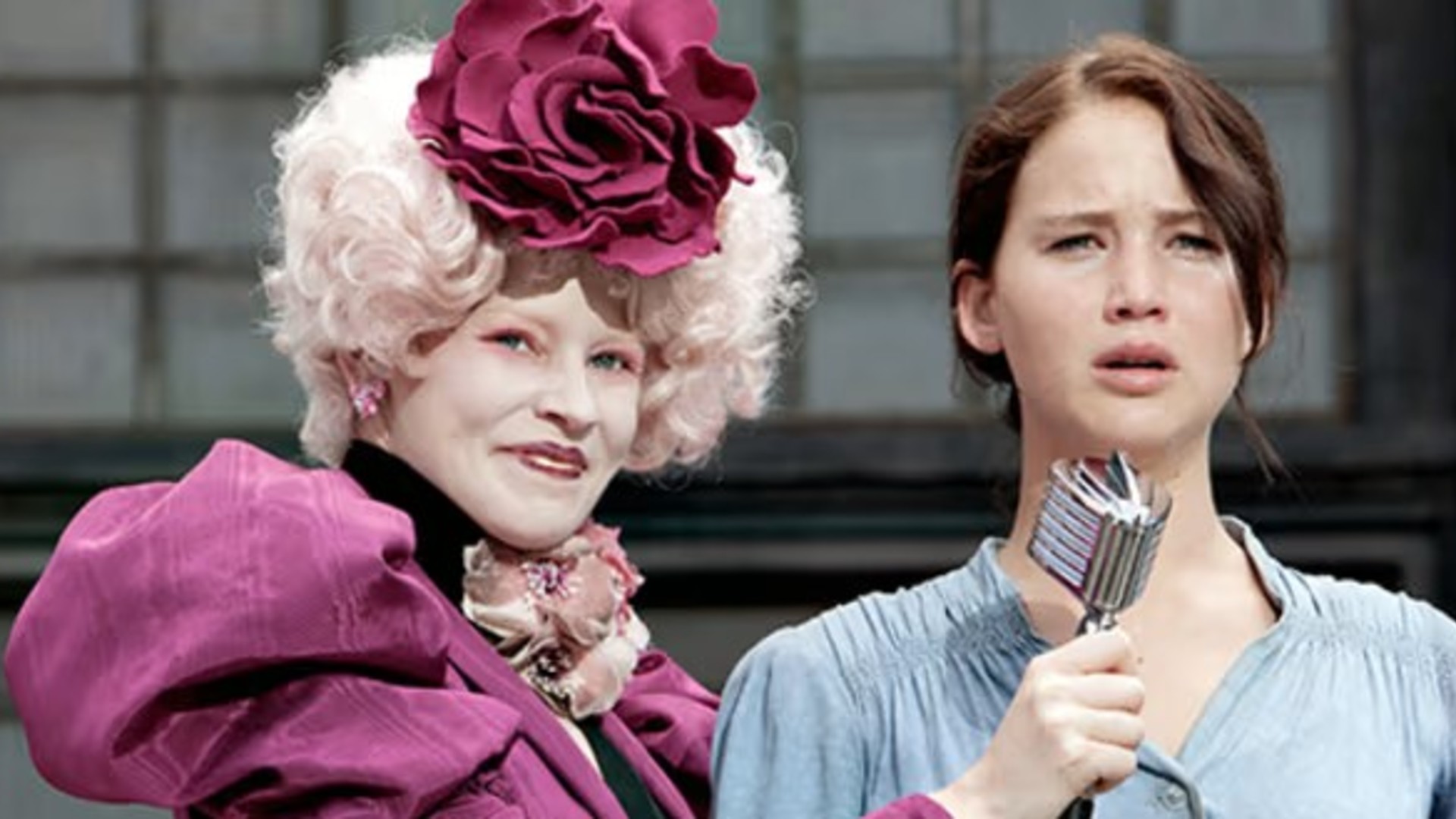
5. The Hunger Games
Suzanne Collins exposes a world that disguises cruelty as entertainment, and the film heightens that vision with immediacy and urgency. Together, they trace how survival gives rise to rebellion and how defiance evolves from a solitary instinct into a catalyst for change.
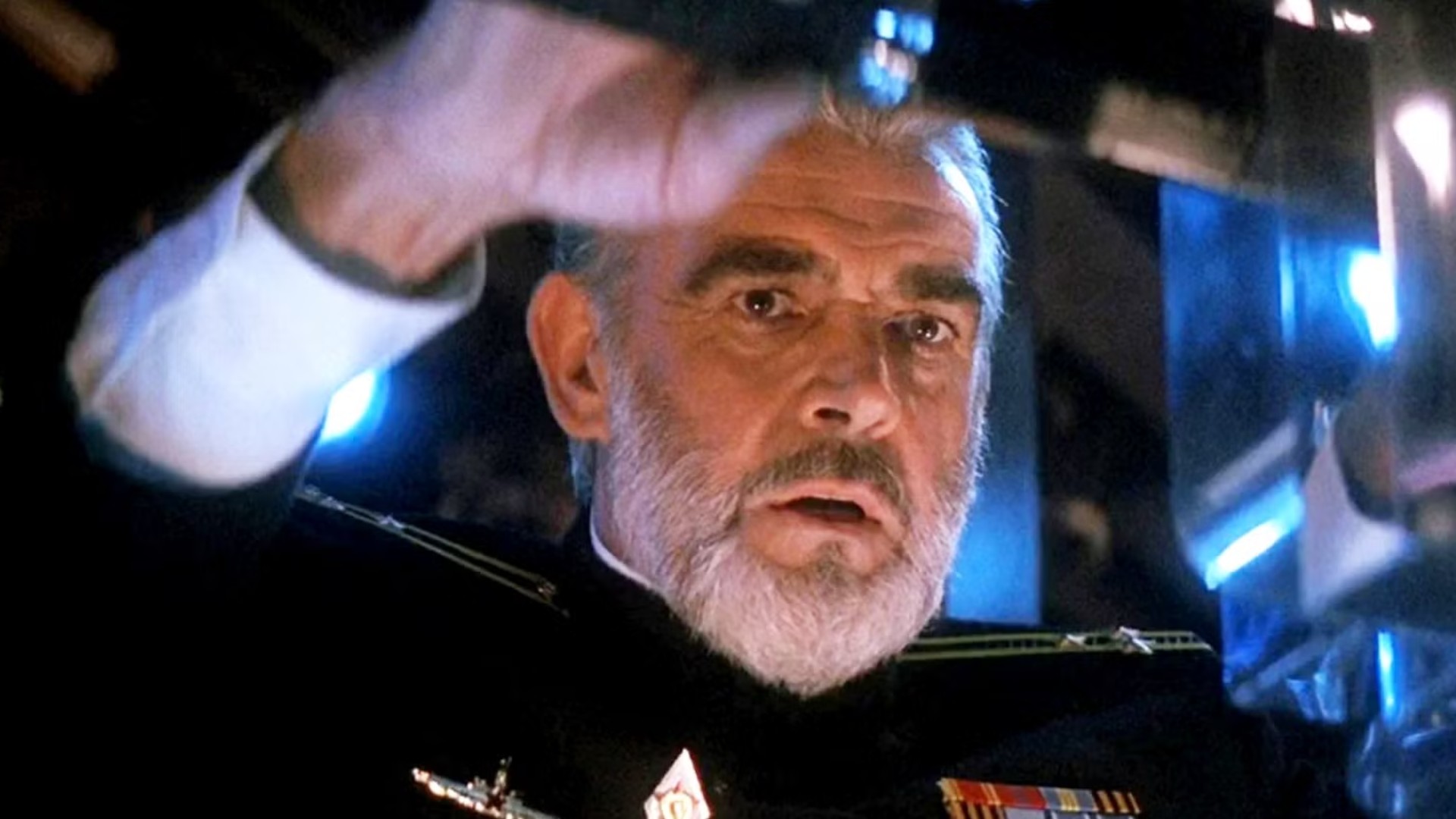
4. The Hunt for Red October
Tom Clancy’s novel balances Cold War precision with moral restraint, and the film deepens that tension through subtlety rather than spectacle. Each reveals how courage often appears not in defiance, but in the quiet act of choosing principle over fear.
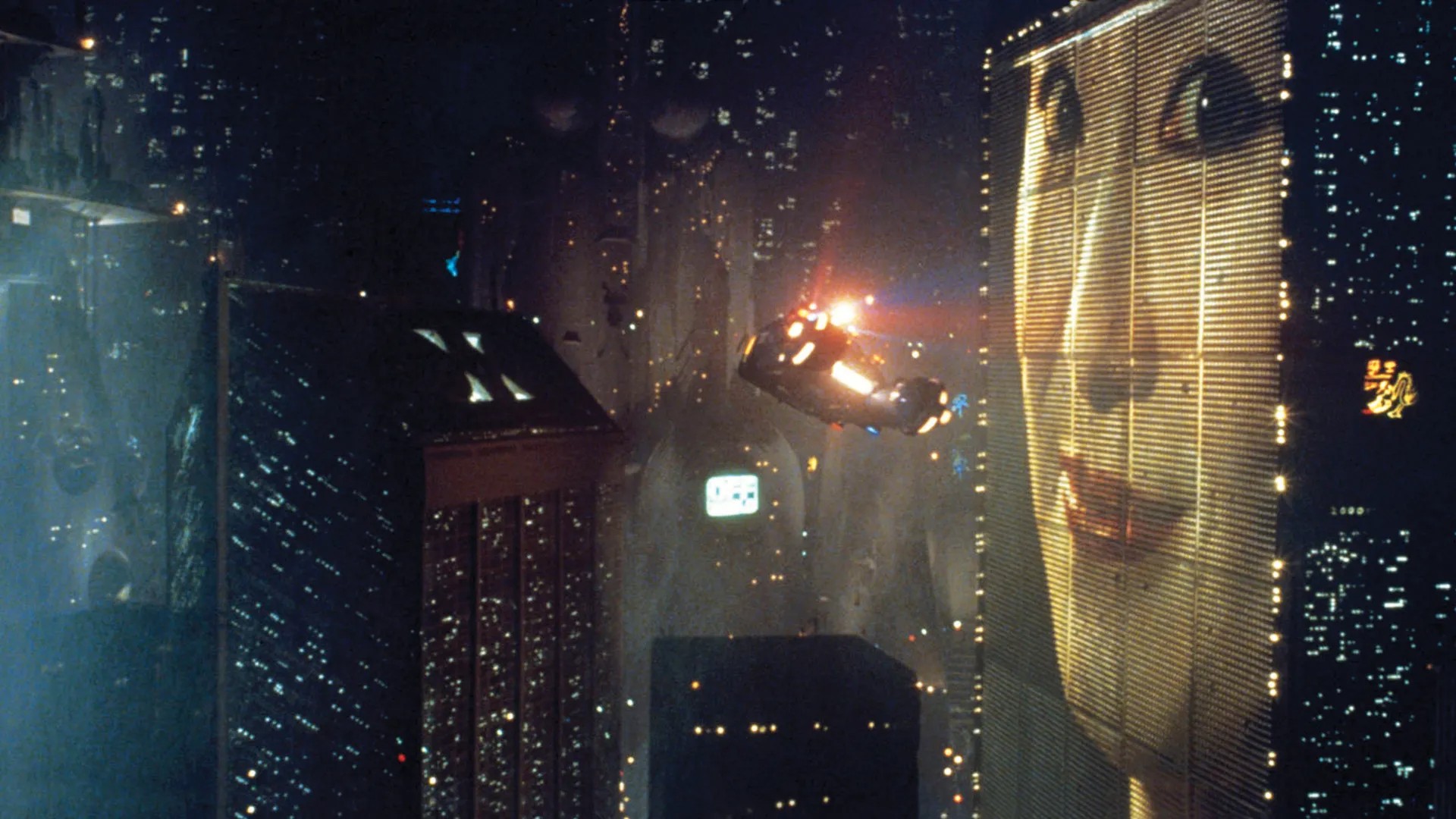
3. Do Androids Dream of Electric Sheep? / Blade Runner
Philip K. D. questions what defines humanity in a world of imitation, and Ridley Scott turns that reflection into atmosphere and shadow, leaving us uncertain whether we are shaped more by memory or by our own choices.
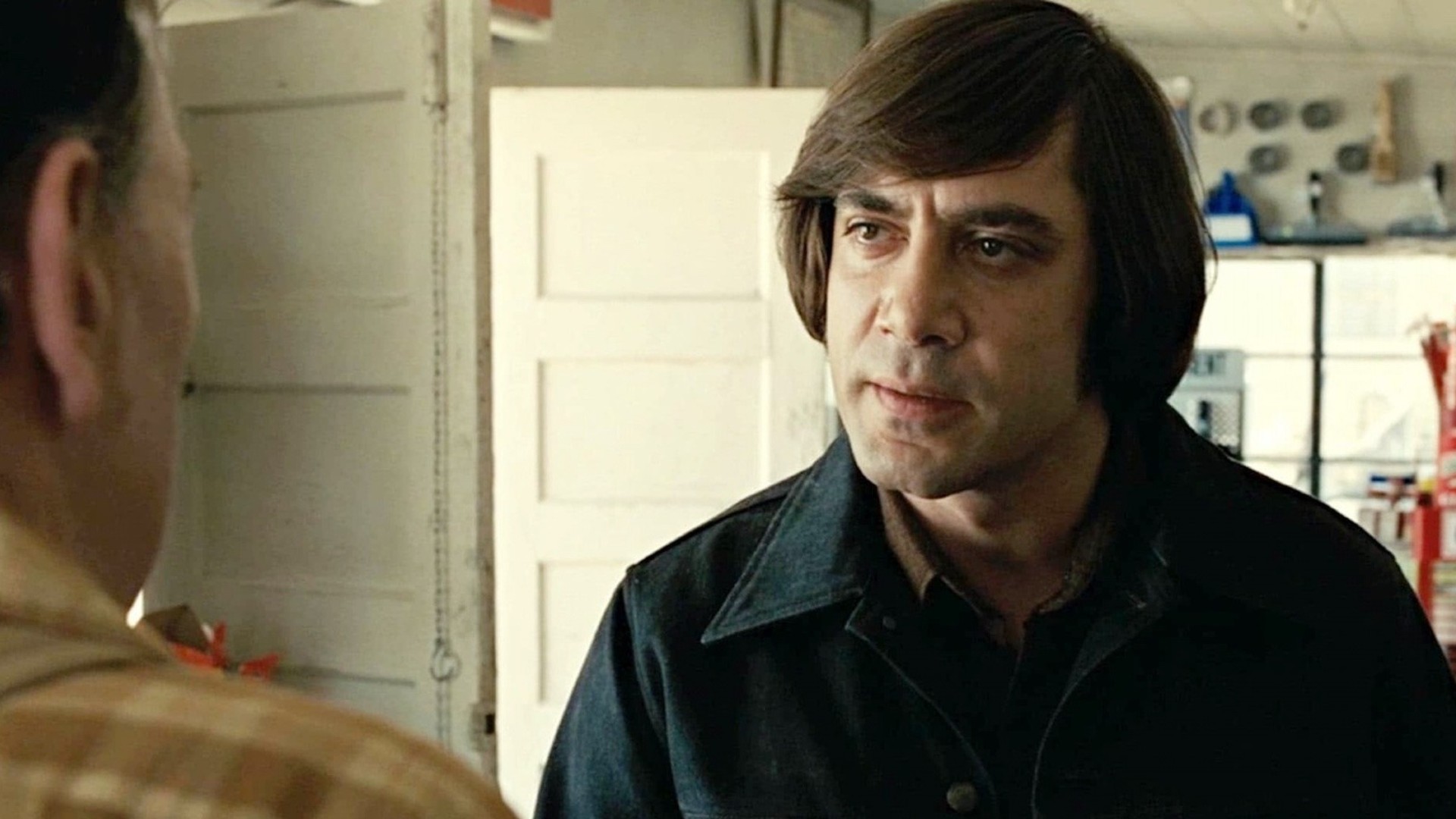
2. No Country for Old Men
Cormac McCarthy’s novel moves with quiet inevitability, its violence unfolding in silence and pause. The Coen Brothers preserve that stillness, showing how morality frays as time advances beyond the reach of justice.
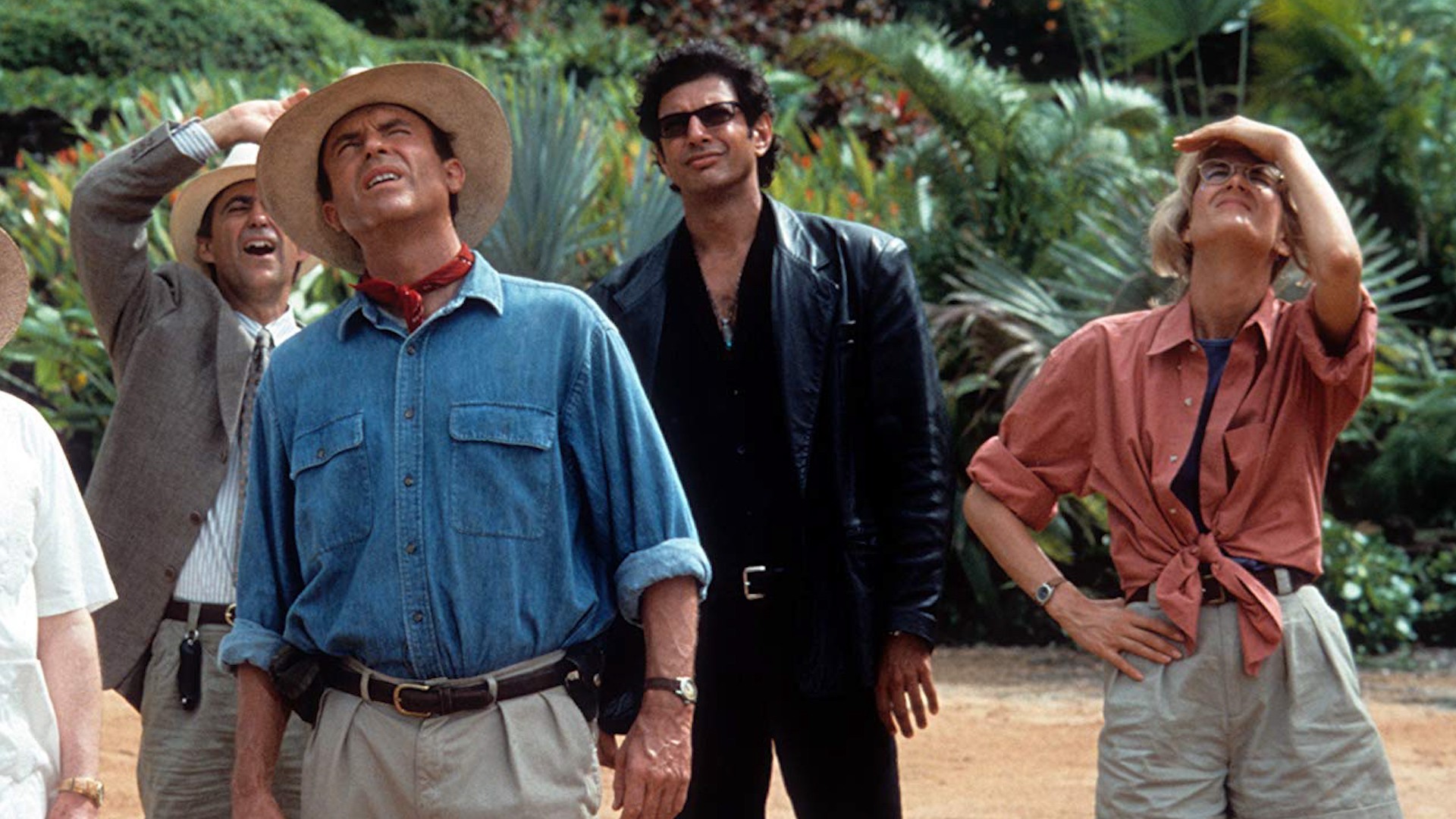
1. Jurassic Park
Michael Crichton’s novel turns scientific discovery into a warning about unchecked ambition, while Steven Spielberg’s film captures that same tension through precise storytelling and powerful visuals.