10 Classic 1960s Performances Every Movie Fan Should Know
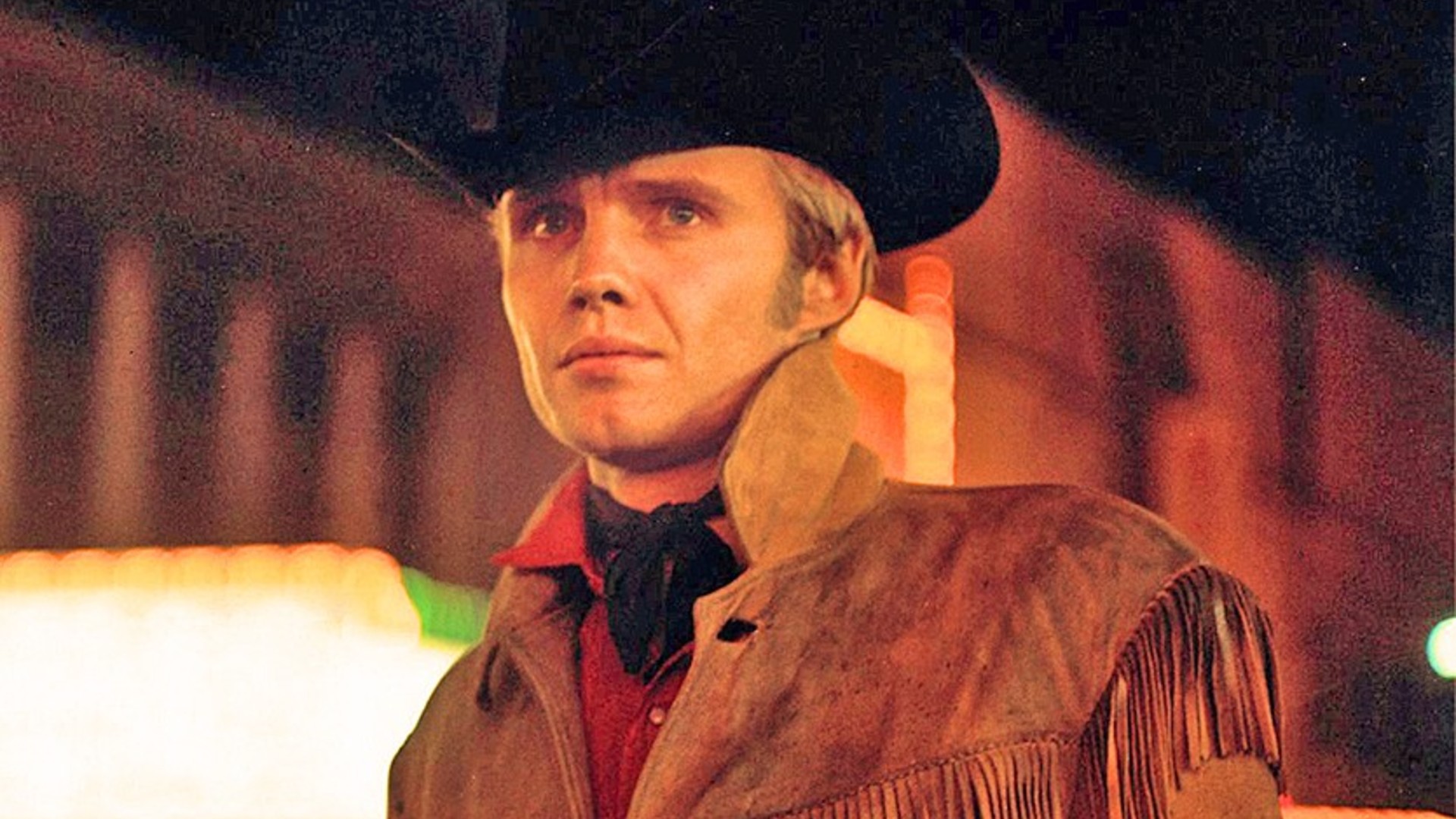
10. Jon Voight in Midnight Cowboy (1969)
Voight’s portrayal of Joe Buck reflected the harsh realities of disillusionment at the end of the 1960s. His mix of innocence and desperation made the character deeply sympathetic. The performance captured both hope and decay in a rapidly changing America. Voight’s chemistry with Dustin Hoffman created one of the film’s most affecting partnerships. It marked a transition toward realism and emotional honesty in modern acting.
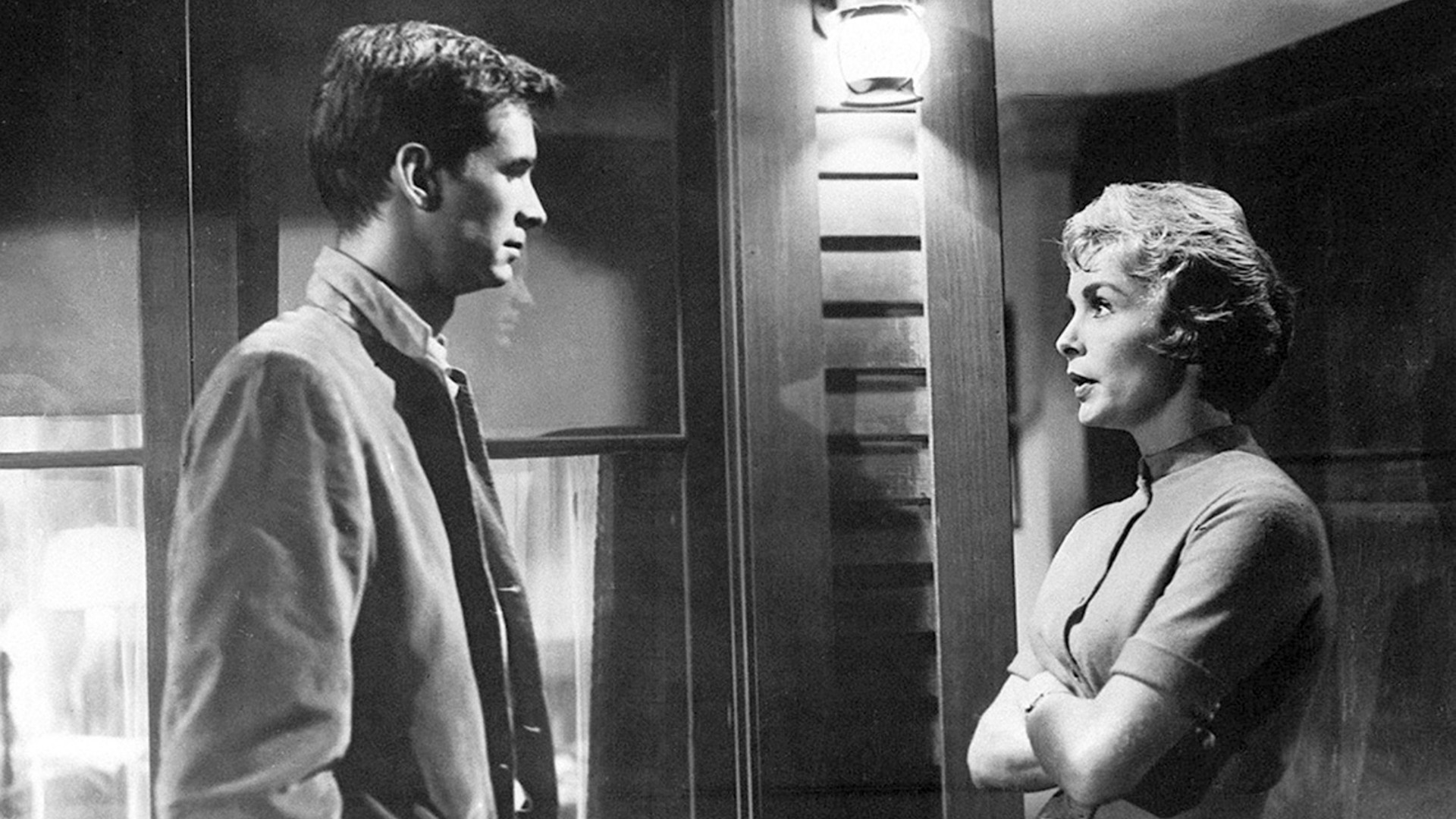
9. Anthony Perkins in Psycho (1960)
Perkins gave Norman Bates an unsettling humanity, transforming a horror villain into a tragic figure. His gentle manner and nervous charm concealed instability that felt disturbingly real. The performance shifted the genre by focusing on psychological unease rather than spectacle. Every movement and pause hinted at conflict within. Perkins’ work remains one of the most influential performances in cinematic suspense.
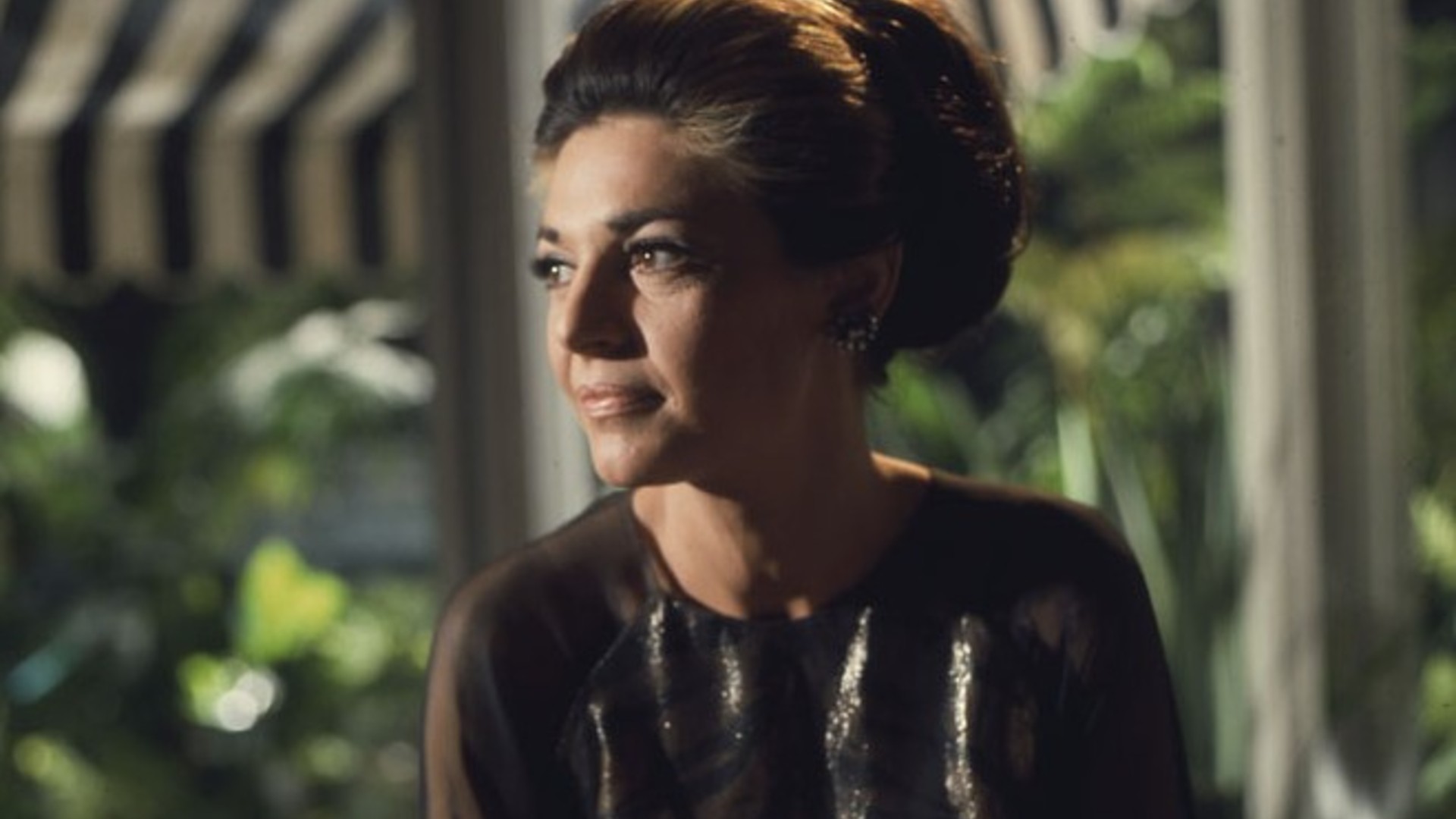
8. Anne Bancroft in The Graduate (1967)
Bancroft brought complexity and sadness to Mrs. Robinson, a woman both manipulative and wounded. Her performance avoided cliché, revealing vulnerability beneath composure and allure. Through restrained gestures and glances, she conveyed a lifetime of disappointment. The role redefined female characters in modern American film, moving beyond simple seduction. Bancroft’s layered work made Mrs. Robinson both human and haunting.
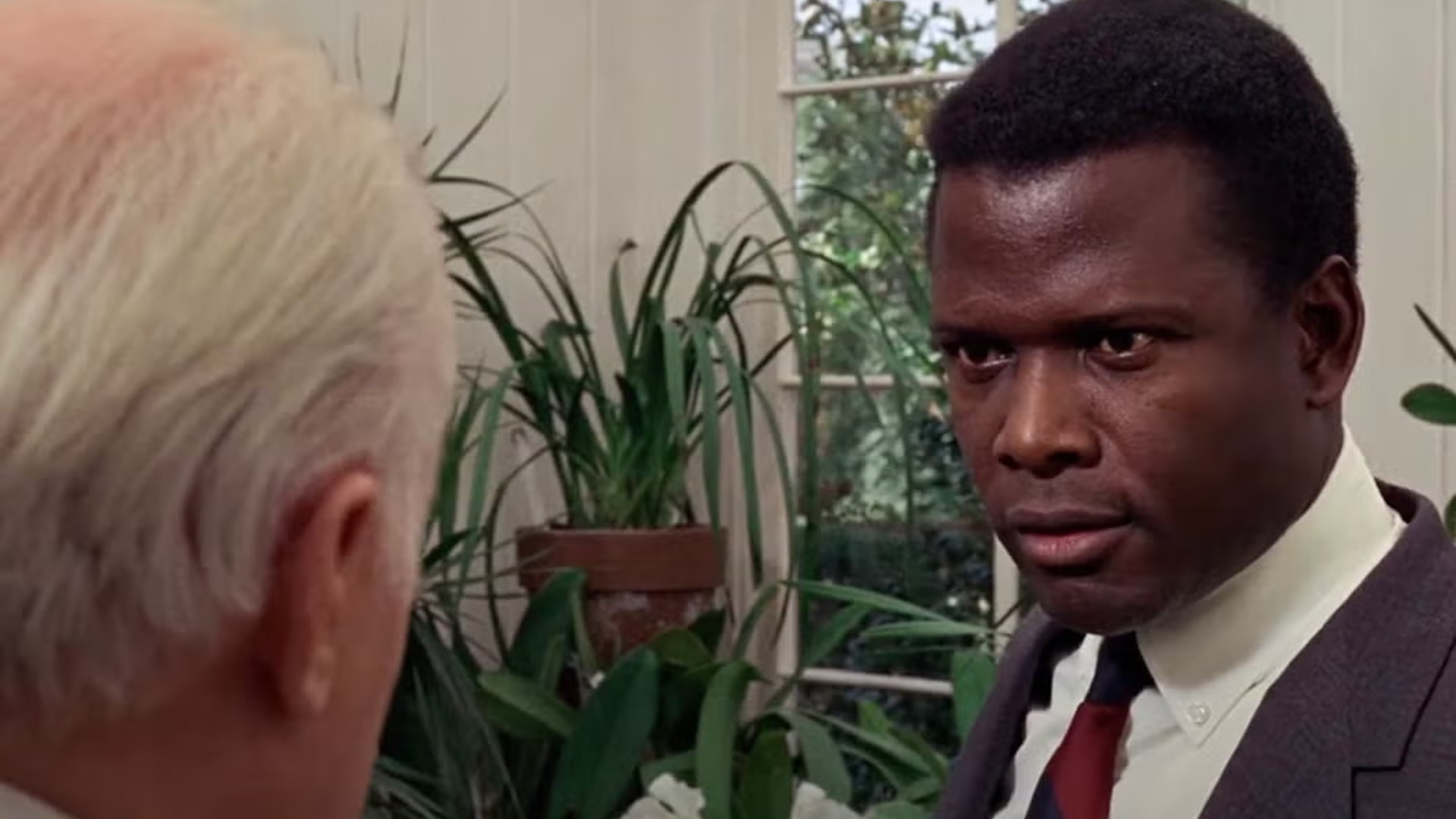
7. Sidney Poitier in Lilies of the Field (1963) and In the Heat of the Night (1967)
Poitier’s performances combined dignity and quiet defiance, breaking barriers in Hollywood representation. In Lilies of the Field, his calm strength reflected perseverance and grace, earning him an Oscar. In In the Heat of the Night, he projected intelligence and controlled anger in the face of prejudice. His presence challenged stereotypes with intelligence rather than confrontation. Together, these roles marked a cultural and artistic turning point in cinema.
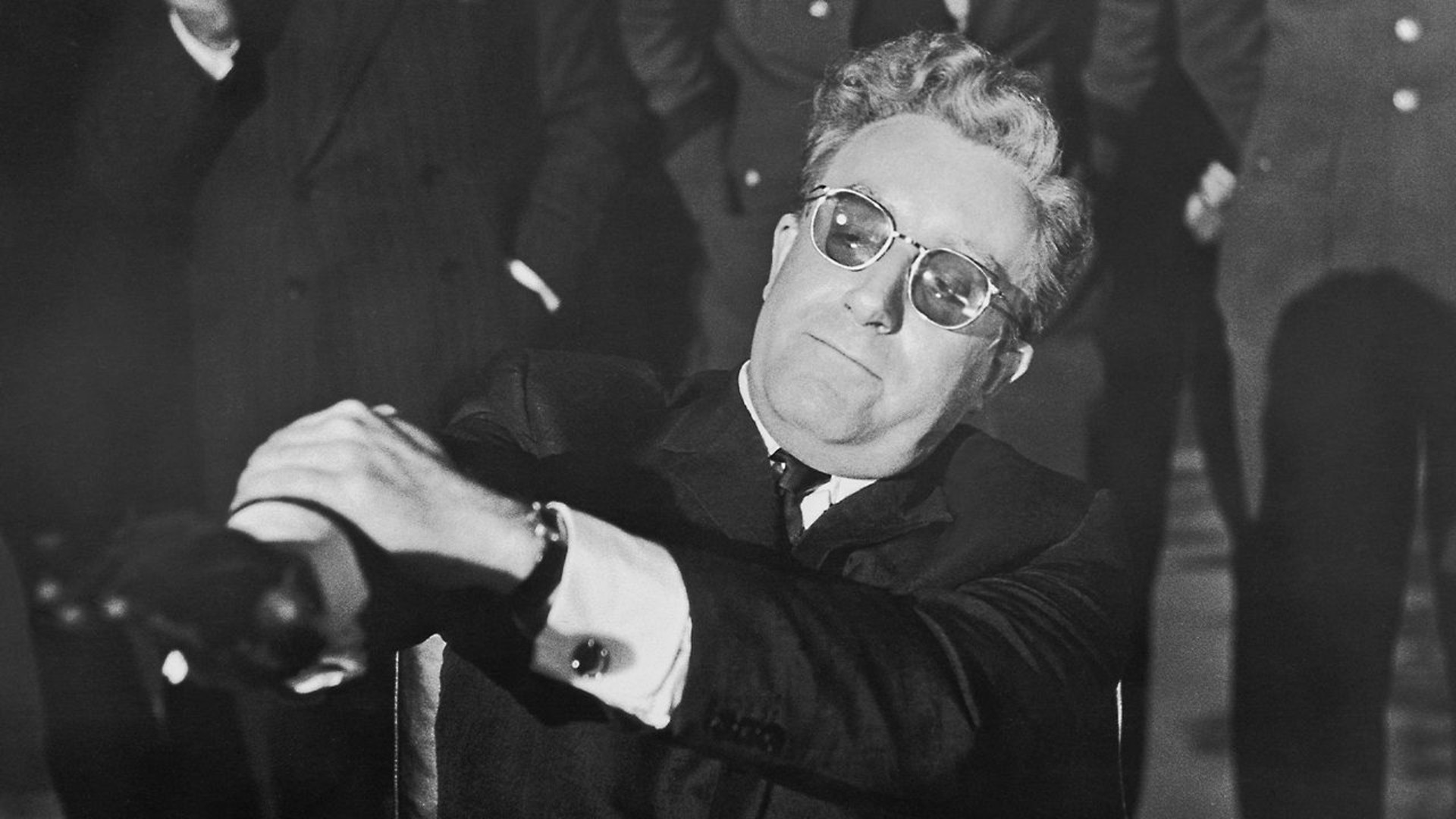
6. Peter Sellers in Dr. Strangelove (1964)
Sellers displayed extraordinary versatility by portraying three distinct characters, each marked by sharp wit and control. His subtle transitions between absurdity and logic deepened the film’s satire on war and politics. Without relying on exaggeration, he created humor rooted in intelligence and timing. His ability to balance multiple roles with precision was unprecedented. Sellers’ work became a landmark for comedic acting with dramatic intelligence.
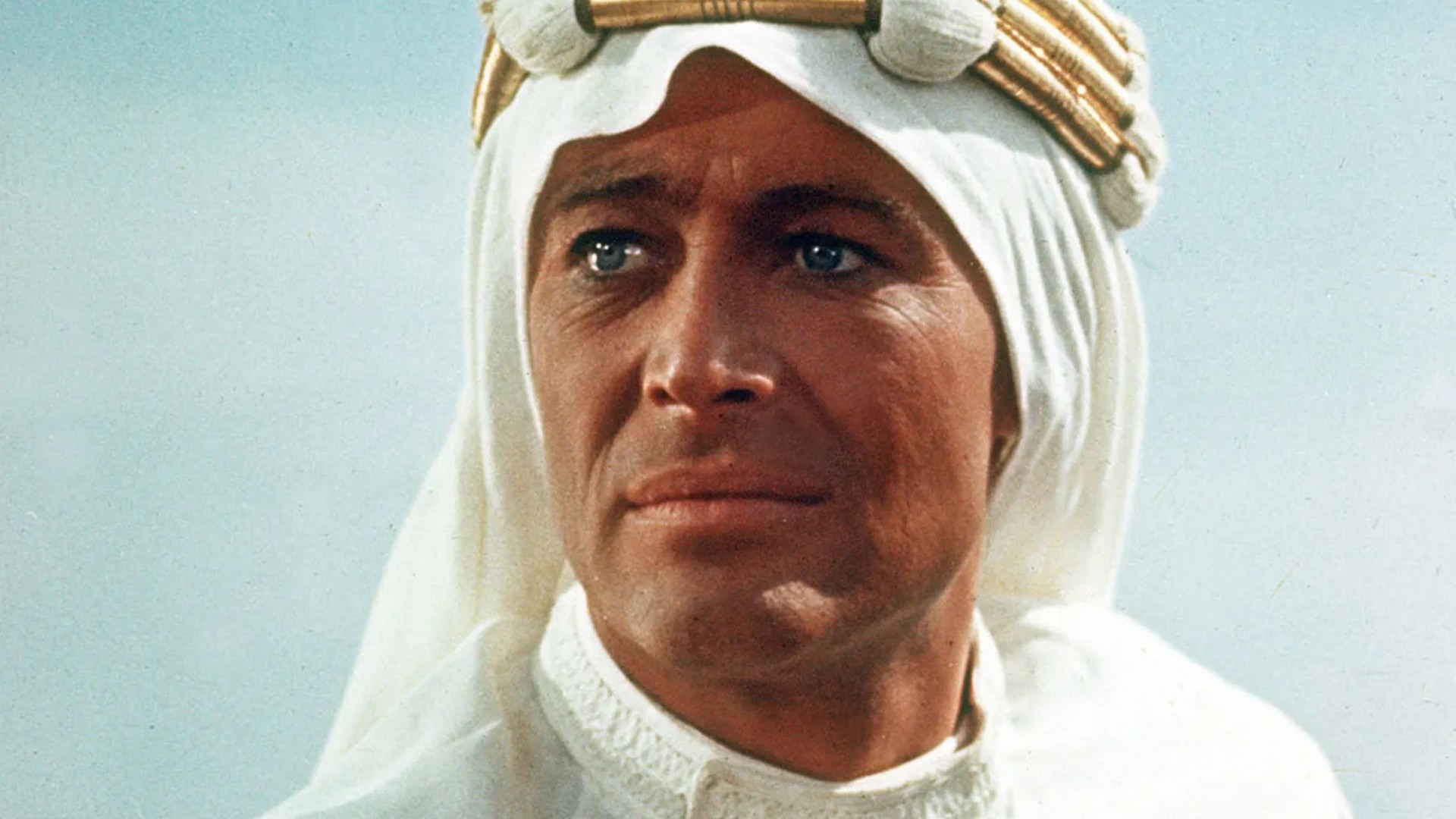
5. Peter O’Toole in Lawrence of Arabia (1962)
O’Toole’s performance captured the contradictions of heroism through intelligence, pride, and self-doubt. His portrayal of T.E. Lawrence balanced charisma with introspection, shaping one of film’s most complex protagonists. O’Toole’s physical presence and piercing expression made the vast desert landscapes feel intimate. Every shift in his character reflected moral conflict and ambition. It remains one of the most celebrated performances in epic cinema.
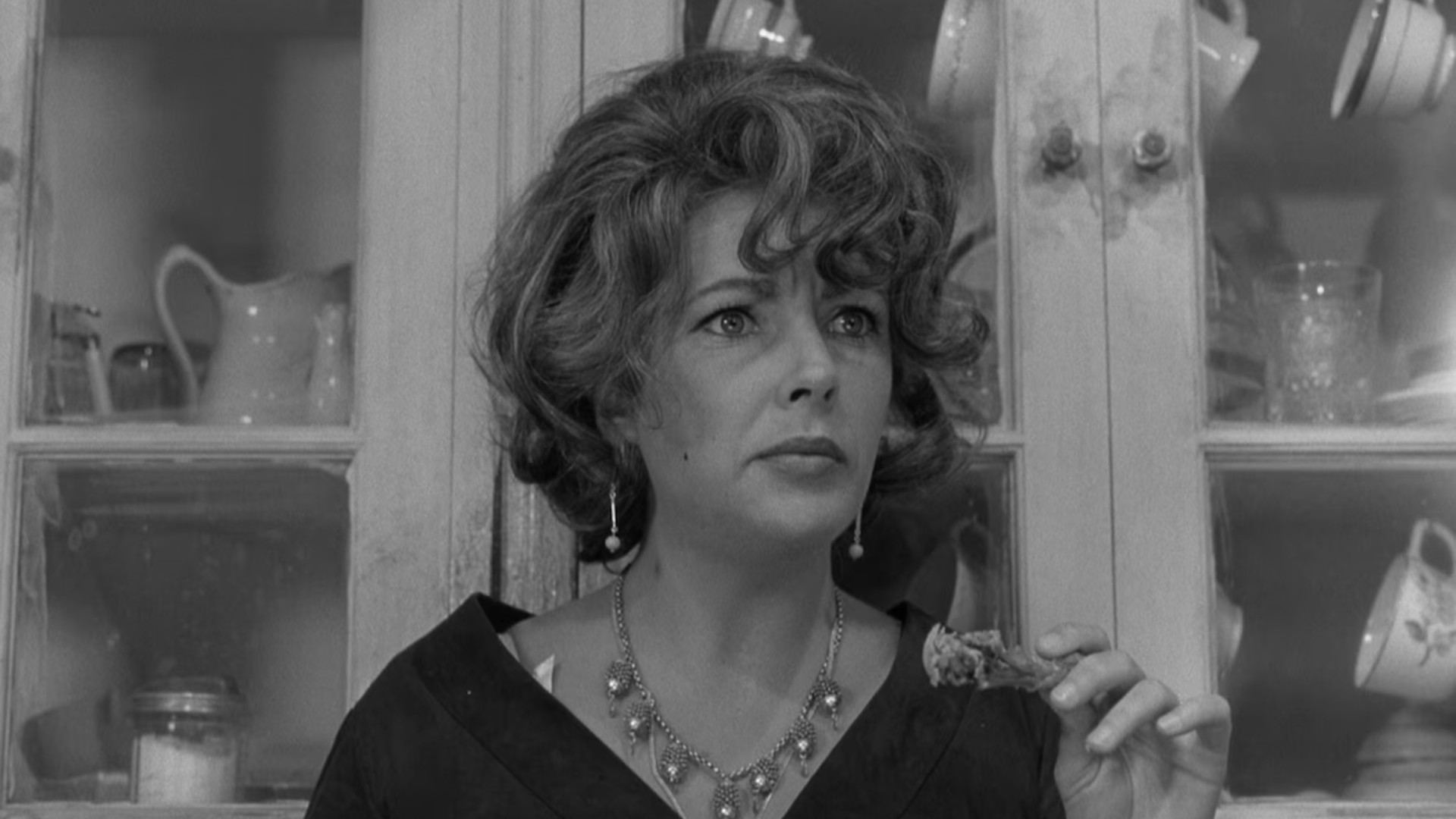
4. Elizabeth Taylor in Who’s Afraid of Virginia Woolf? (1966)
Taylor delivered one of the most emotionally raw performances of her career as Martha, a woman consumed by resentment and longing. Stripping away her glamorous image, she revealed bitterness, humor, and pain in equal measure. Her chemistry with Richard Burton intensified the film’s tension and realism. Taylor’s command of dialogue and tone showed mastery of both vulnerability and cruelty. The role earned her a second Oscar and renewed critical respect.
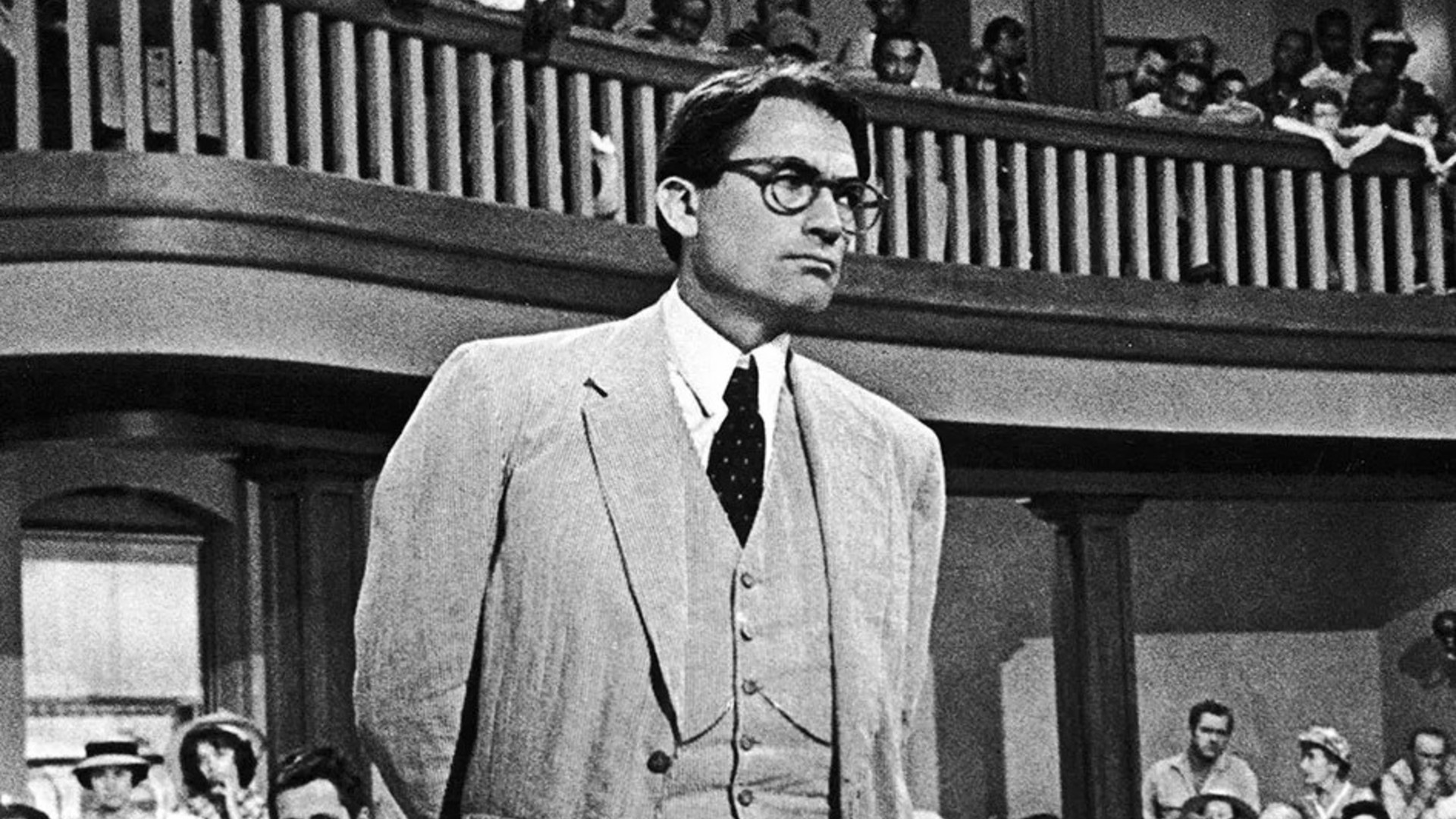
3. Gregory Peck in To Kill a Mockingbird (1962)
Peck’s portrayal of Atticus Finch remains one of cinema’s moral touchstones. His calm strength and conviction made the character both relatable and idealistic. Through quiet gestures and steady resolve, Peck embodied integrity in a time of division and change. His performance influenced generations, symbolizing justice and empathy on screen. It remains a definitive example of decency portrayed through restraint.
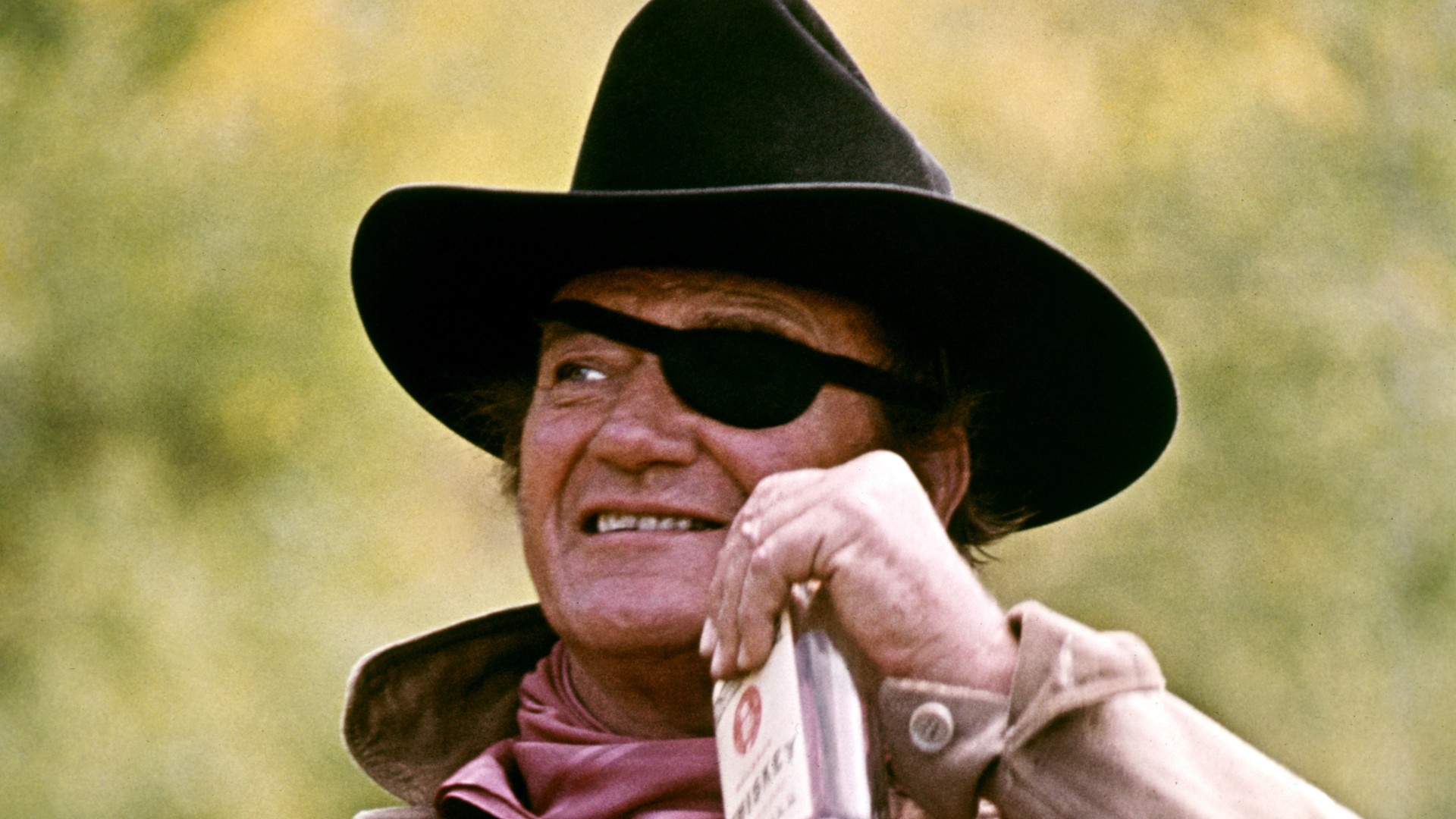
2. John Wayne in True Grit (1969)
Wayne’s role as Rooster Cogburn brought a sense of weathered humanity to the traditional Western hero. His gravelly voice and rough humor gave the aging lawman authenticity and depth. The performance blended grit with unexpected warmth, showing a vulnerable side to a lifelong tough figure. It earned Wayne his only Academy Award, cementing his legacy near the decade’s end. The film became a fitting reflection of his enduring screen persona.
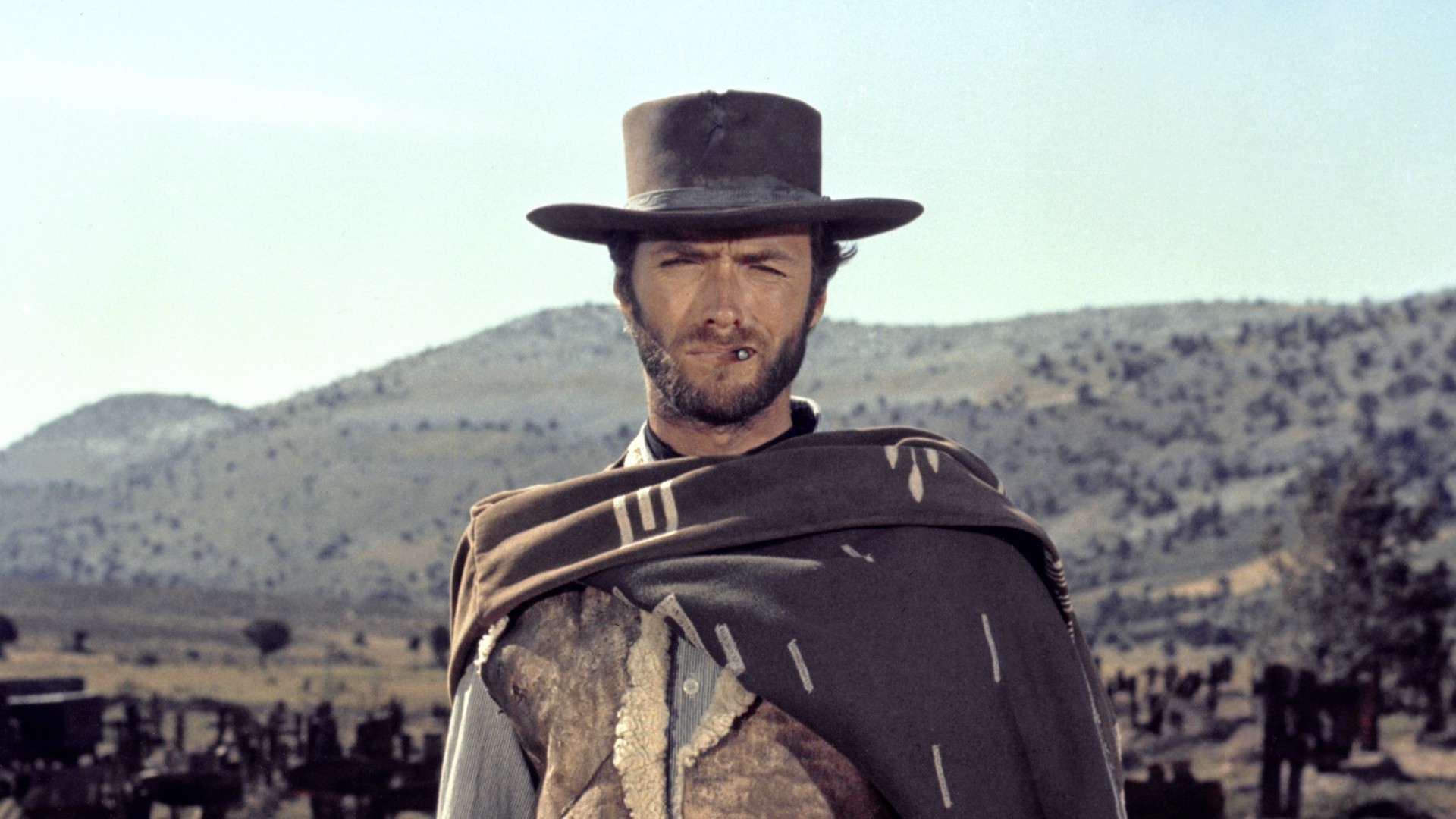
1. Clint Eastwood in the Dollars Trilogy (1964–1966)
Eastwood’s portrayal of the “Man with No Name” reshaped the Western genre, introducing a quiet, morally ambiguous antihero. His minimalist acting, marked by silence and precision, contrasted sharply with the loud heroes of earlier decades. Across the trilogy, he expressed emotion through small gestures and glances rather than words. The character’s detached strength made him a timeless figure in cinema. Eastwood’s work defined the style and tone of the Spaghetti Western.