10 Times Horror Movies Went Too Far
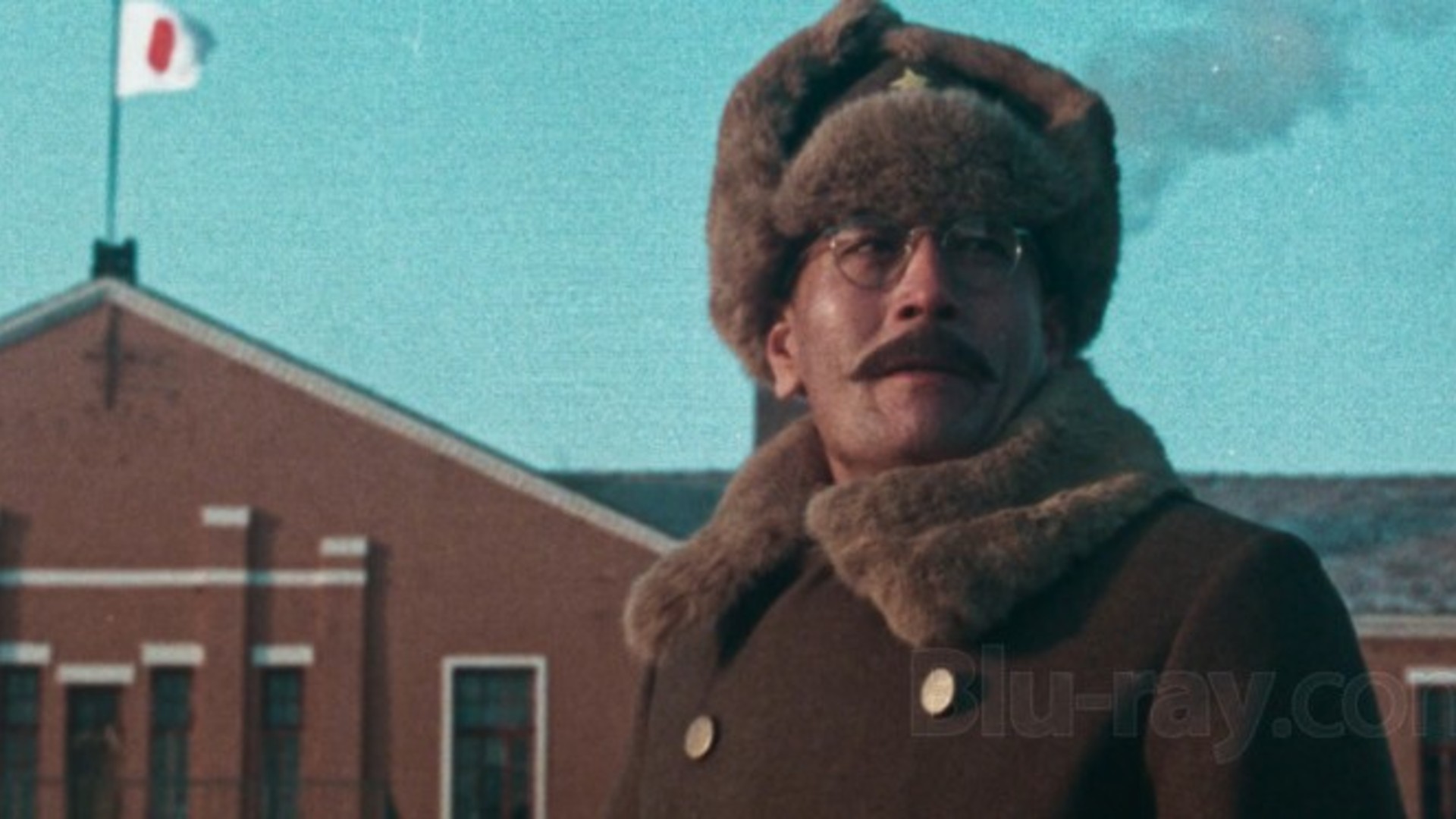
10. Men Behind the Sun (1988)
This Hong Kong production dramatizes the war crimes of Japan’s Unit 731 through graphic re-enactments of human experimentation. Its pseudo-documentary style heightened its realism and controversy. Banned in multiple countries, it remains one of the most disturbing depictions of wartime atrocity. Critics continue to debate its educational versus exploitative intent. The film stands as a grim reminder of historical cruelty presented through cinema.

9. Hostel (2005)
Eli Roth’s Hostel follows travelers who are abducted and sold to clients who pay to torture victims for pleasure. Its explicit violence popularized the “torture horror” subgenre in the 2000s. Some interpret it as commentary on privilege, and cruelty. Others view it as exploitation disguised as social critique. The film’s reputation endures as one of horror’s most polarizing modern works.
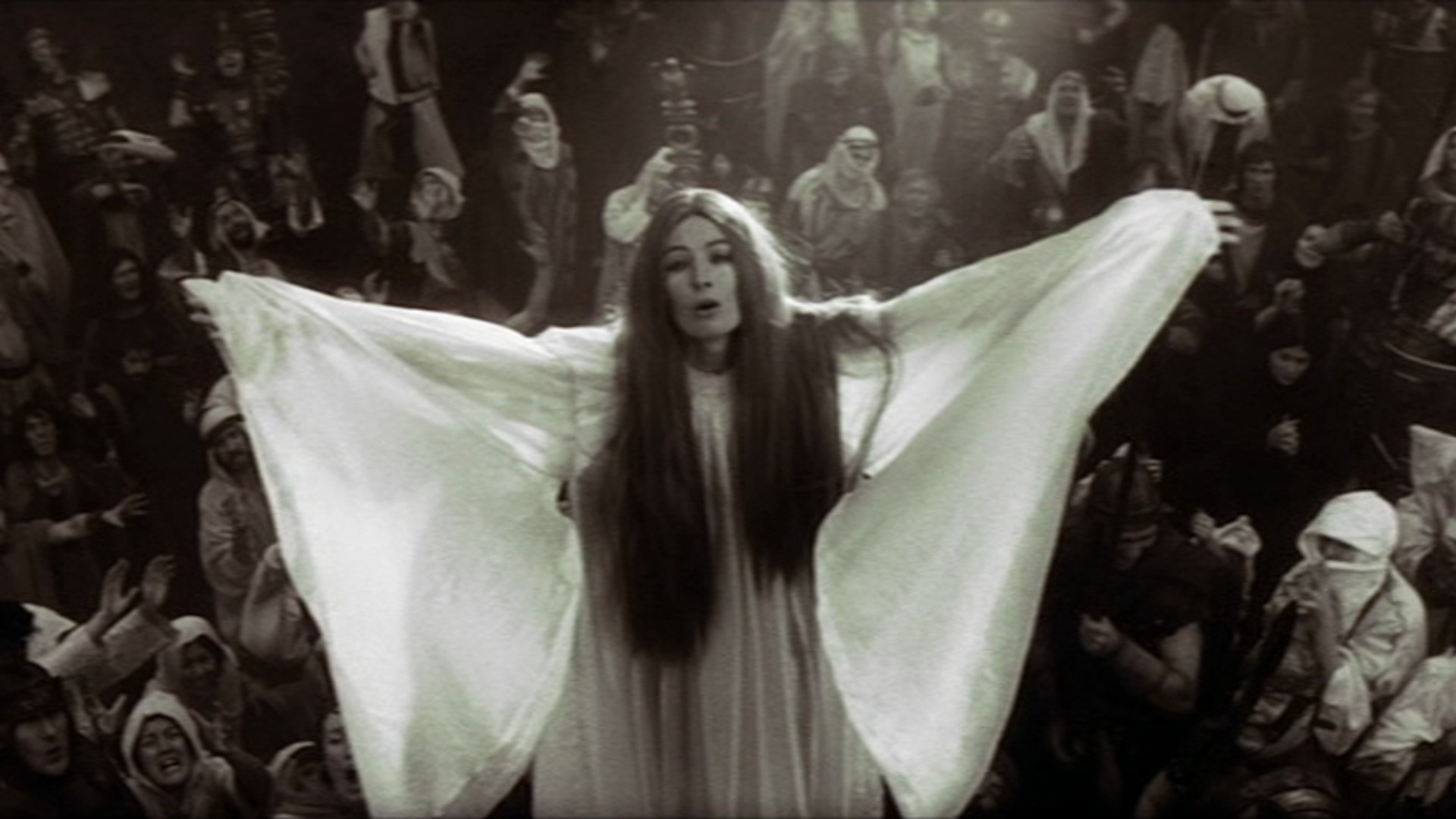
8. The Devils (1971)
Ken Russell’s historical drama explores religious hysteria and corruption in 17th-century France. Its explicit depictions of SA and blasphemy provoked censorship that lasted decades. Many versions remain incomplete due to persistent controversy. The film examines the intersection of faith, power, and political manipulation. Today it is recognized as a bold, unsettling critique of institutional control.

7. Audition (1999)
Takashi Miike’s psychological horror begins as a quiet romantic drama before shifting into disturbing violence. A widower’s search for love leads him into the hands of a deeply unstable woman. Its infamous torture sequence shocked international audiences and critics. The film’s gradual tonal shift creates lasting unease and emotional discomfort. Audition endures as one of the most psychologically intense Japanese horror films.

6. I Spit on Your Grave (1978)
The film tells the story of a woman who takes brutal revenge on her attackers after surviving a horrific assault. Its unflinching portrayal of SA violence led to censorship and bans across many regions. Some interpret it as an expression of empowerment, while others see it as exploitation. The film remains a divisive subject in feminist and film discourse. It continues to influence debates about revenge, trauma, and justice in cinema.
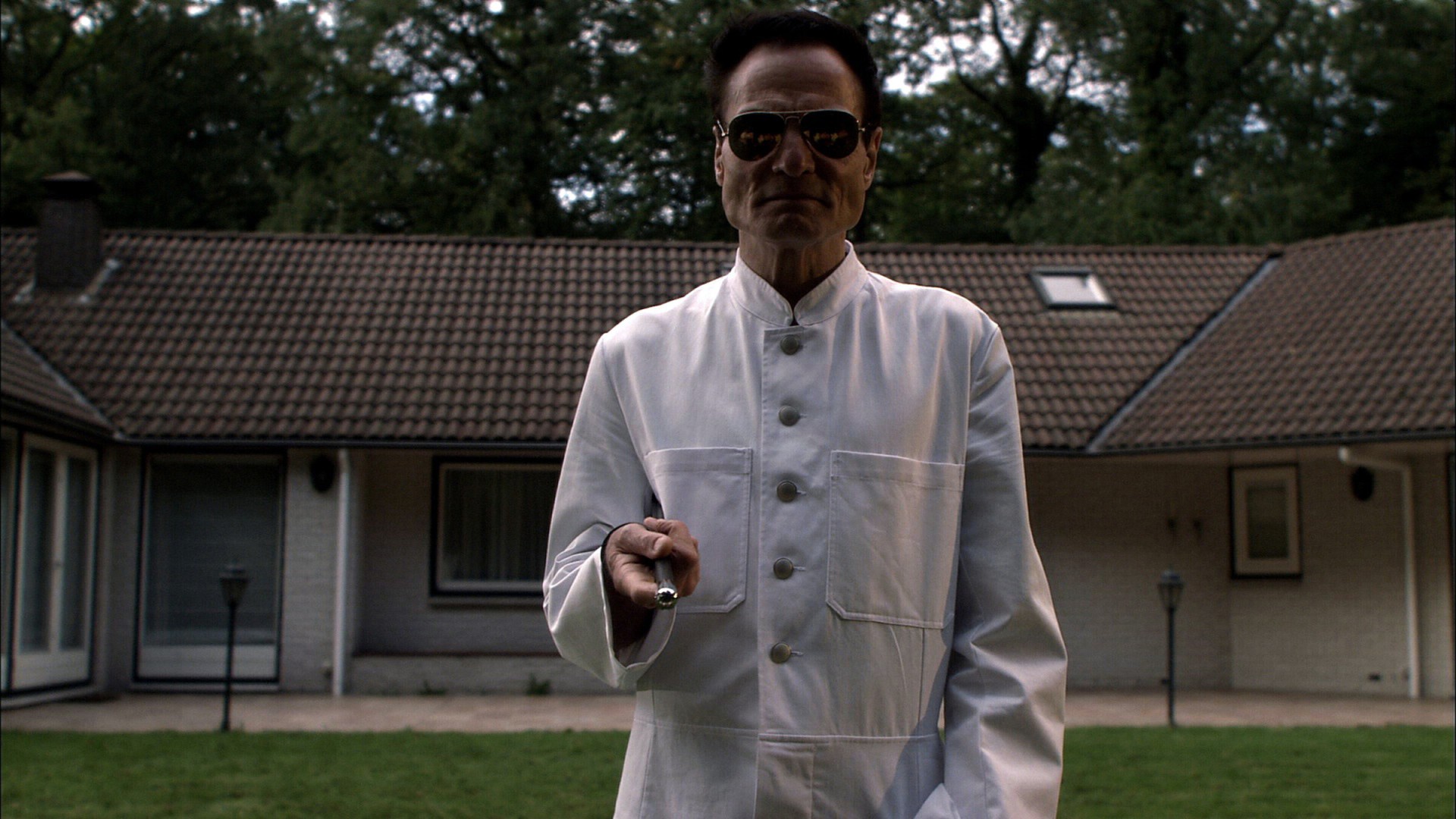
5. The Human Centipede (2009)
Tom Six’s film centers on a surgeon who kidnaps three people and surgically connects them in a grotesque experiment. Its disturbing concept overshadowed its relatively restrained visuals, sparking global outrage. Banned in several countries, it became a talking point for extreme cinema. Critics debated whether it was satire or mere shock value. Its sequels pushed boundaries further, solidifying its place in horror infamy.

4. Martyrs (2008)
Part of the New French Extremity movement, the film explores suffering, trauma, and transcendence through two women caught in a secret cult. Its relentless depiction of violence divided critics between admiration and condemnation. The story’s bleak tone questions the meaning of pain and human endurance. It has since gained recognition for its thematic depth and psychological complexity. Martyrs stands as one of Europe’s most challenging horror films.
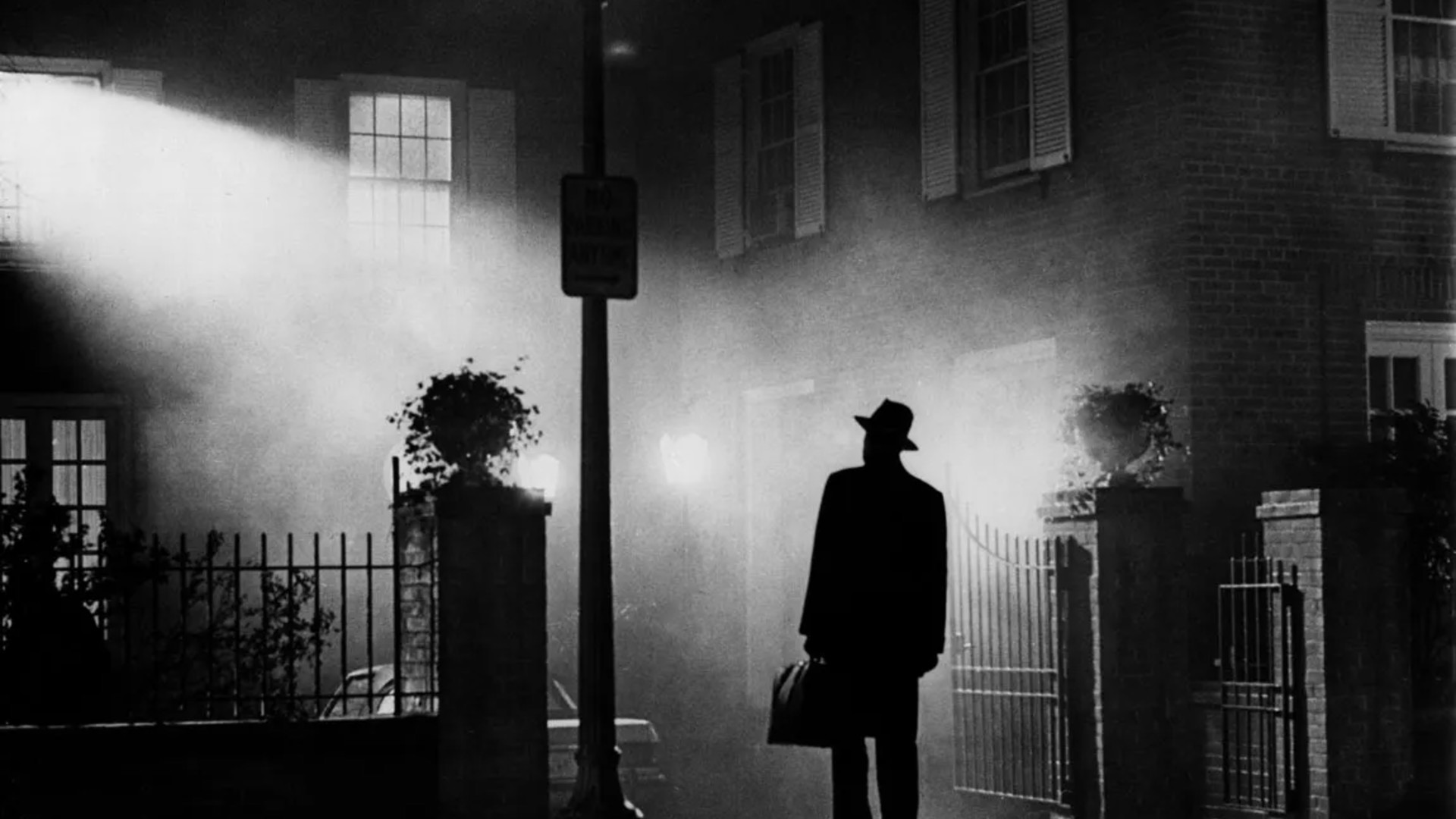
3. The Exorcist (1973)
William Friedkin’s adaptation of William Peter Blatty’s novel follows a child possessed by a demon and the priests who try to save her. Its realistic depictions of faith, profanity, and physical torment shocked global audiences. Reports of fainting and illness during screenings led to temporary bans in some regions. Despite its controversy, it received major awards and critical acclaim. The film remains a cornerstone of modern horror and cultural history.
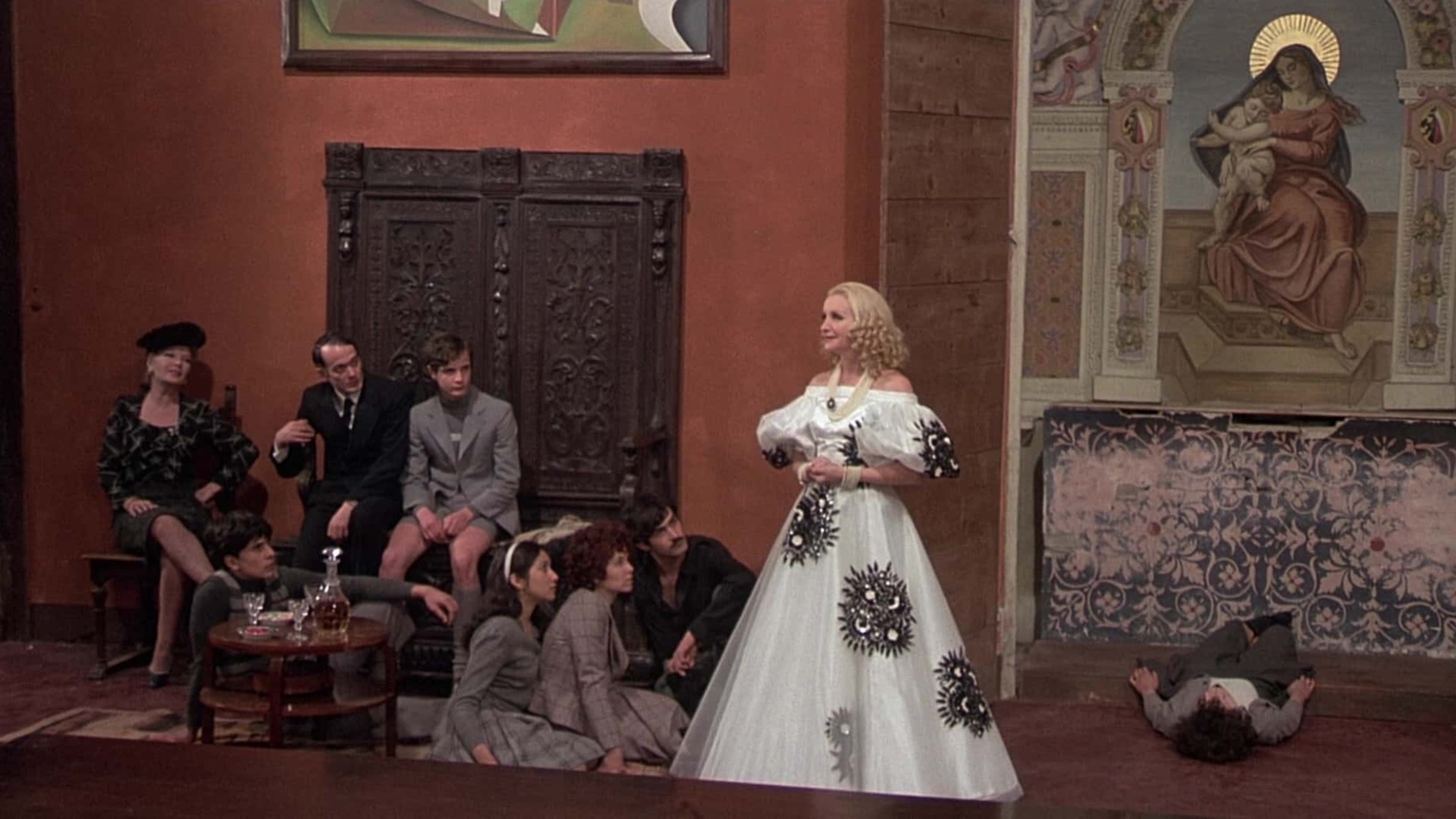
2. Salò, or the 120 Days of Sodom (1975)
Pier Paolo Pasolini adapts de Sade’s work into an allegory of power, depicting four elites who torture and humiliate young captives. Its explicit imagery and depictions of abuse caused immediate bans across multiple nations. Despite its brutality, scholars often regard it as a commentary on control and dehumanization. The film remains one of the most studied examples of political cinema. Its reputation endures as both artistic statement and moral provocation.
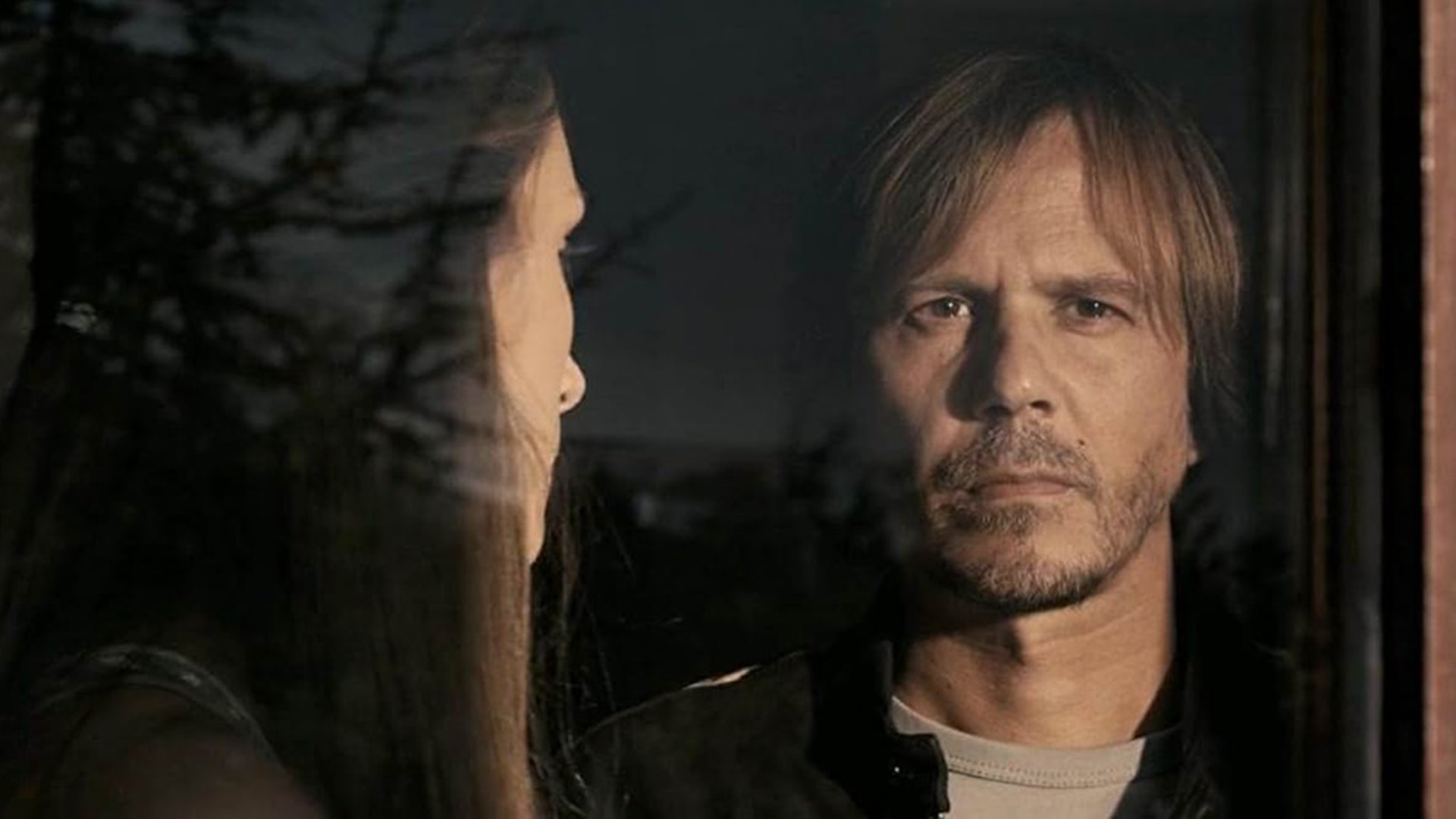
1. A Serbian Film (2010)
A retired adult actor is drawn into a sinister production that exposes him to extreme violence and exploitation. Its graphic depictions of SA and psychological torment led to widespread censorship and bans. Critics remain divided on whether it serves as political satire or pure provocation. The film’s notoriety endures as a symbol of artistic excess and moral transgression. It continues to provoke debate about censorship and the limits of creative expression.