10 Dragon Ball Z Characters Who Were Misunderstood
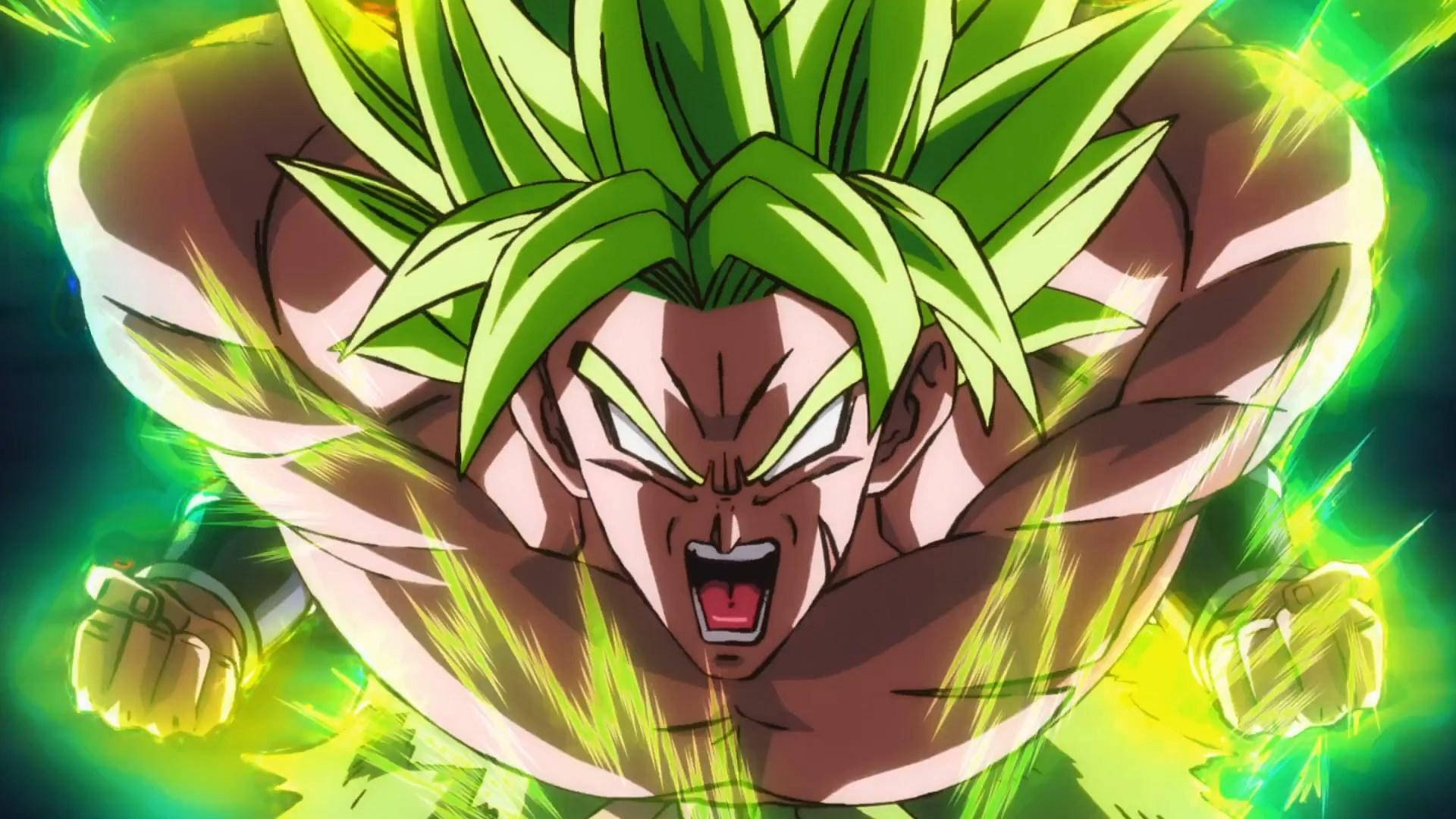
10. Broly (DBZ Movie Version)
The original Broly’s rage isn’t just because of Goku’s crying. His Saiyan instincts reacted to Goku’s immense latent power even as an infant. This awakening caused uncontrollable rage and instability. Paragus exploited this trauma for revenge against King Vegeta. Broly’s fury is rooted in pain, not simple hatred.
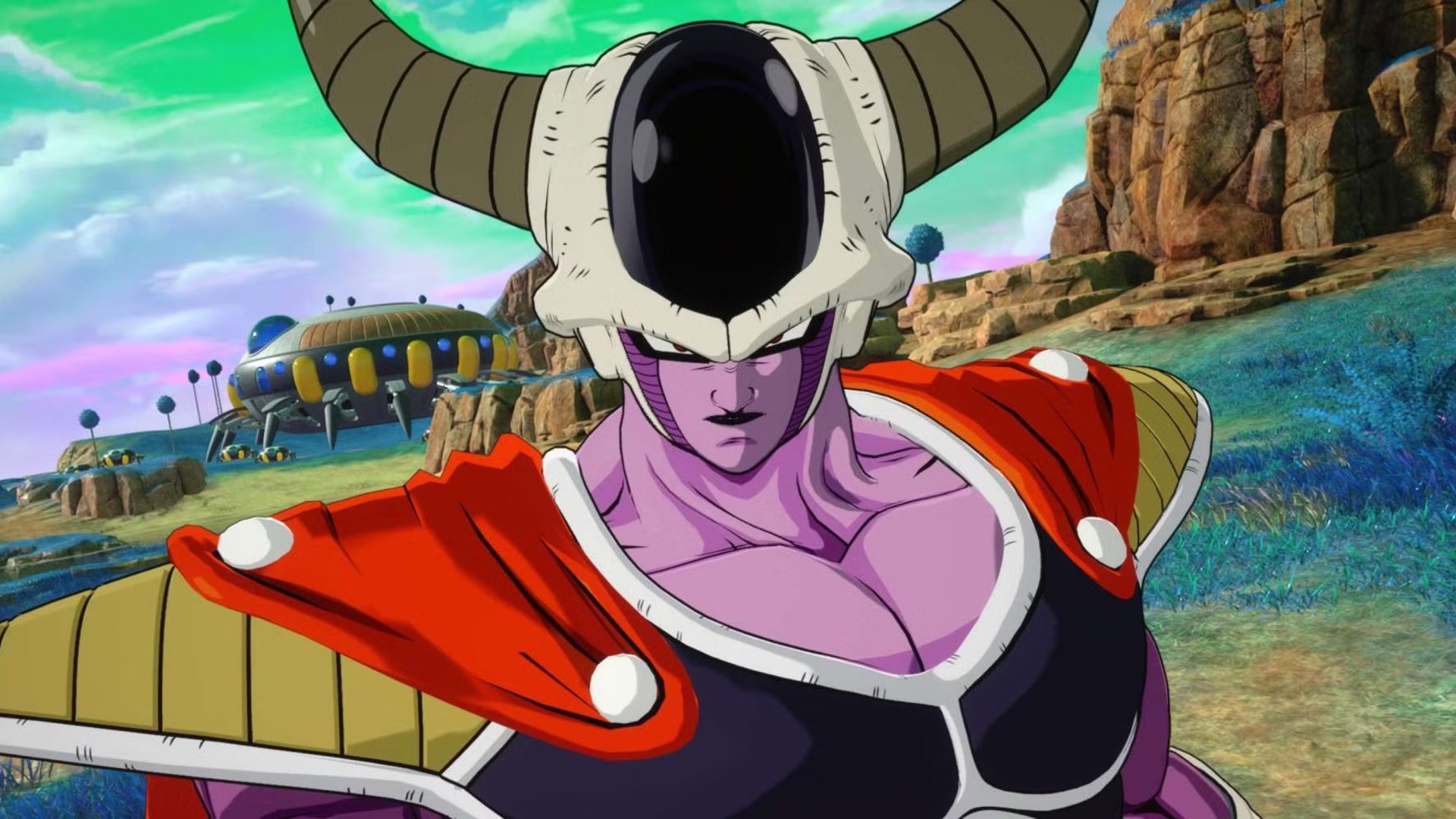
9. King Cold
Often assumed to be as cruel as his son Frieza, King Cold is more pragmatic. He values survival and his family’s legacy over domination. He warns Frieza against provoking stronger beings, such as Beerus or Buu. His motivations are rooted in preservation, not destruction. He’s a strategist, not a cruel person.
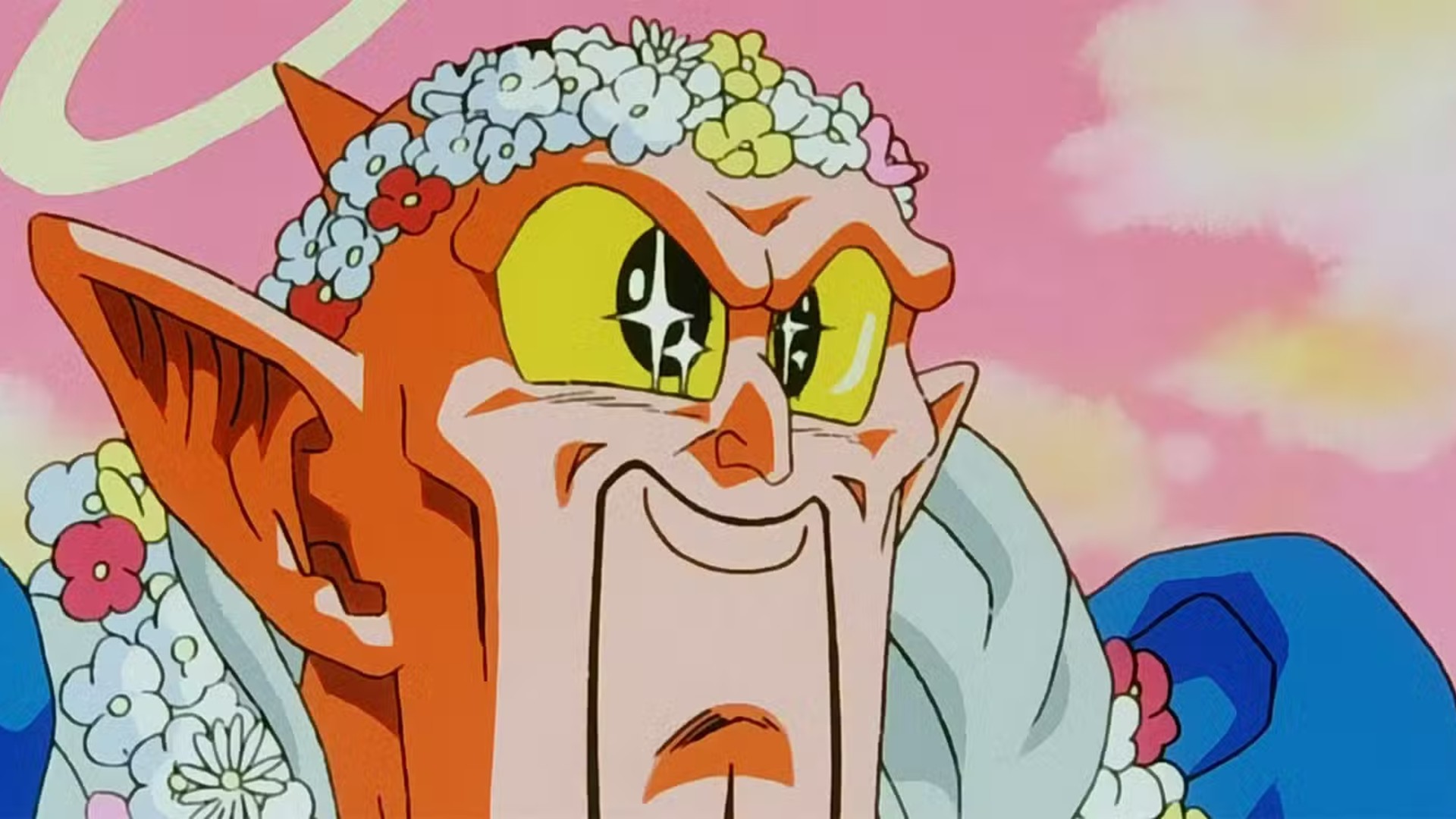
8. Dabura
Seen as Babidi’s evil enforcer, Dabura was actually controlled by dark magic. In death, he’s sent to Heaven and reforms, showing that he wasn’t inherently evil. His loyalty to Babidi was forced rather than chosen. His redemption hints at complexity within the Realm of Demons. Dabura is proof that evil can be conditioned, rather than innate.
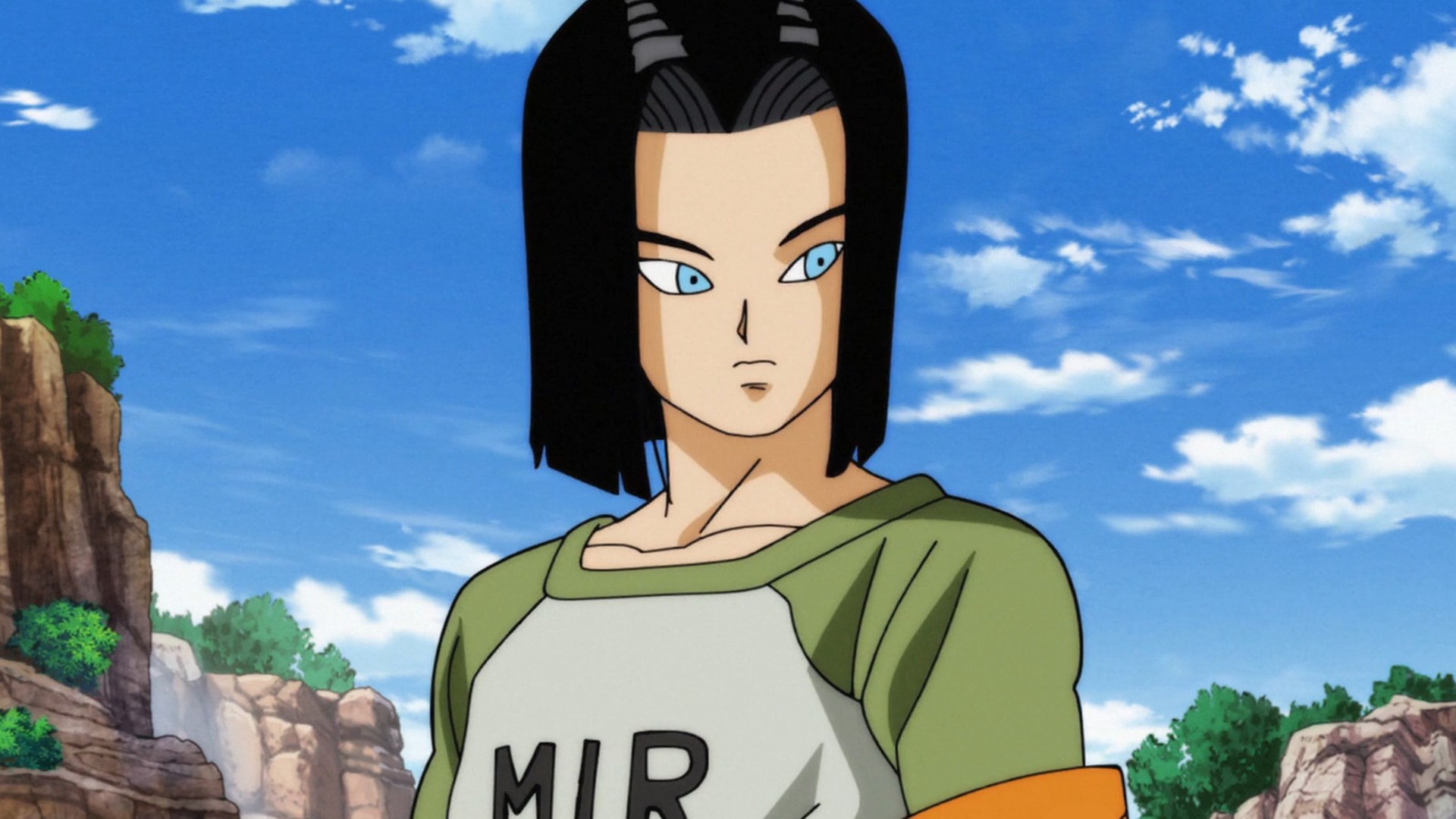
7. Android 17
Initially a cold killer, 17’s humanity resurfaces after the Cell Games. He retreats to live quietly as a park ranger and family man. His reappearance in Dragon Ball Super shows his moral evolution. He fights for nature and peace rather than destruction. His journey from villain to savior is one of redemption’s finest examples.
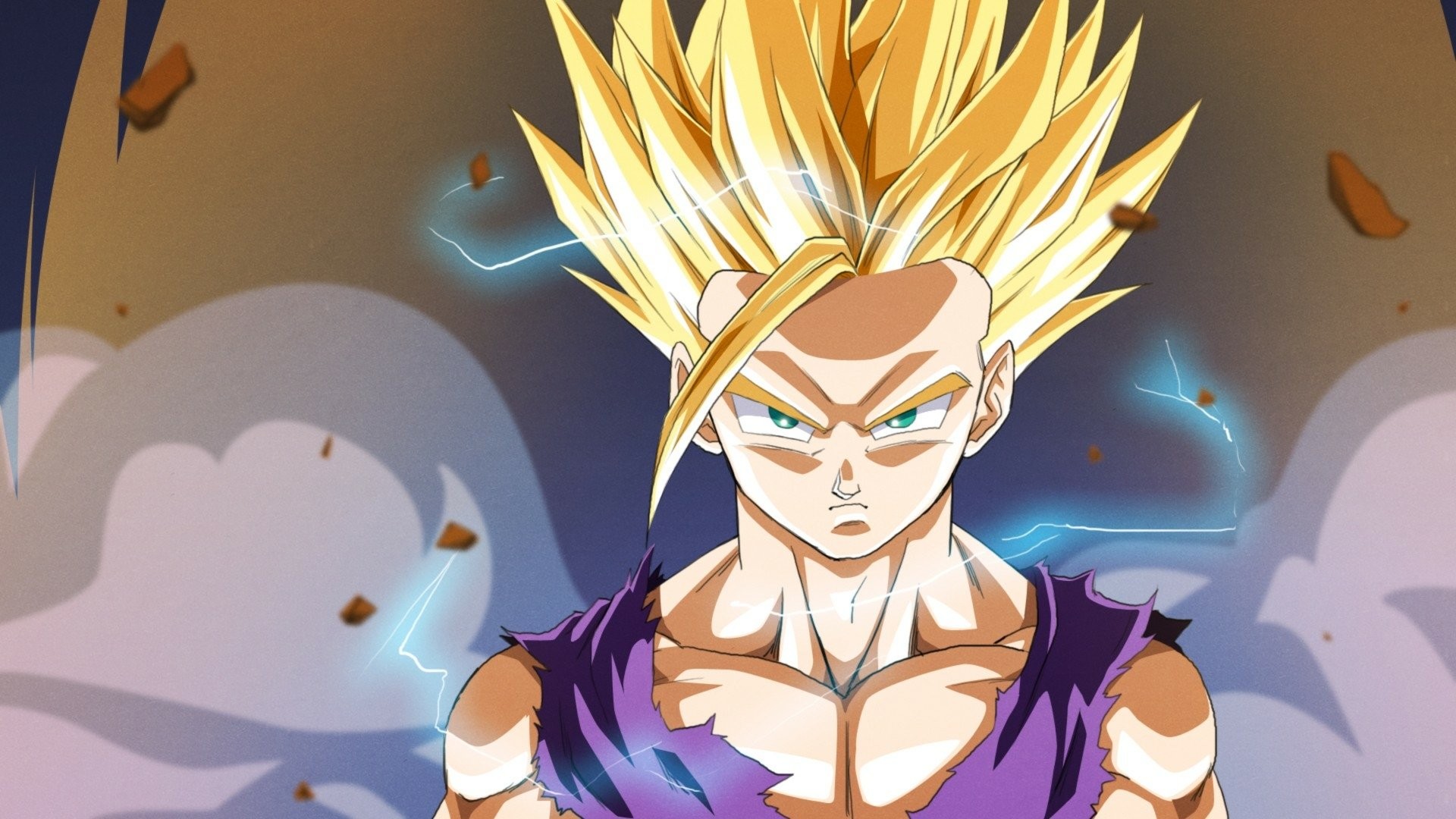
6. Gohan
Gohan isn’t a pacifist; he simply dislikes unnecessary violence. He values peace and learning but fights fiercely when his loved ones are threatened. His potential often exceeds even Goku’s, though he prefers balance over glory. His calm nature makes him a unique kind of hero. His strength lies in restraint, not aggression.
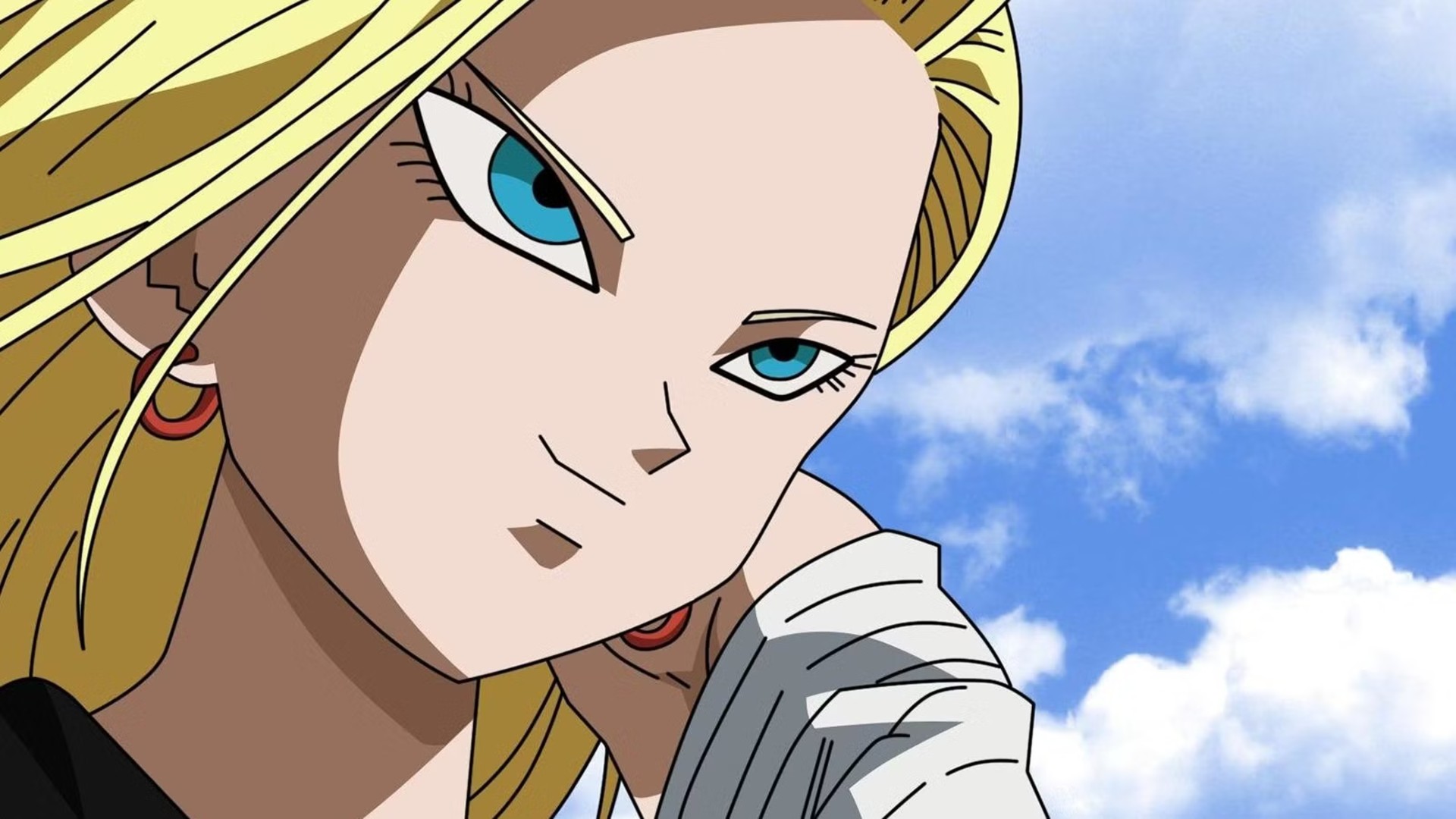
5. Android 18
Many believe she was turned human by Krillin, but she was actually a modified human (cyborg) from the start. This explains how she could have a child naturally. After the Cell Saga, she builds a quiet family life while keeping her edge. Her loyalty and independence define her post-Cell identity. She’s more human than many pure-blooded heroes.
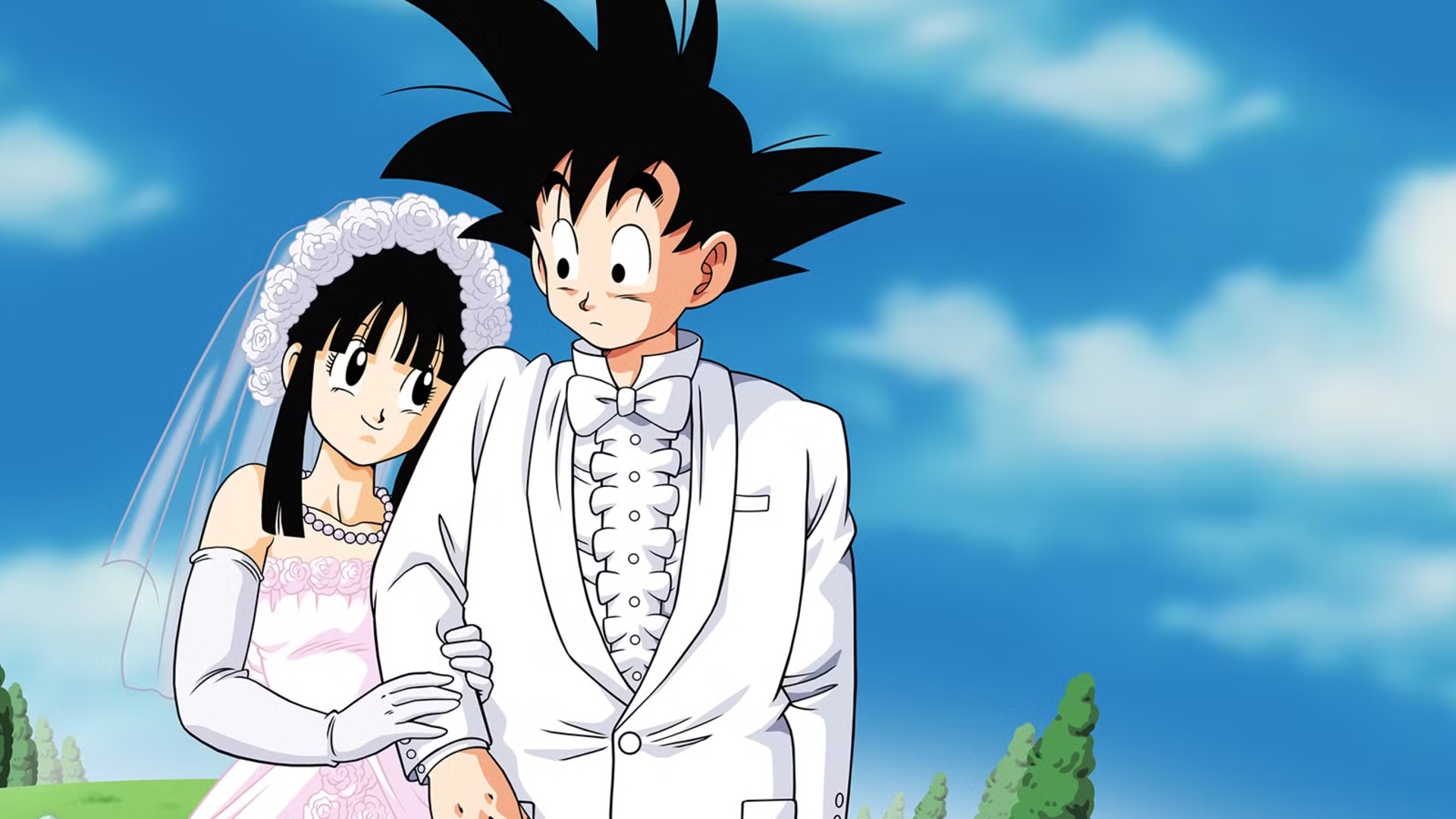
4. Chi-Chi
Criticized as overbearing, Chi-Chi’s actions come from love and trauma. Having endured constant danger, she wants her sons to live safely through education, not fighting. She raised Gohan and Goten essentially alone due to Goku’s absence. Her strictness is rooted in a desire for survival and care. She represents grounded realism in a world of gods.
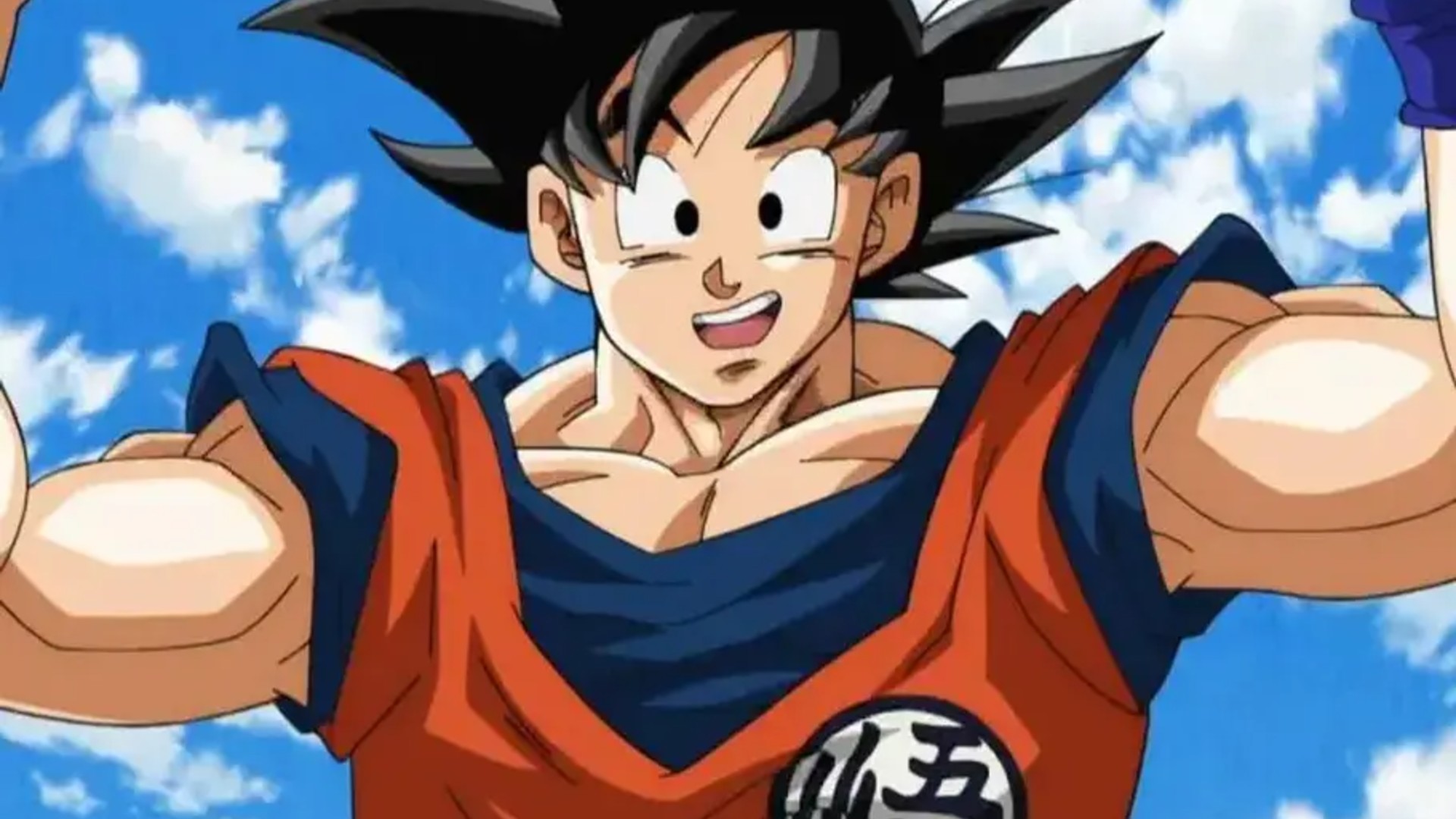
3. Goku
Fans often misunderstand Goku as a reckless fighter or an inattentive father. His motivation to train is rooted in protecting his loved ones and ensuring the safety of the Earth. The “selfish fighter” image primarily comes from translation and dub differences. His carefree attitude hides a deep sense of responsibility. Goku fights for peace, not ego.
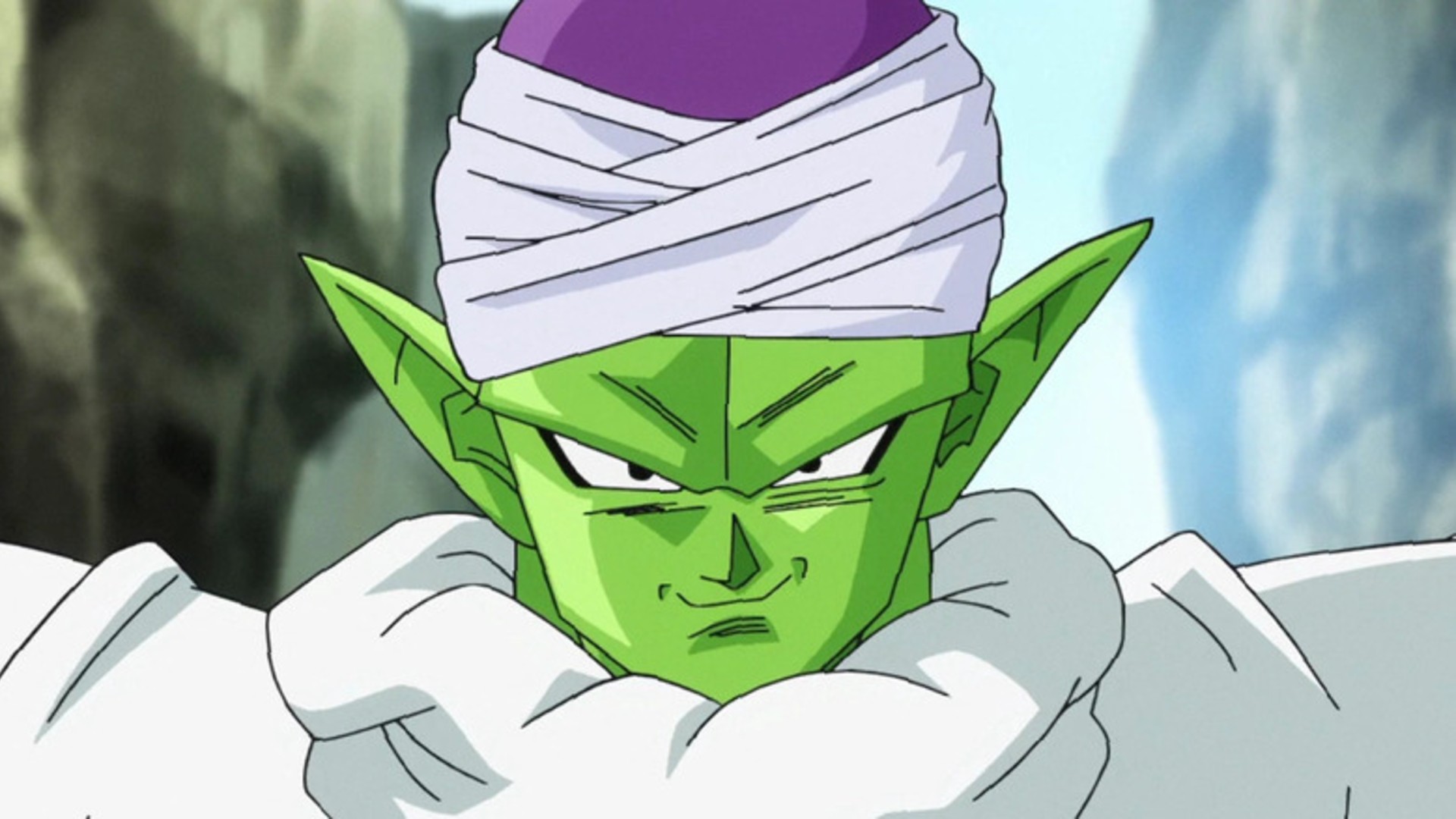
2. Piccolo
Introduced initially as Goku’s vengeful enemy, Piccolo transforms after training Gohan. His evil nature stems from King Piccolo’s legacy rather than actual malice. His bond with Gohan redefines him as a protector and mentor. Over time, he becomes one of Earth’s most dependable defenders.
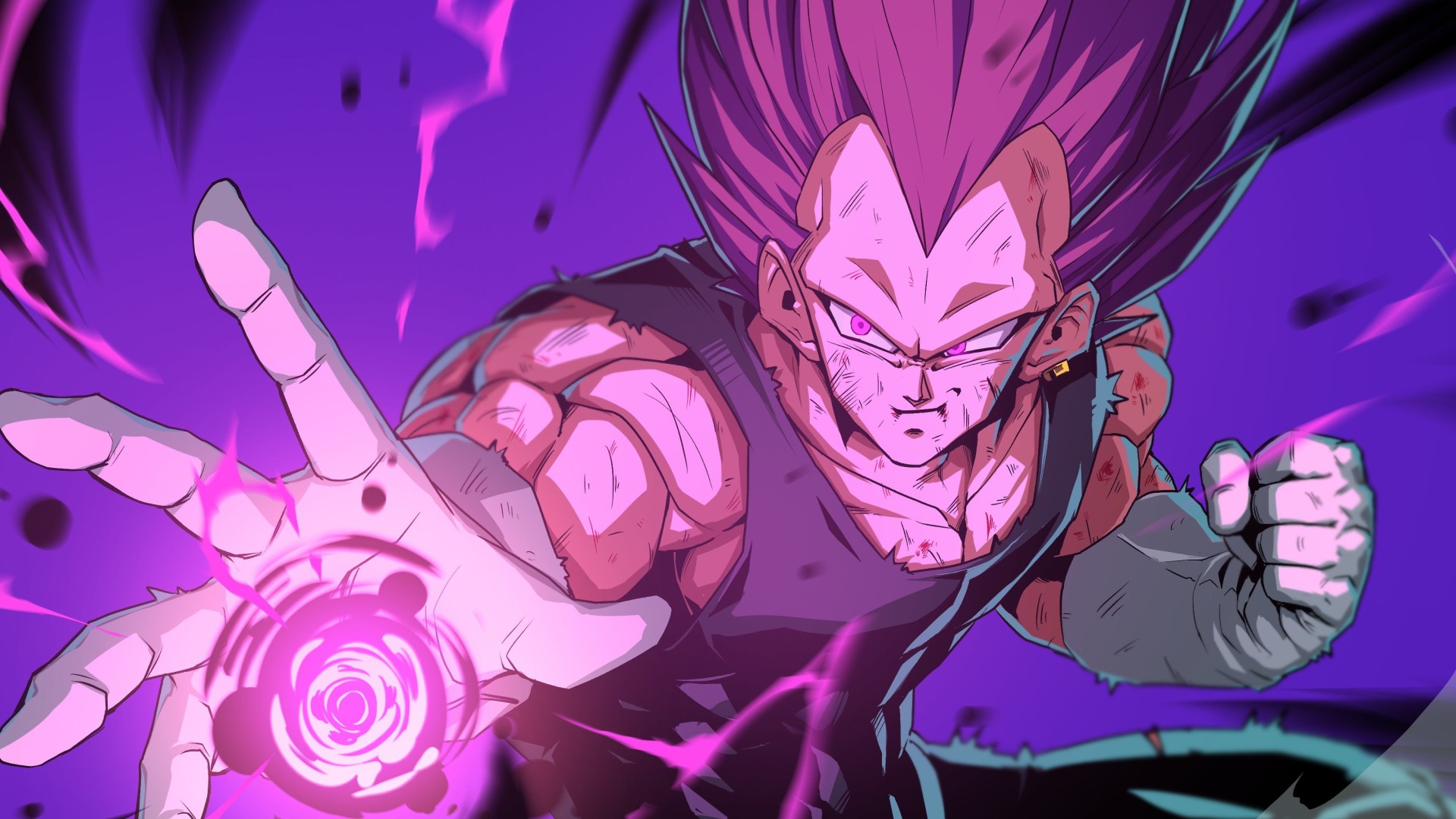
1. Vegeta
Often labeled as a power-hungry villain, Vegeta’s story is one of redemption and evolution. His pride initially drives him, but over time, it shifts toward protecting his family and the Earth. He struggles internally between his Saiyan instincts and human empathy. His journey from conqueror to hero is among anime’s strongest character arcs.