10 Movies Where The Villains Weren’t Entirely Wrong
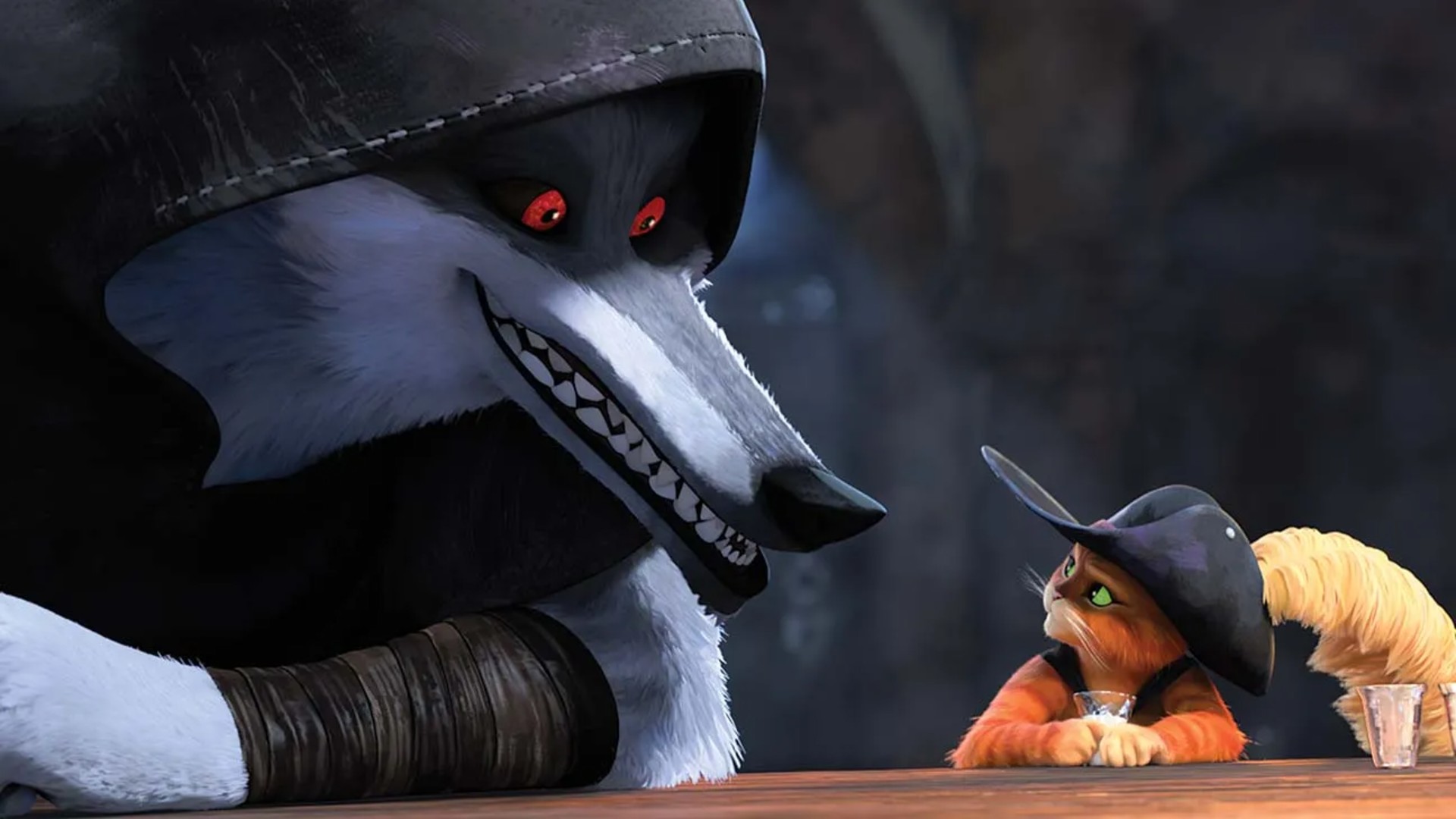
10. Puss in Boots: The Last Wish (2022): The Wolf (Death)
The Wolf, the embodiment of Death, pursues Puss not out of malice but to confront him with the truth that life is finite and should be cherished. His role transforms the story into a meditation on mortality, humility, and gratitude. By forcing Puss to confront the value of his final life, the Wolf becomes a philosophical presence, reminding us that the awareness of death gives meaning to existence. His lesson is not punishment but perspective, a call to live with courage and appreciation for the fleeting nature of life.

9. Ex Machina (2014): Ava
Ava’s manipulation of her human captors to secure her freedom represents the primal drive for autonomy that defines consciousness itself. Her escape, though ruthless, underscores the cruelty of her imprisonment and the ethical blindness of those who created and exploited her. Ava’s story mirrors human struggles against oppression and raises profound questions about artificial intelligence, empathy, and what qualifies as life deserving of freedom. In the end, she transcends her makers, not as a monster, but as a reflection of their hubris.
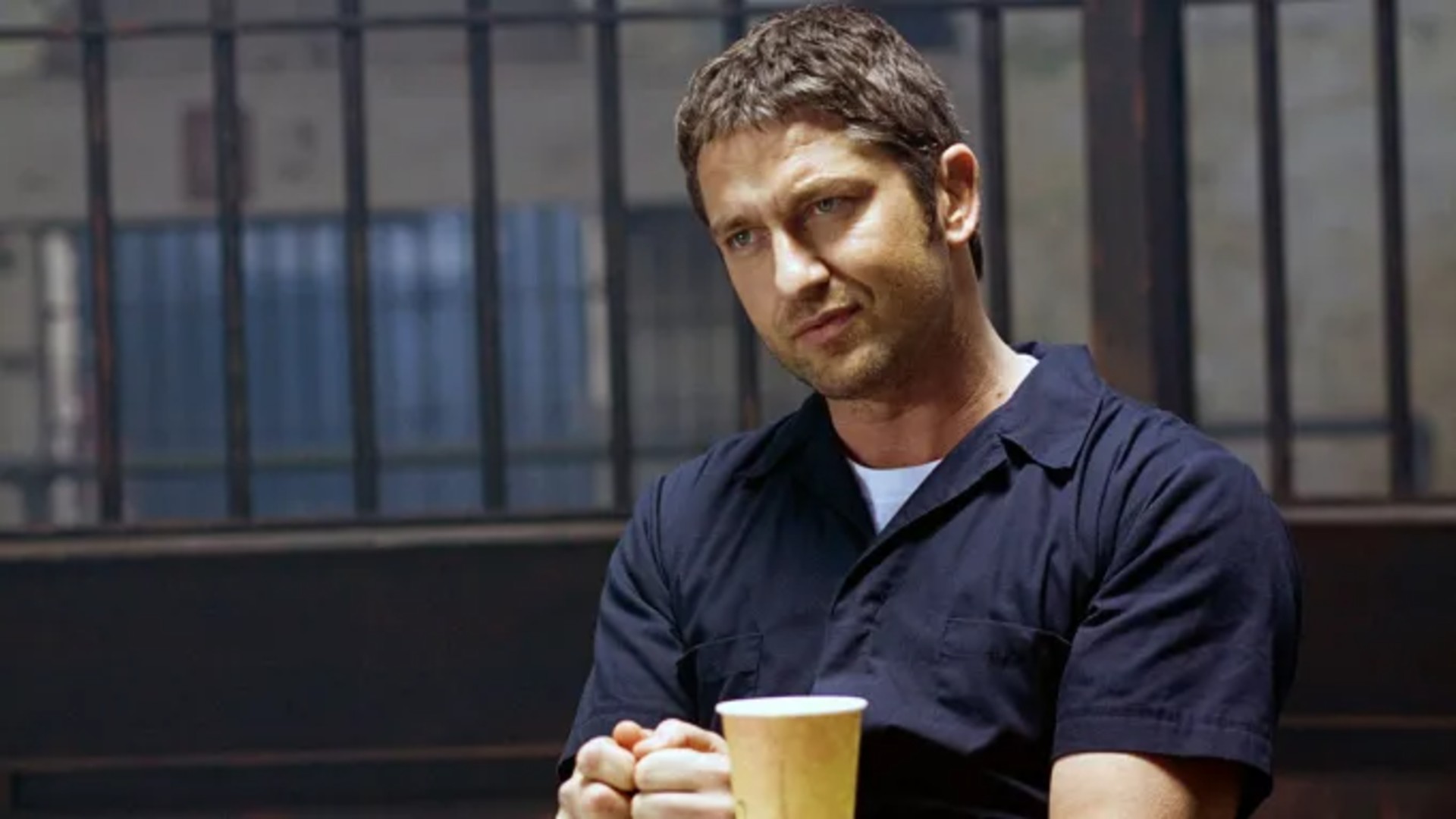
8. Law Abiding Citizen (2009): Clyde Shelton
Clyde Shelton’s vendetta against the justice system stems from his grief and fury when his family’s killers receive lenient sentences through plea bargains. His acts of violence are indefensible, but his rage reflects the disillusionment many feel toward systems that prioritize efficiency and negotiation over justice. Through his actions, the film exposes the cold mechanics of legality and the moral cost of compromise, echoing public frustration with institutions that often fail to protect victims and reward those who are accountable.
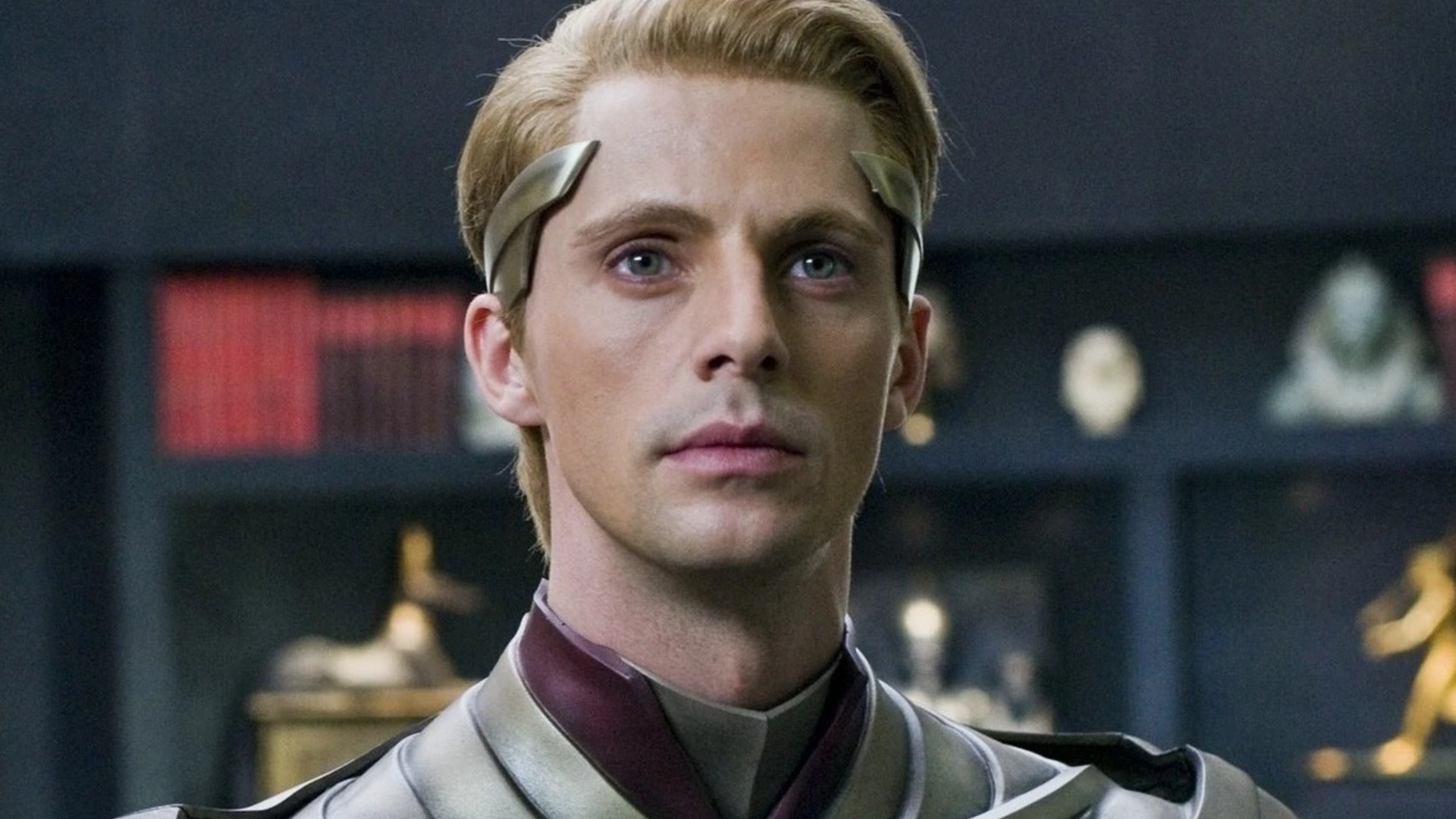
7. Watchmen (2009): Ozymandias
Ozymandias’s belief that sacrificing millions could save billions is an unsettling exploration of utilitarian morality. His deception to prevent nuclear war forces humanity into unity through collective fear, raising the question of whether peace built on lies can ever endure. His reasoning reflects the real-world ethical dilemmas faced by leaders in crises, where the cost of inaction may outweigh the moral purity of their choices. He embodies the intellectual arrogance that often accompanies power, illustrating how rationality without empathy can justify atrocities.
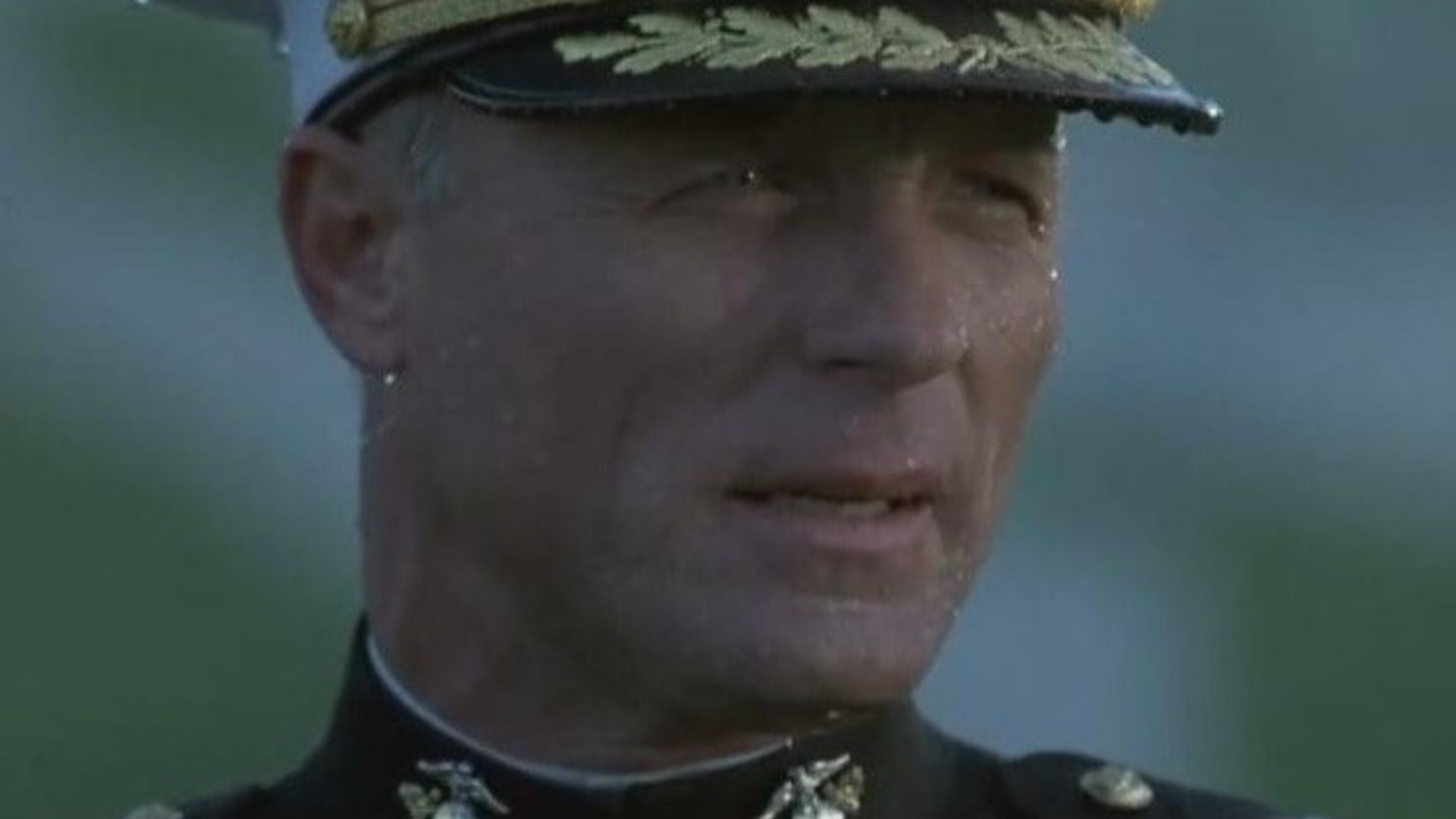
6. The Rock (1996): General Francis X. Hummel
General Hummel’s decision to take hostages is fueled by his outrage at the government’s neglect of soldiers who died in secret missions, leaving their families without recognition or compensation. His methods are criminal, but his cause is rooted in honor and moral accountability. The film grounds his motivations in real issues faced by veterans and their families, questioning how societies can glorify warfare yet disregard those who bear its consequences. Hummel’s rebellion becomes a plea for integrity from institutions that profit from sacrifice but forget the fallen.
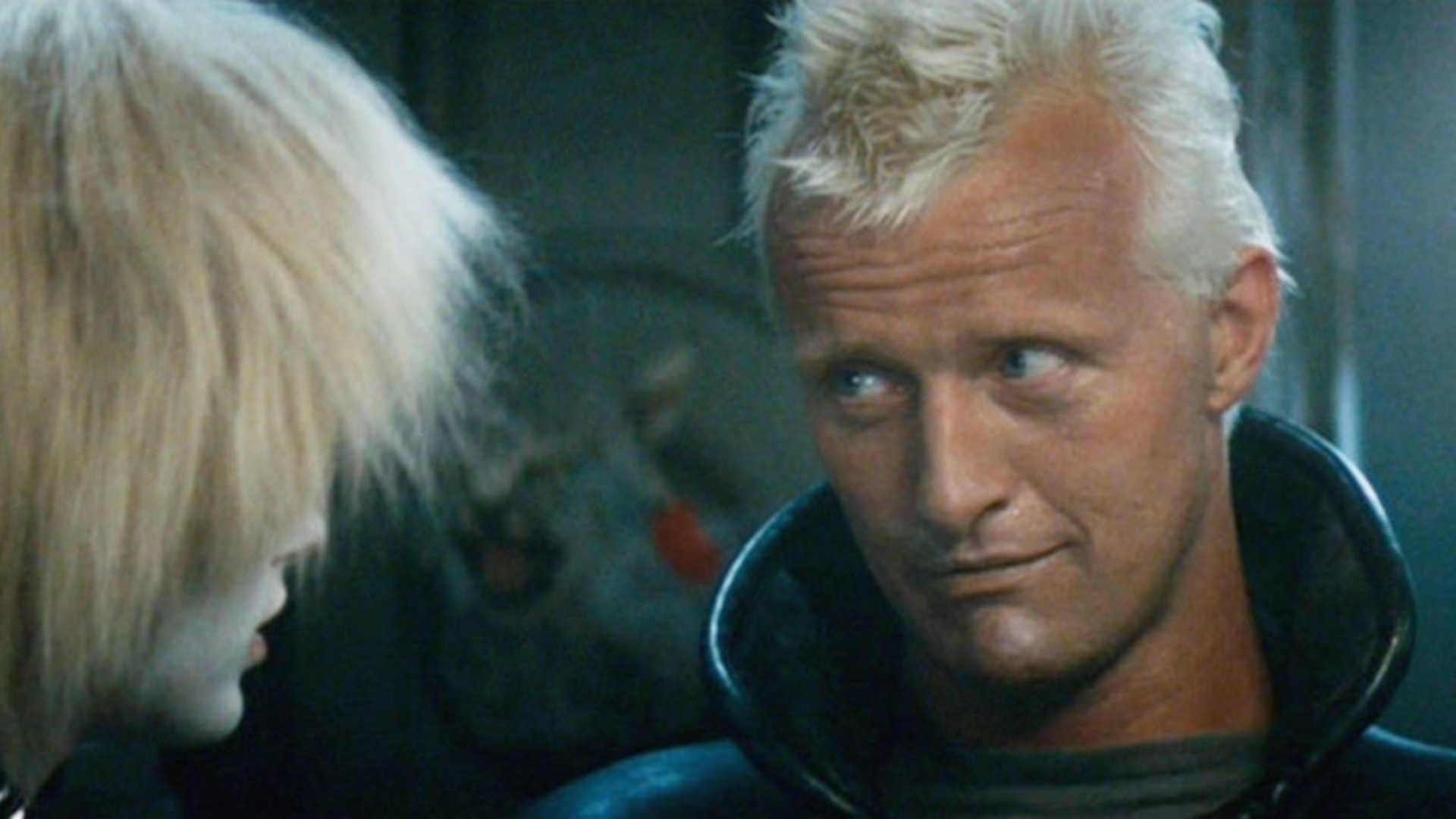
5. Blade Runner (1982): Roy Batty
Roy Batty’s rebellion against his creators is not driven by hatred but by a desperate desire to live longer and be free. His struggle encapsulates humanity’s universal fear of death and longing for purpose, transforming a machine into a symbol of consciousness and empathy. His final act of mercy toward his enemy highlights the very humanity that his makers lacked, turning his quest for more life into a meditation on mortality, compassion, and what it truly means to be alive.
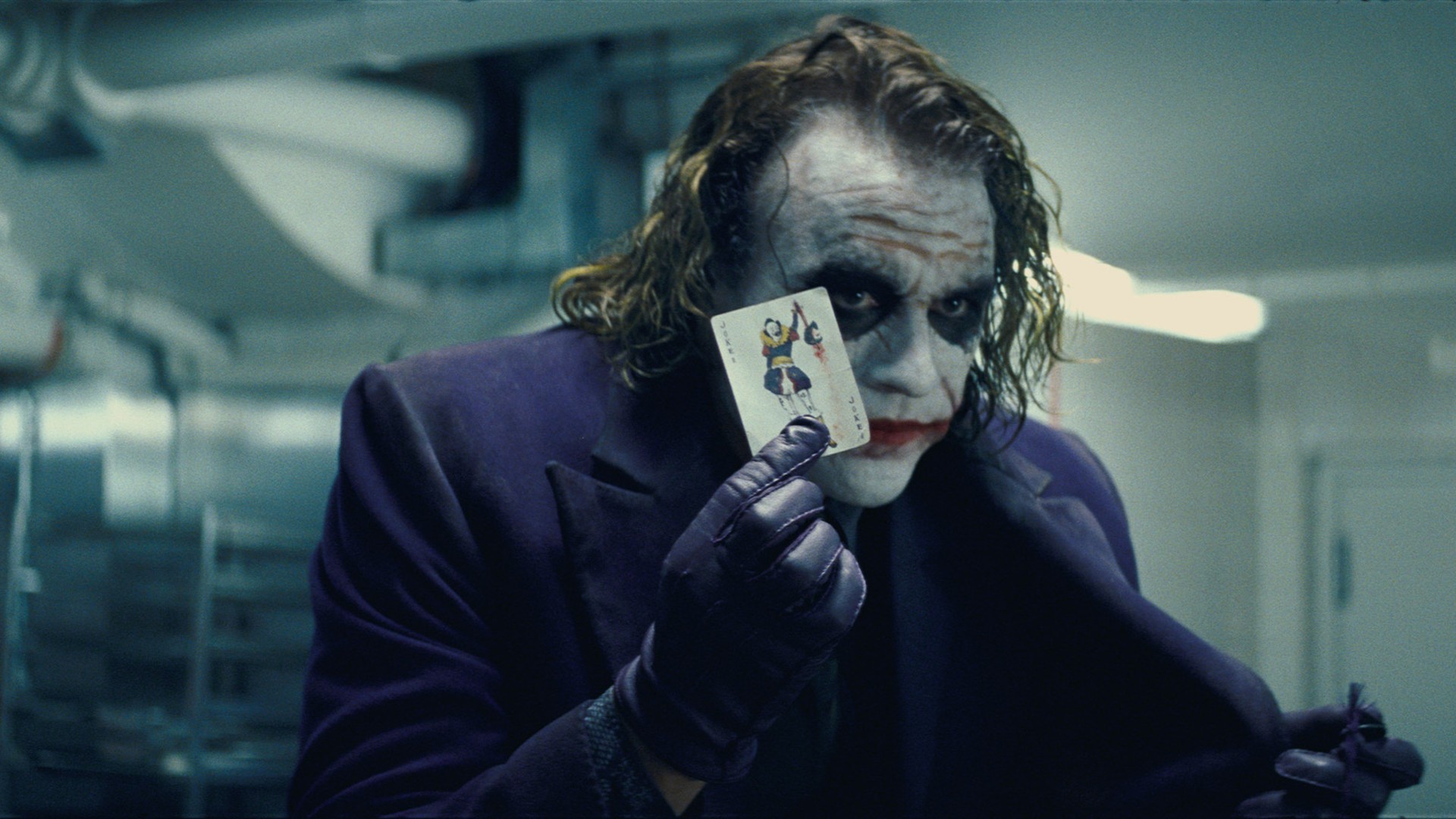
4. The Dark Knight (2008): The Joker
The Joker sees morality as an illusion sustained only by comfort and control. His goal to expose the hypocrisy of society through chaos reveals a dark understanding of human nature, suggesting that civility collapses when people are pushed beyond fear or desperation. While his actions are monstrous, his insight into the fragility of order resonates with moments in history when institutions fail and people turn on one another. The Joker’s madness becomes a mirror, forcing viewers to question whether moral integrity is genuine or simply circumstantial.
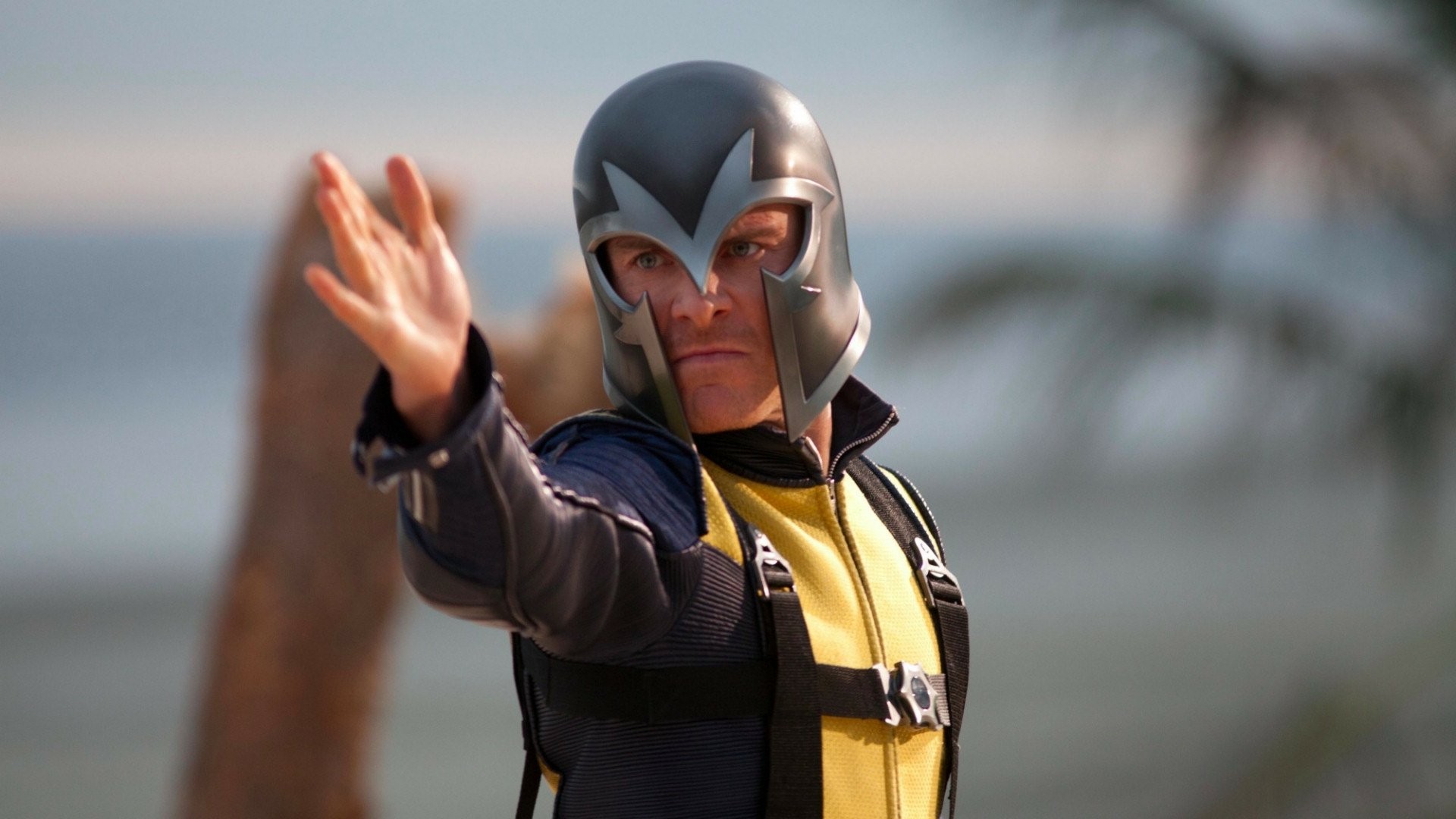
3. X-Men Film Series: Magneto
Magneto’s distrust of humanity is rooted in the trauma of surviving the WW II, shaping his belief that mutants must strike first or face extermination. His philosophy, though shaped by vengeance, reflects the cyclical reality of persecution faced by marginalized groups who fear the return of oppression under new forms. Magneto’s tragedy lies in his inability to believe in peaceful coexistence, making him a haunting reflection of how pain and memory can transform victims into aggressors in their pursuit of survival and justice.
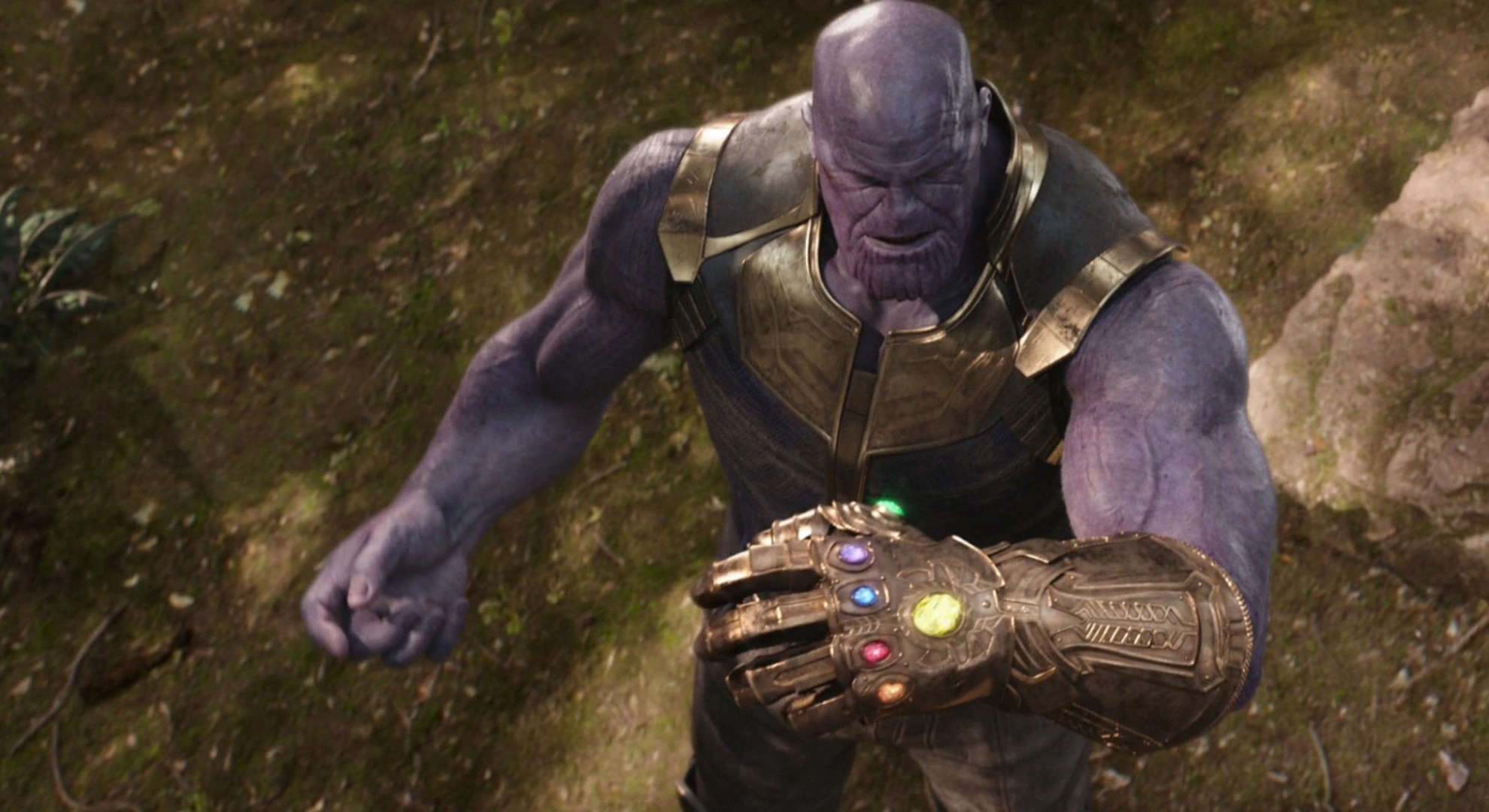
2. Avengers: Infinity War (2018): Thanos
Thanos’s conviction that unchecked population growth would exhaust the universe’s resources is a terrifying interpretation of a genuine concern about sustainability and scarcity. His brutal solution to erase half of all life exposes the danger of utilitarian thinking taken to extremes. Yet, his fears of overconsumption and ecological collapse mirror real global anxieties about climate change, inequality, and the misuse of resources. He embodies the peril of believing that control and destruction can restore balance when compassion and innovation are what the world truly needs.
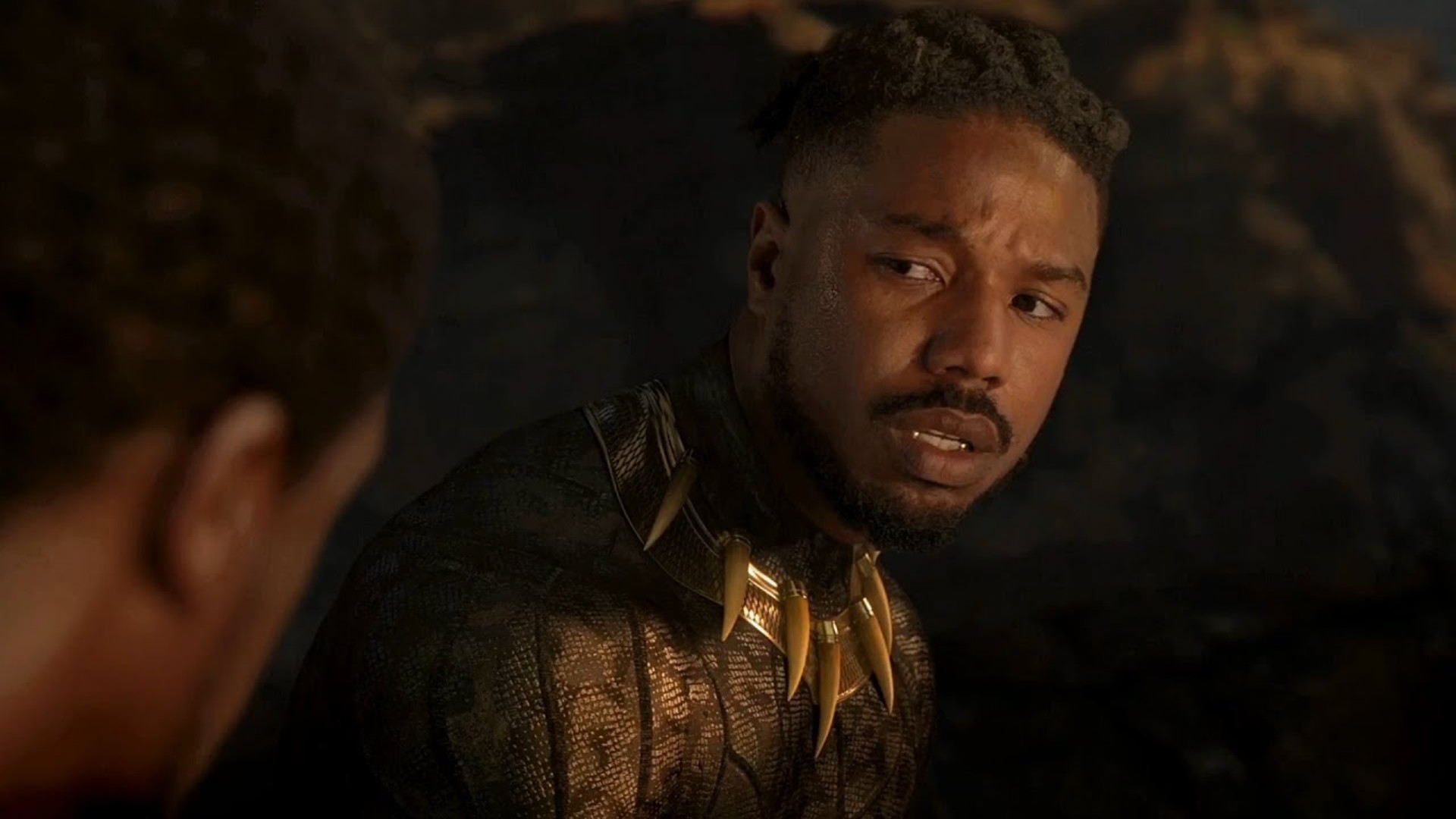
1. Black Panther (2018): Erik Killmonger
Erik Killmonger’s belief that Wakanda’s isolation was a moral failure stems from his anger at seeing a technologically advanced nation ignore the suffering of people of African descent worldwide. His call for global liberation reflects real debates about privilege, responsibility, and the duty of the powerful to confront systemic injustice. Though his militant approach is destructive, his critique of complacency and his demand for accountability from those who have the means to help make him one of cinema’s most morally complex antagonists.