Your Favorite 25 Movies But Their Plot Holes Are Hard To Ignore
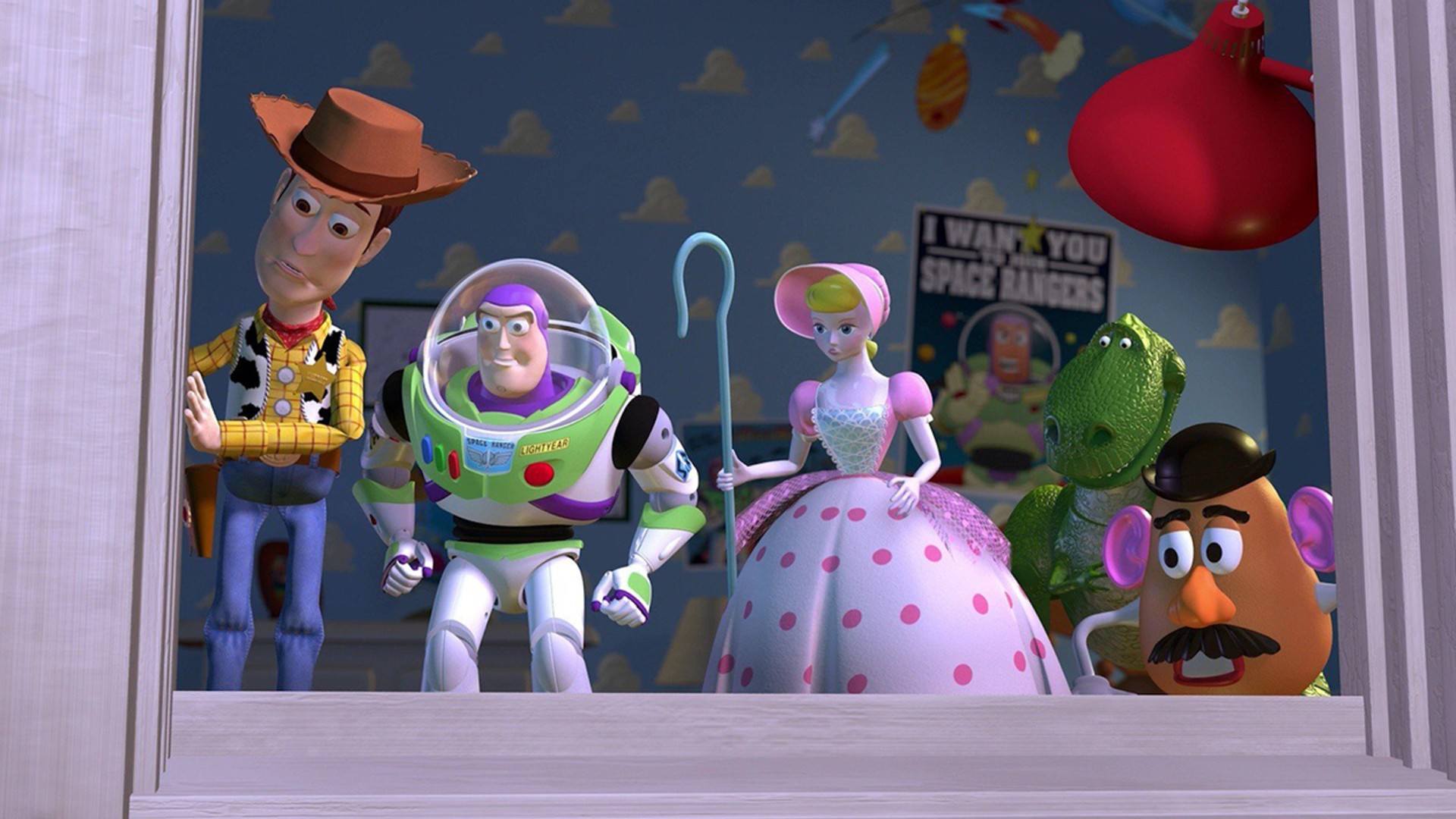
25. Toy Story (1995)
Buzz doesn’t believe he’s a toy but still freezes when humans appear. The logic collapses there. It’s a simple inconsistency that only matters once you notice it. The story’s charm makes you forget, at least for a while.
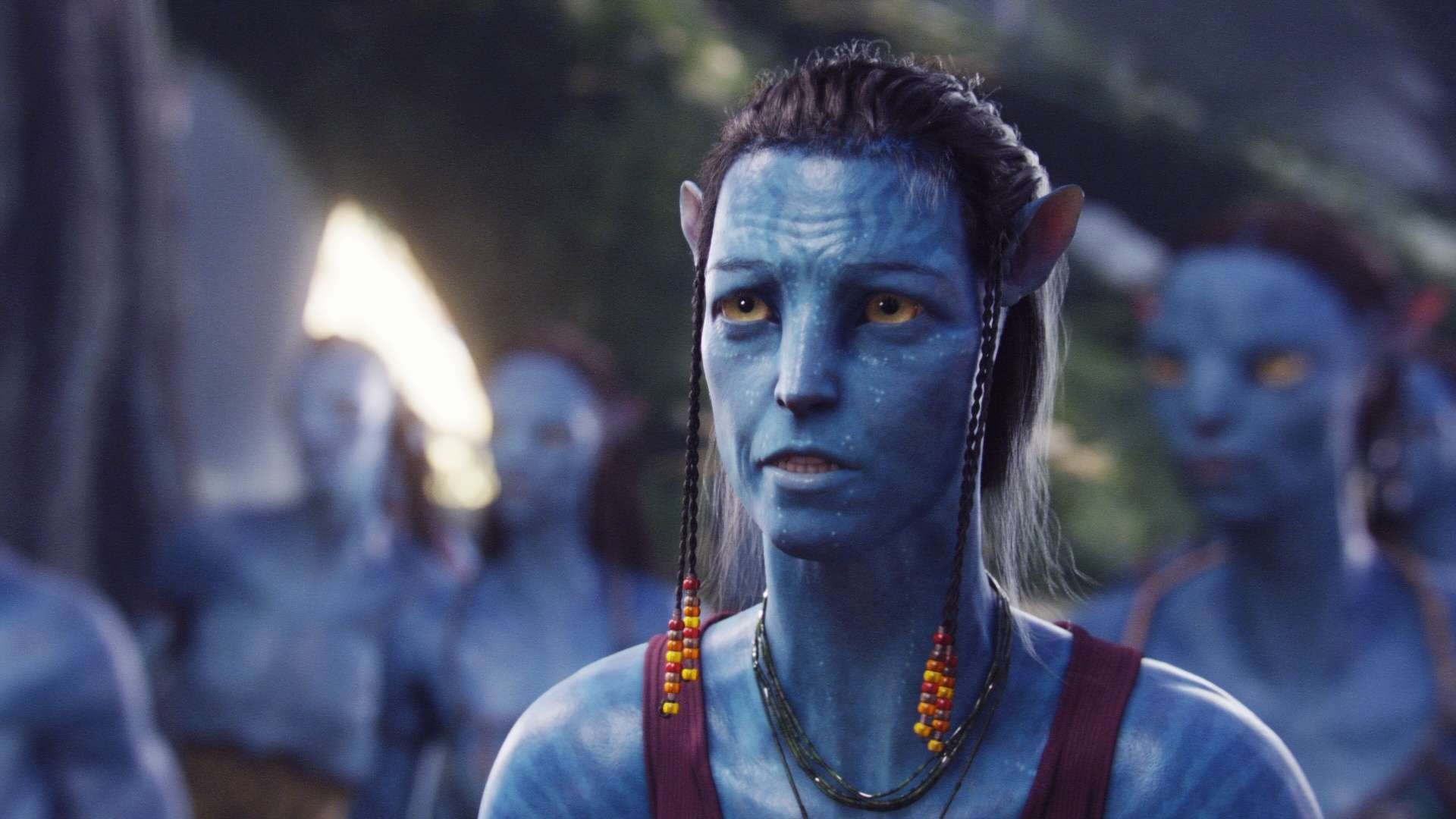
24. Avatar (2009)
Humans can build light-speed ships, but not affordable breathing masks for Pandora. The contradiction is hard to miss. The film critiques greed but depends on unrealistic tech limits. Its message stays strong, even if the science doesn’t.
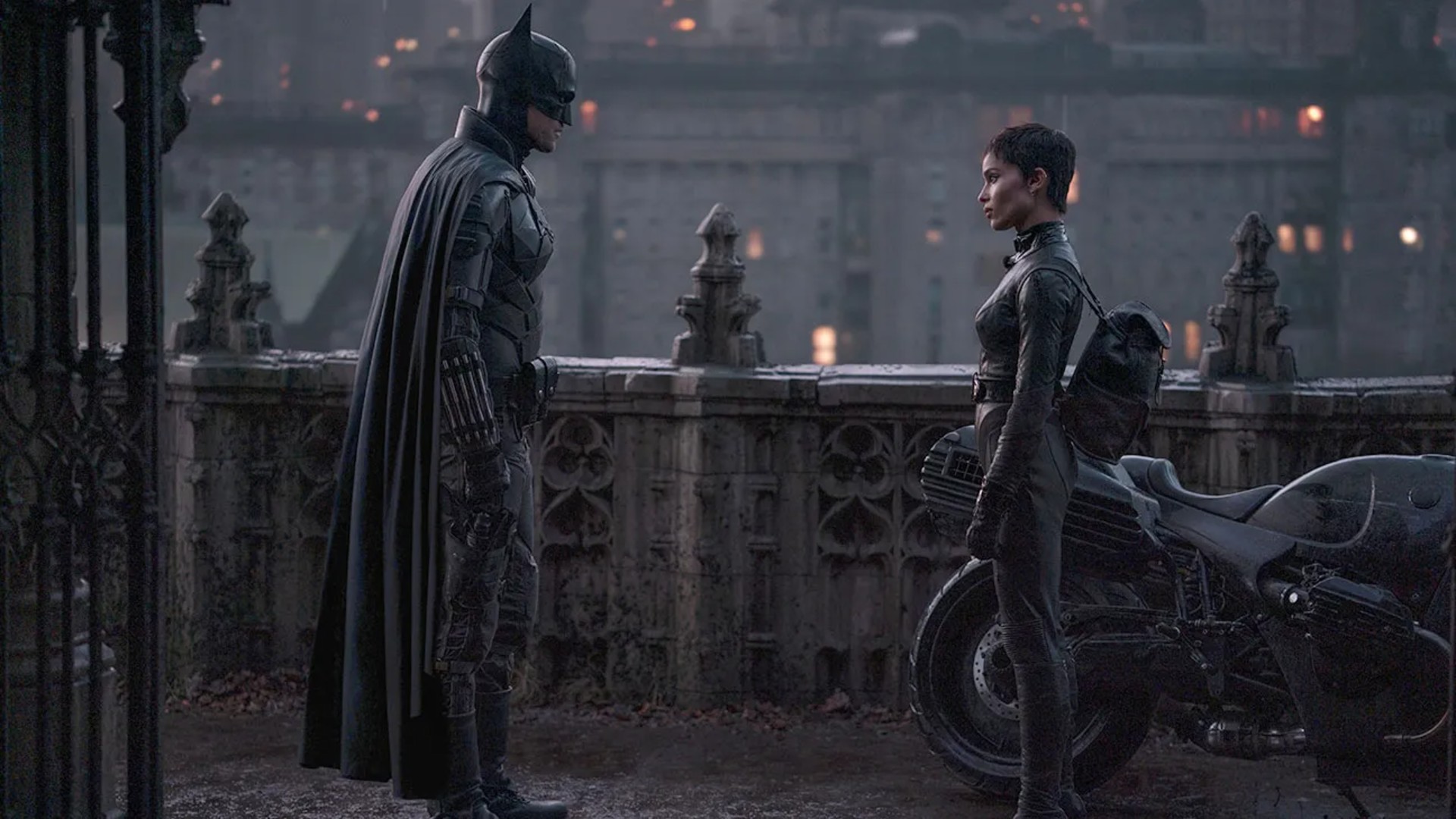
23. The Batman (2022)
Batman is a genius detective, yet he misses an entire crime network in his own city. It feels inconsistent. He solves riddles instantly but overlooks obvious corruption. It’s a strong story that sacrifices believability for mood.

22. Frozen II (2019)
The spirits flood a valley, destroy a dam, and somehow, Arendelle stays safe. The geography doesn’t check out. Elsa’s powers again adjust to whatever the story needs. The logic of her magic world keeps shifting.

21. The Notebook (2004)
Noah reads their love story daily, but none of the staff catch the connection. It stretches credibility. It’s meant to be romantic, yet the practicality doesn’t add up. Still, the emotion overshadows the gap.
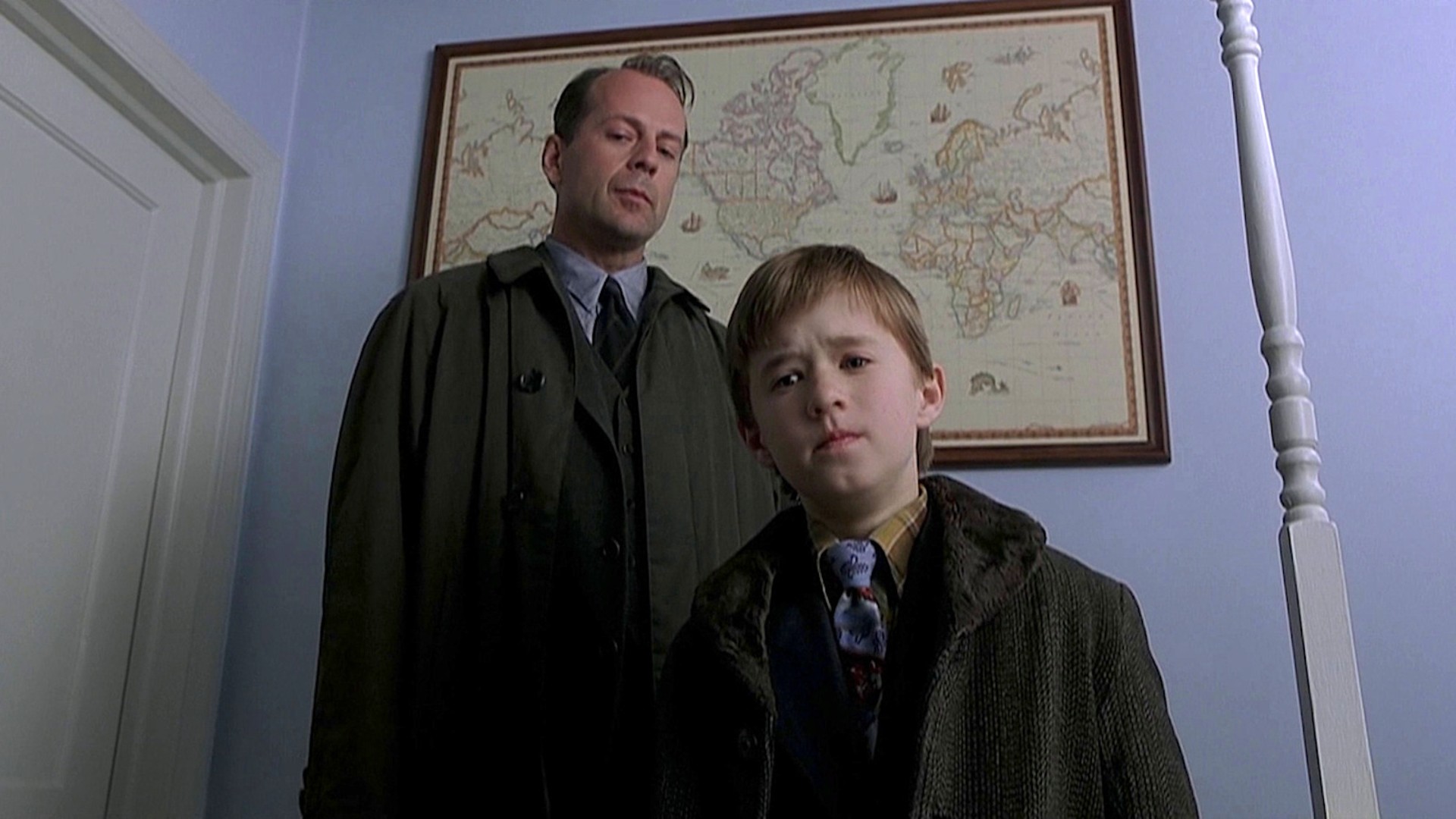
20. The Sixth Sense (1999)
Malcolm never notices that he doesn’t eat or interact with anyone but Cole. The signs are obvious in hindsight. It’s brilliant filmmaking but logically strange. How did he never test his physical reality once?

19. Spider-Man: No Way Home (2021)
The spell wipes Peter from memory, yet everyone remembers Spider-Man. The distinction is unclear. Even government records vanish, which breaks the logic of reality. It’s dramatic, not consistent.
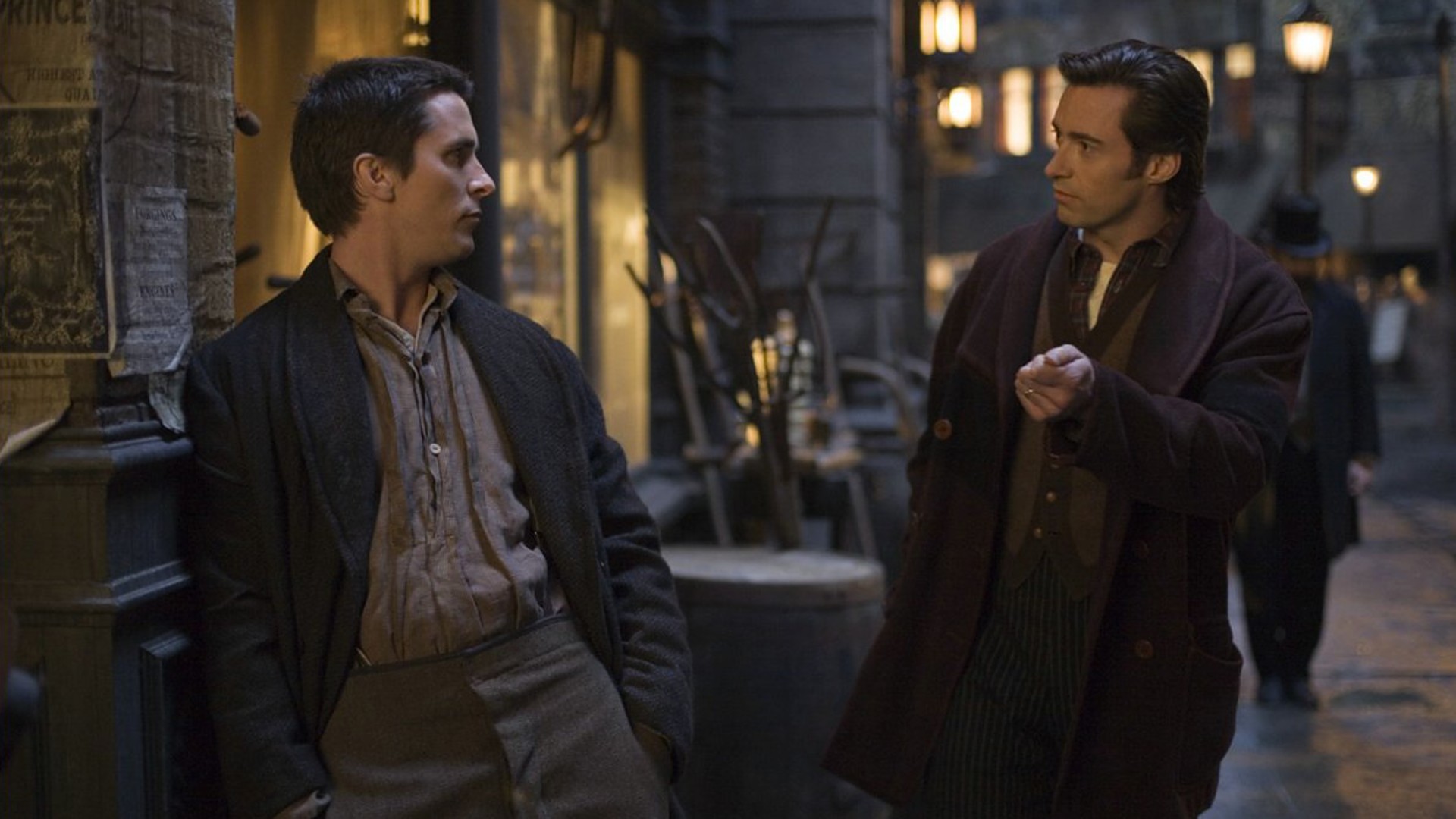
18. The Prestige (2006)
The cloning machine twist is brilliant, but leaves hundreds of unaccounted bodies. Where did they go? Hugh Jackman’s character keeps perfect secrecy despite mass disappearances. The illusion is haunting but impossible.
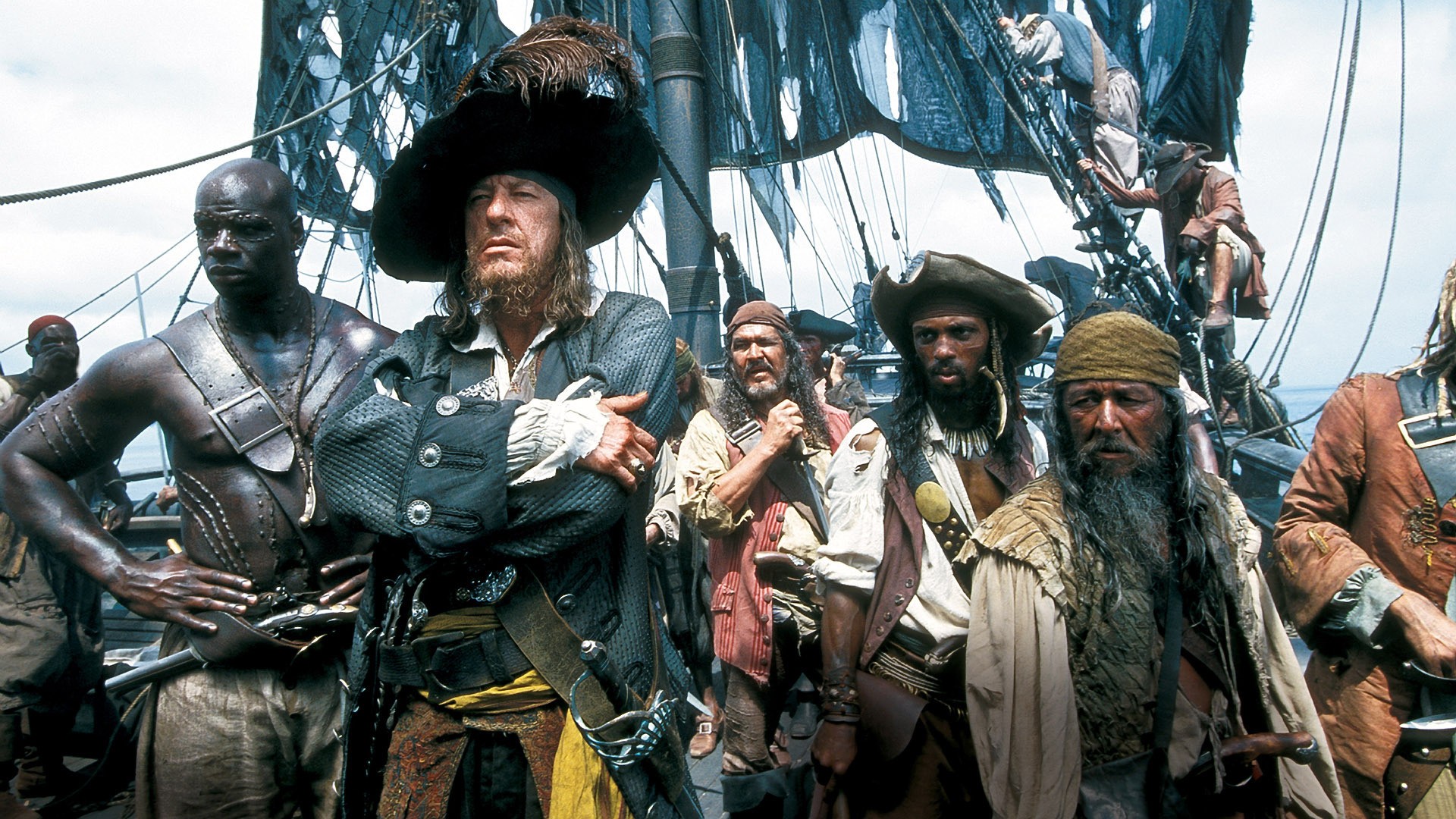
17. Pirates of the Caribbean: The Curse of the Black Pearl (2003)
The curse rules are constantly reinterpreted. The pirates can’t die but somehow die again once free. It’s entertaining, but the film never fully decides how the curse functions. It’s mythology on the fly.

16. Forrest Gump (1994)
Forrest changes major historical events, but no one remembers him later. The timeline feels erased. It’s poetic storytelling, not factual consistency. The charm hides how impossible his life actually is.
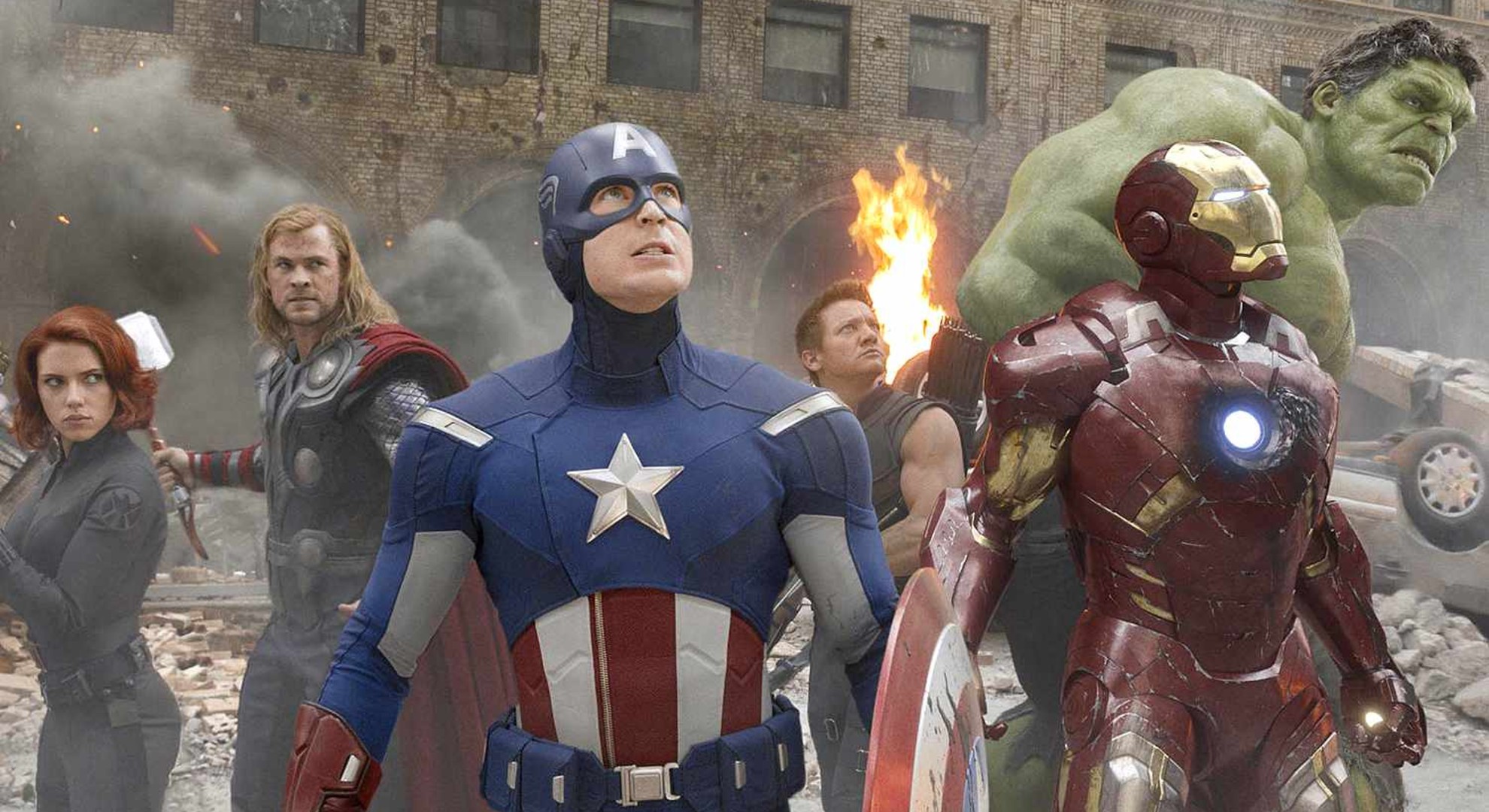
15. The Avengers (2012)
Loki wants to rule Earth, but never explains how he’ll govern billions of people. His plan ends at “open portal.” For someone so cunning, his motives feel half-baked. The heroes’ teamwork makes sense; the villain’s doesn’t.

14. Home Alone (1990)
A family forgets a child, and the airport doesn’t catch it. Even the police do little. It’s funny and heartwarming, but deeply implausible. The setup only works if every adult fails at once.
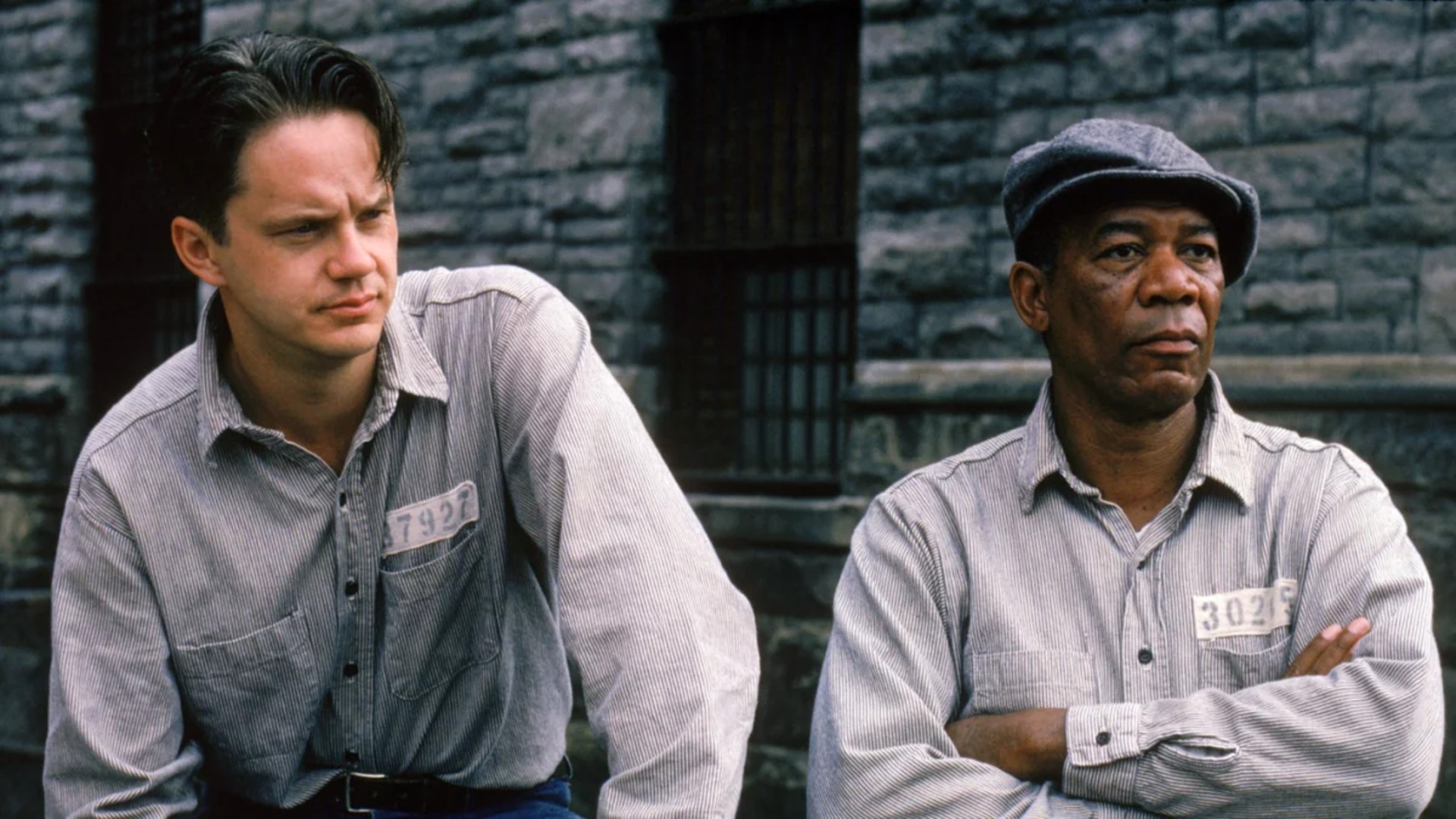
13. The Shawshank Redemption (1994)
Andy digs a tunnel for years with a small rock hammer, yet no one ever spots dust or sound. The escape feels too clean. The payoff is brilliant, but the logistics are questionable. It’s a perfect example of a great illusion that defies practicality.
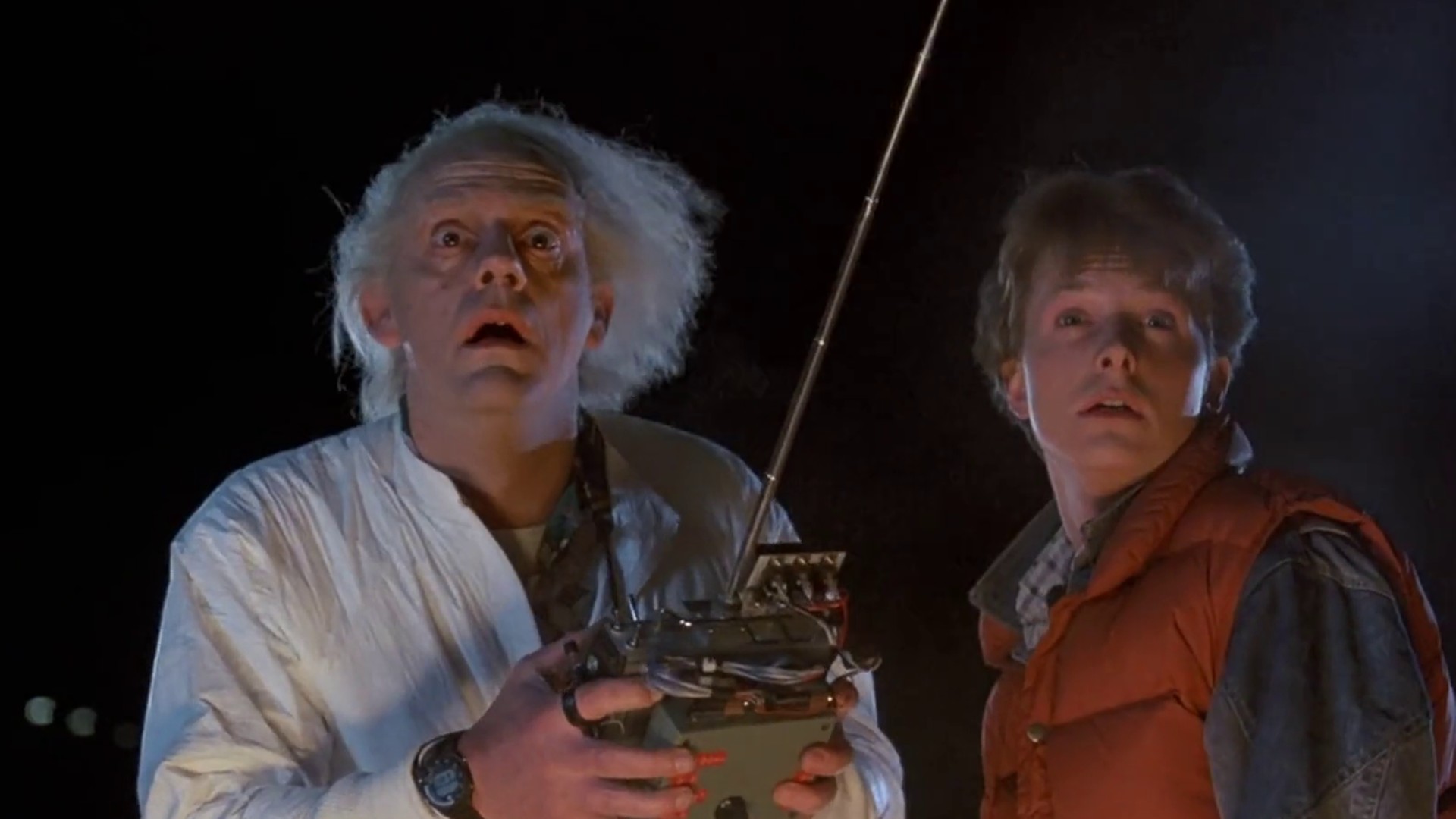
12. Back to the Future (1985)
Marty looks identical to the teen who brought his parents together, yet they never notice. That resemblance would be unforgettable. It’s one of those details you ignore while watching, but it lingers later. Nostalgia wins over logic every time.

11. Frozen (2013)
Anna finds Elsa’s ice castle instantly after years of isolation. The geography of the kingdom never makes sense. Elsa’s powers also fluctuate. Sometimes she can control everything, sometimes nothing. It feels inconsistent within her own rules.

10. The Lion King (1994)
Scar blames a child for murder, and no one asks for proof. The entire animal kingdom accepts his word. Simba’s guilt drives the story, but logic would demand witnesses or doubt. It works emotionally, not logically.
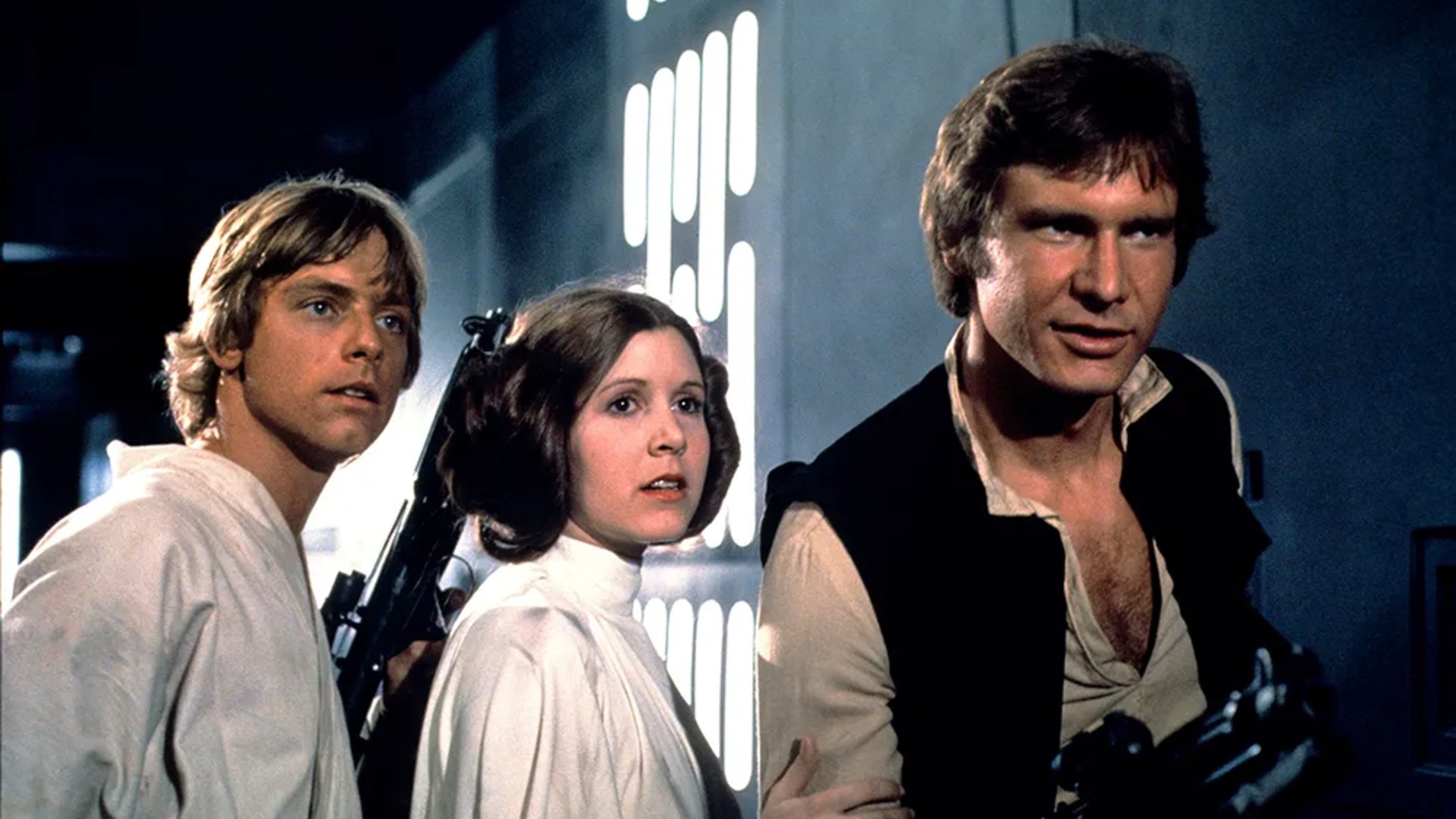
9. Star Wars: A New Hope (1977)
The Death Star’s single weak spot makes for great drama, but how did thousands of engineers miss that flaw? Even if it’s explained later as sabotage, it still feels careless for such an advanced weapon. Fans love it, but it’s hard to unsee.
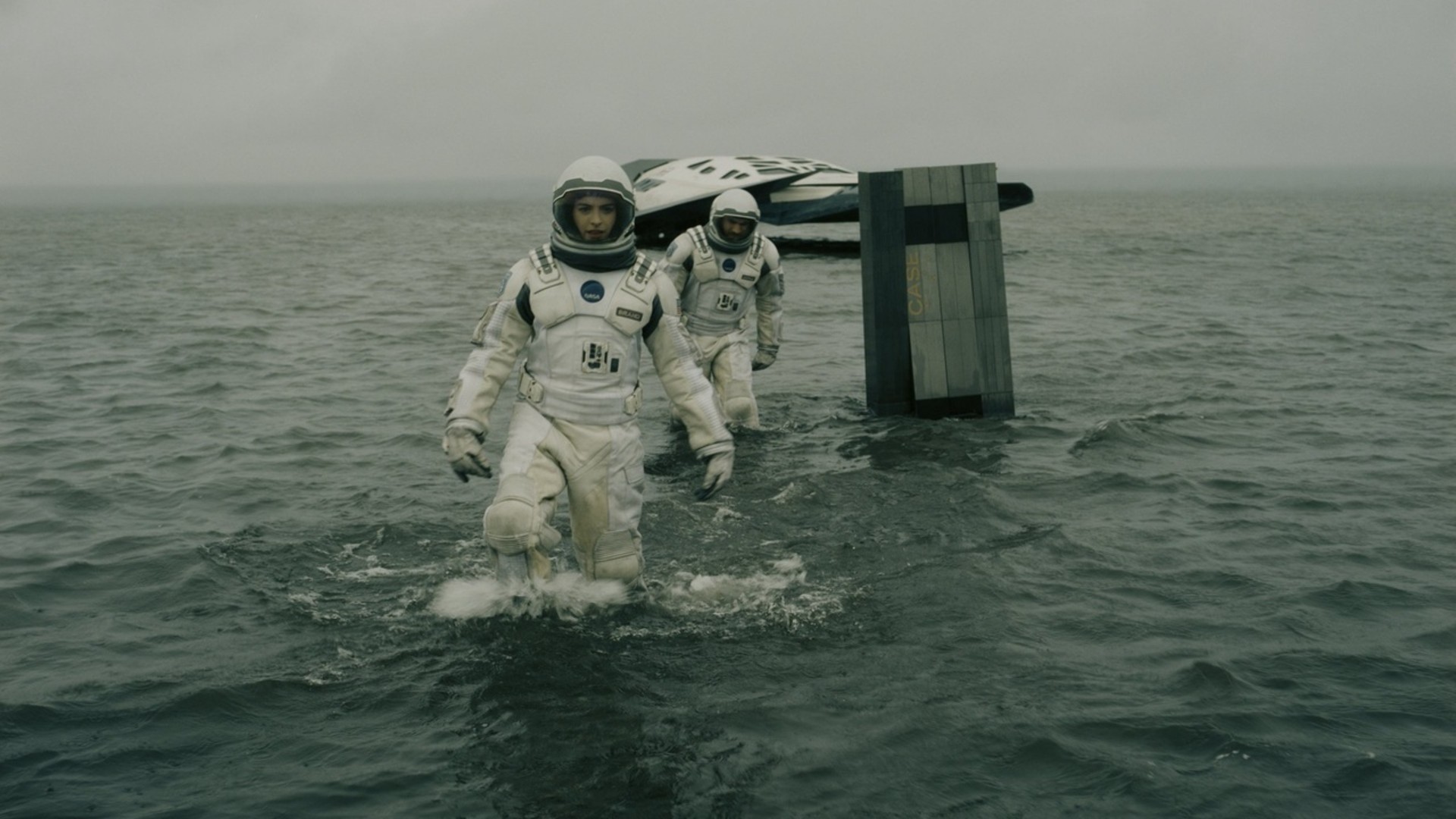
8. Interstellar (2014)
The science is stunning, but the emotional climax depends on love being a measurable force. It breaks the film’s earlier realism. The “tesseract” sequence leaves more questions than answers about who or what built it. It’s powerful, but not entirely logical.
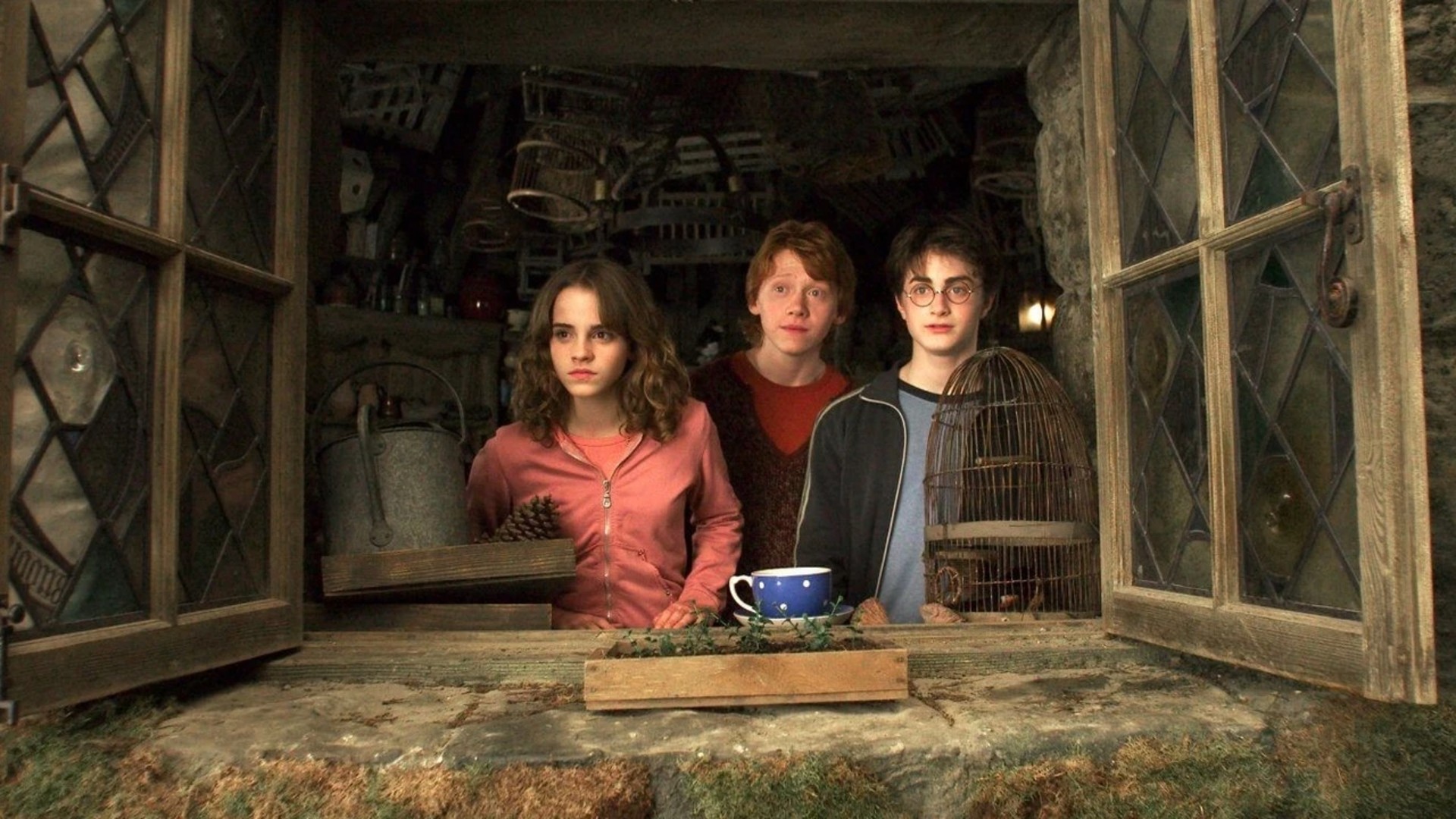
7. Harry Potter and the Prisoner of Azkaban (2004)
The Time-Turner allows rewriting events, yet it’s never used again to prevent later tragedies. If time travel exists in this world, its disappearance in later stories makes no sense. It’s a story convenience that fans can’t stop thinking about.

6. Jurassic Park (1993)
The park’s entire security runs on unreliable power systems, yet no one considered backup safety. The fences fail, then magically restart. The park staff acts surprised at events they should have predicted. It’s still a landmark film, but logic takes a back seat to spectacle.

5. Avengers: Endgame (2019)
Time travel is central, yet its rules change constantly. Sometimes altering the past matters, sometimes it doesn’t. Characters talk about “branching timelines,” but the movie treats it like classic time travel when it suits the plot. It’s thrilling, but confusing on rewatch.
4. The Matrix (1999)
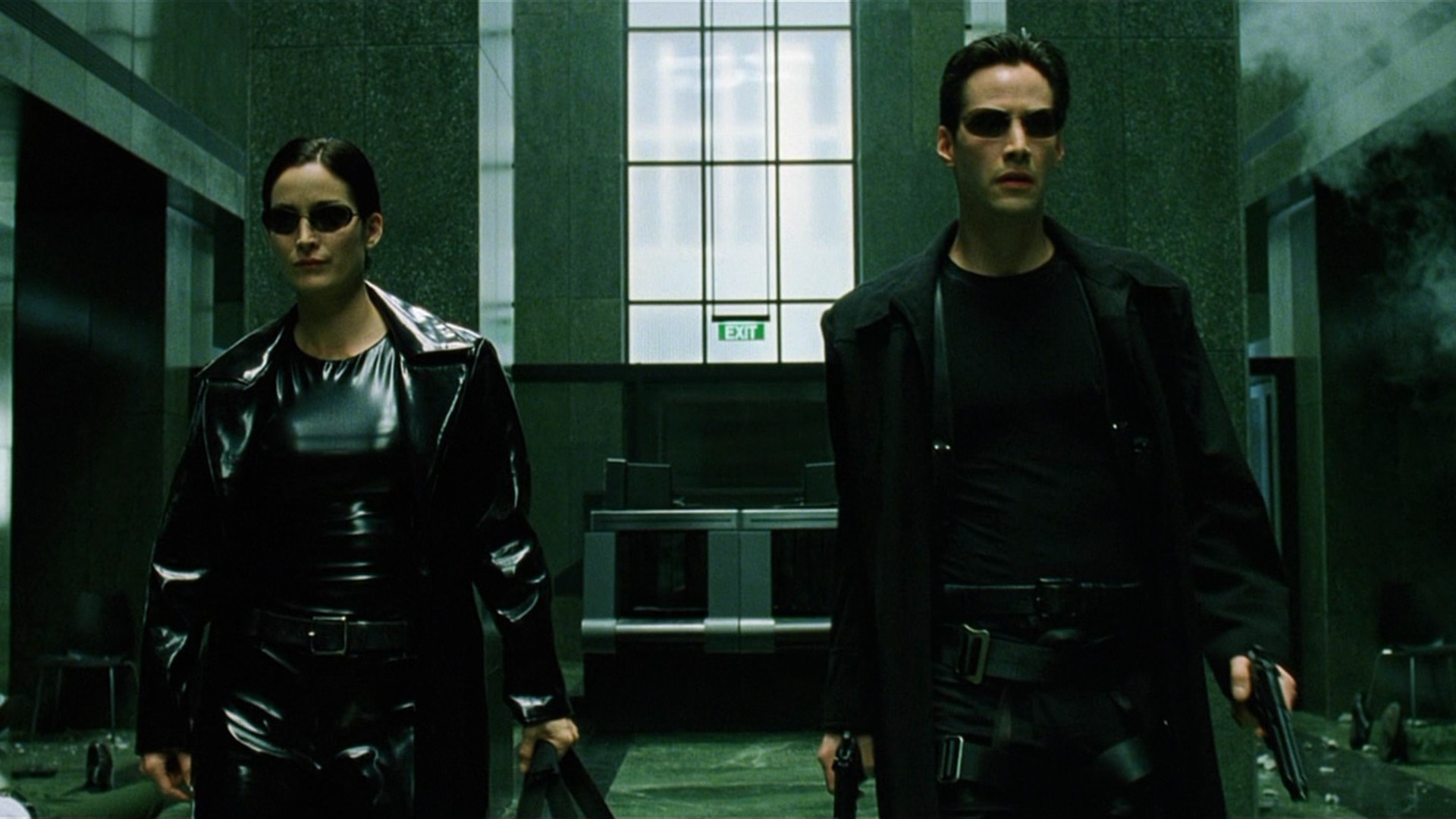
Humans are farmed as batteries, but biological energy output doesn’t match the machines’ needs. The science doesn’t hold. Even within its world, why create such a realistic simulation just to keep people calm? The film’s concept is brilliant, but the logic behind the system feels off.

3. Titanic (1997)
The most debated issue remains the floating door. There was clearly room for Jack beside Rose, but the story chose tragedy over sense. It’s a technical flaw wrapped in emotion. The scene still hurts, but it leaves you wondering why survival wasn’t even tried.
2. The Dark Knight Rises (2012)
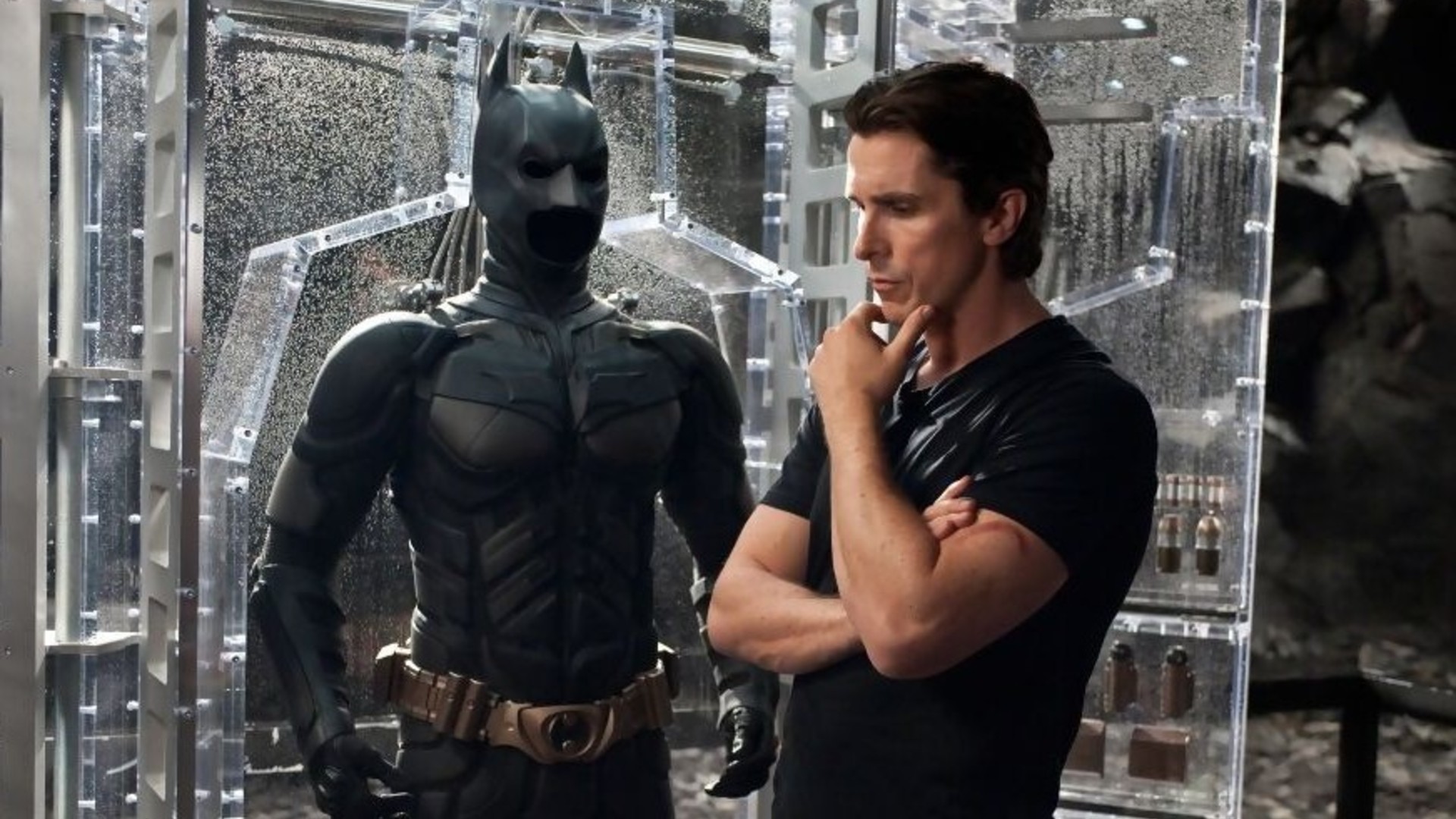
Bruce escapes a desert prison, crosses continents, and gets back to Gotham with no resources or explanation. The city is sealed off, yet he manages to sneak in unseen. The timeline of the nuclear bomb countdown also shifts without logic. It feels like the story wanted tension more than coherence.
1. Inception (2010)
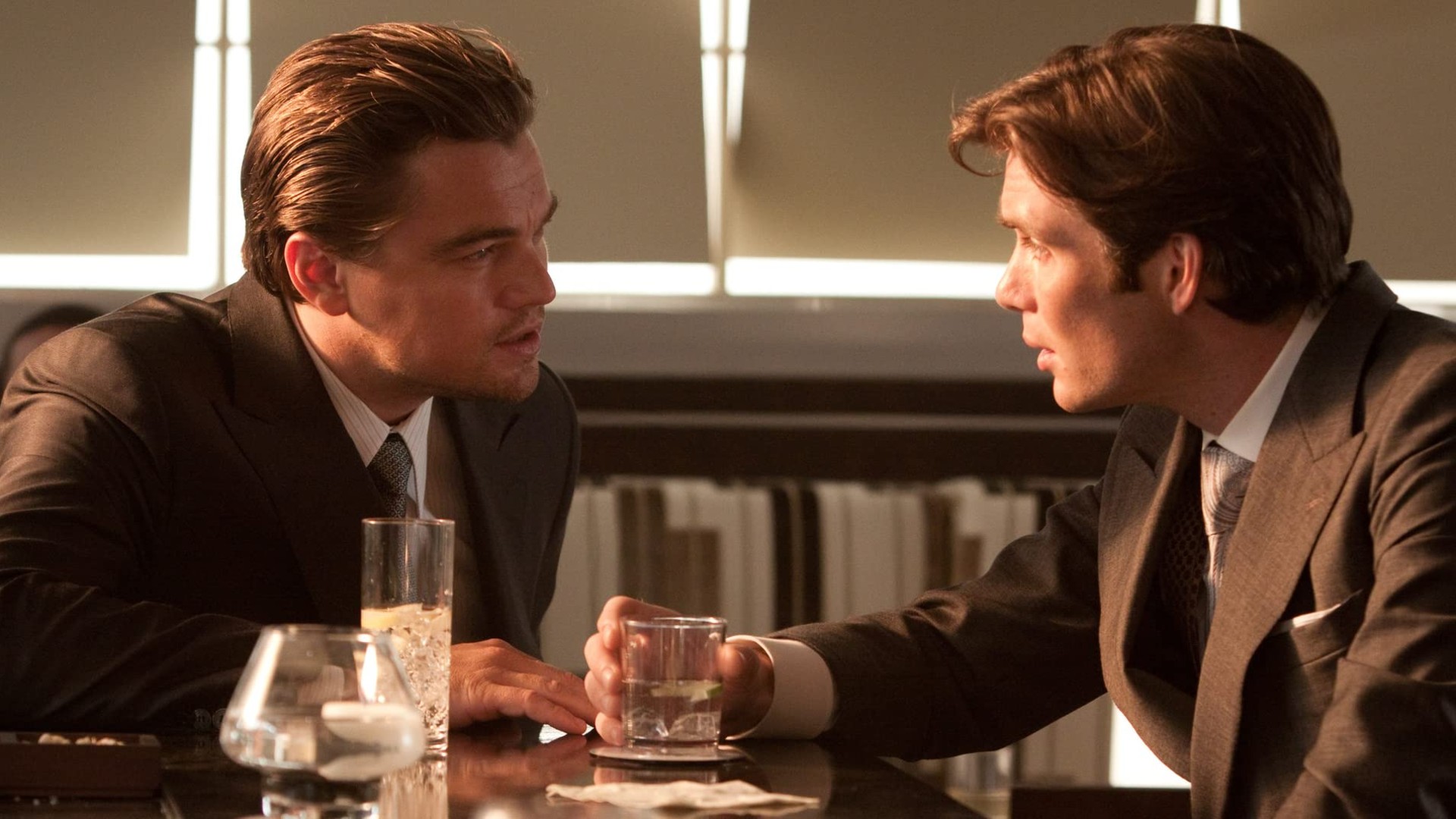
The film’s concept of layered dreams is fascinating, but it’s never fully clear how time works in each level. The deeper they go, the slower it gets, yet they still manage perfect timing for the “kick.” Cobb’s spinning top at the end leaves fans questioning reality, but even before that, the dream mechanics feel inconsistent. For a movie about rules, it bends them whenever needed.