From ‘Howl’s Moving Castle’ to ‘Spirited Away’: 25 Studio Ghibli Moments Fans Can’t Forget
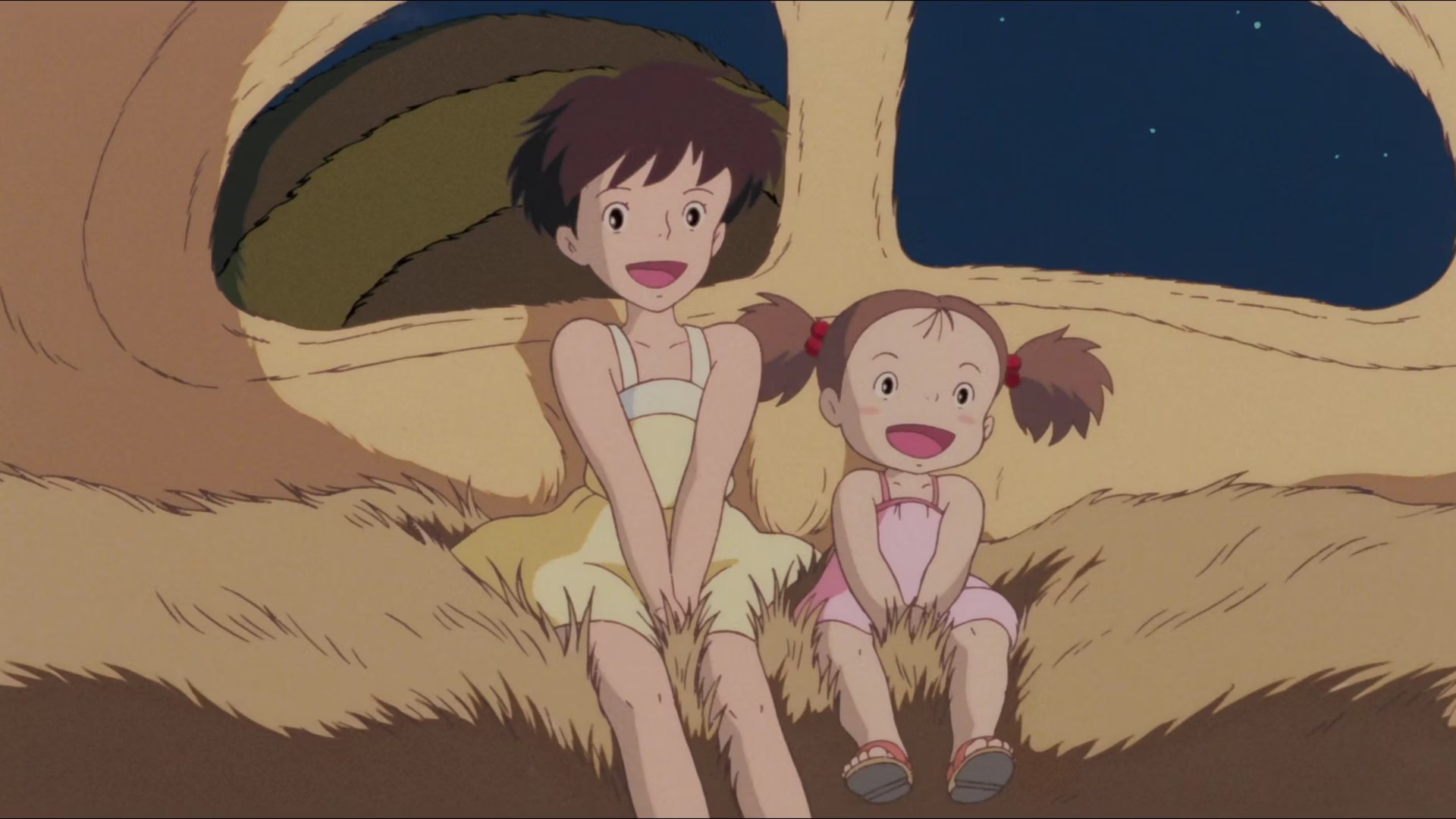
25. The Closing Credits of Any Ghibli Film
No matter the story, by the time the credits roll, there’s always a lump in the throat. It’s the ache of leaving behind worlds so rich, characters so alive, and emotions so raw. The music, often quiet and reflective, feels like a final embrace. It’s not just sadness, it’s gratitude. The tears at the end are for the journey itself.
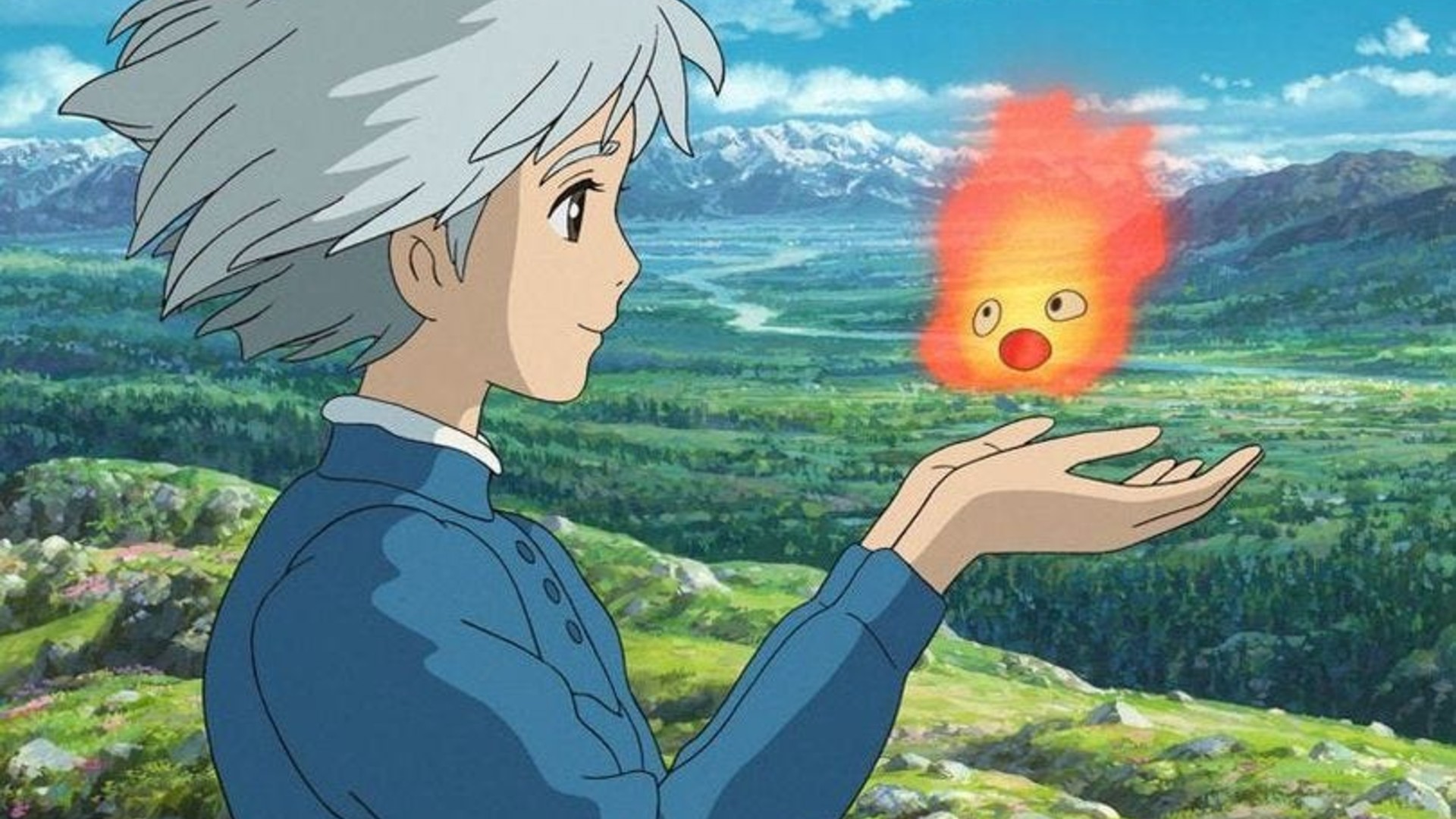
24. Sophie Seeing Howl’s Past – Howl’s Moving Castle
When Sophie glimpses Howl’s childhood and his pact with Calcifer, his humanity comes crashing into view. Suddenly, the flamboyant wizard is just a lonely boy searching for something he lost. Sophie’s tears, and ours, come from realizing how fragile he truly is. This moment transforms Howl from legend to human. And it reminds us that even the strongest often carry hidden scars.
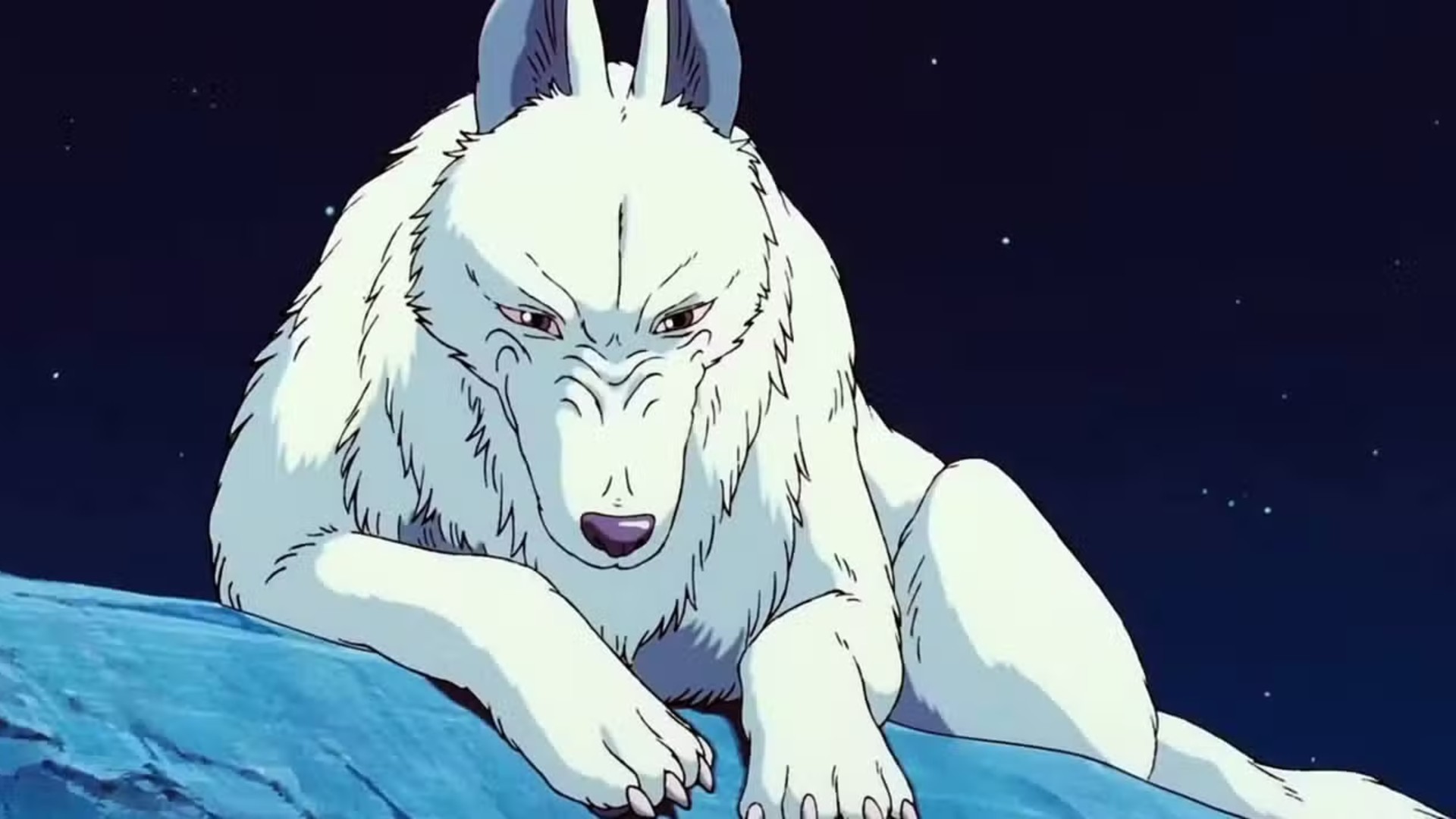
23. The Death of Moro – Princess Mononoke
Moro, the wolf goddess, dies with words of ferocity and strength still on her lips. Her departure is brutal yet dignified, embodying nature’s fury and grace. The silence after her final breath is jarring. Even in death, she leaves a presence that cannot be ignored. Tears fall because her strength mirrors the earth itself, wounded but enduring.
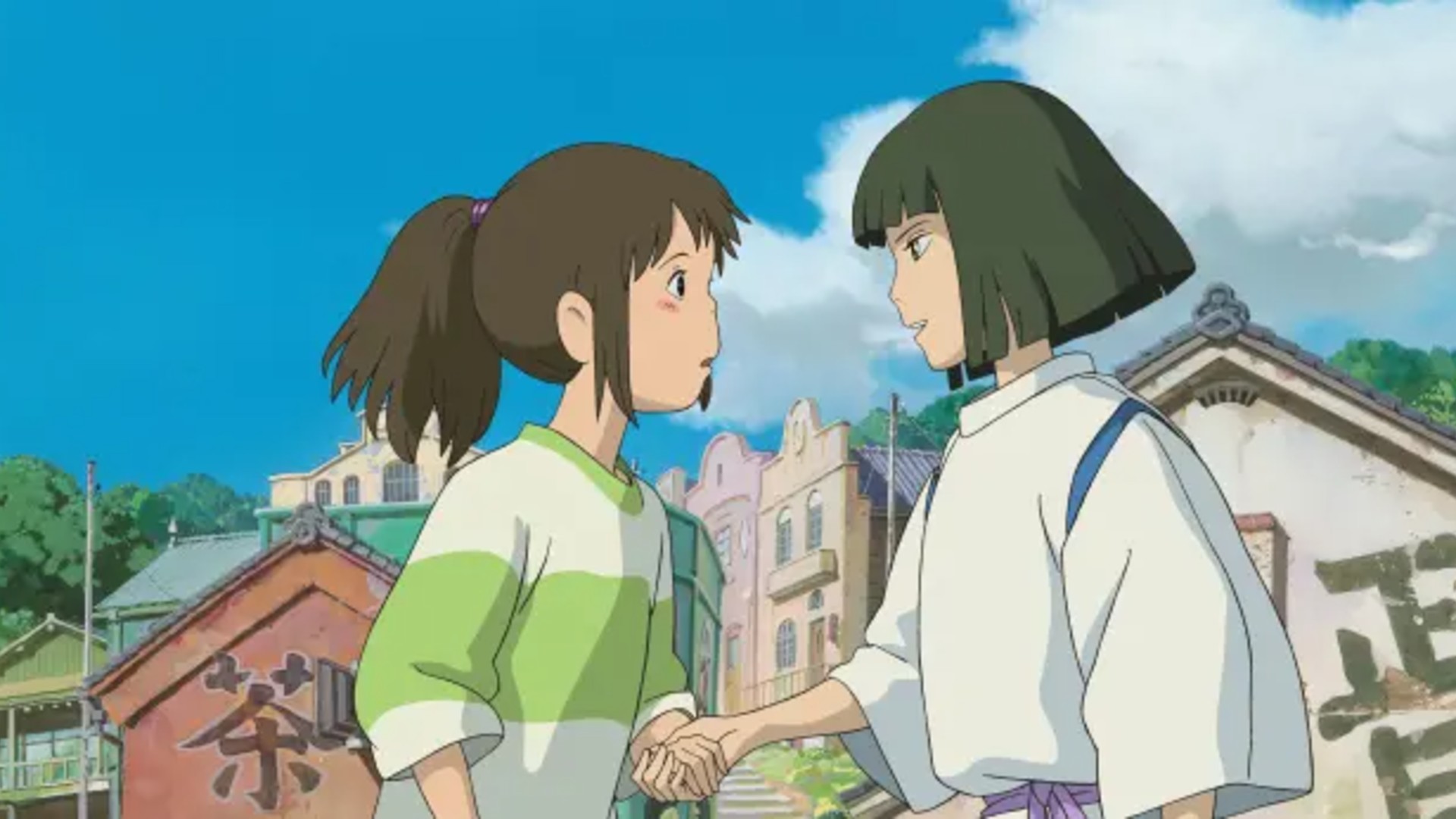
22. Chihiro Forgetting Haku – Spirited Away
At the end, as Chihiro leaves the spirit world, her memories of Haku begin to fade. The warmth of their bond dissolves into something she cannot hold onto. It’s devastating because it’s so true to life, as sometimes the most meaningful connections slip away. The sadness isn’t loud; it’s quiet and lingering. A love story ends not in drama, but in forgetting.
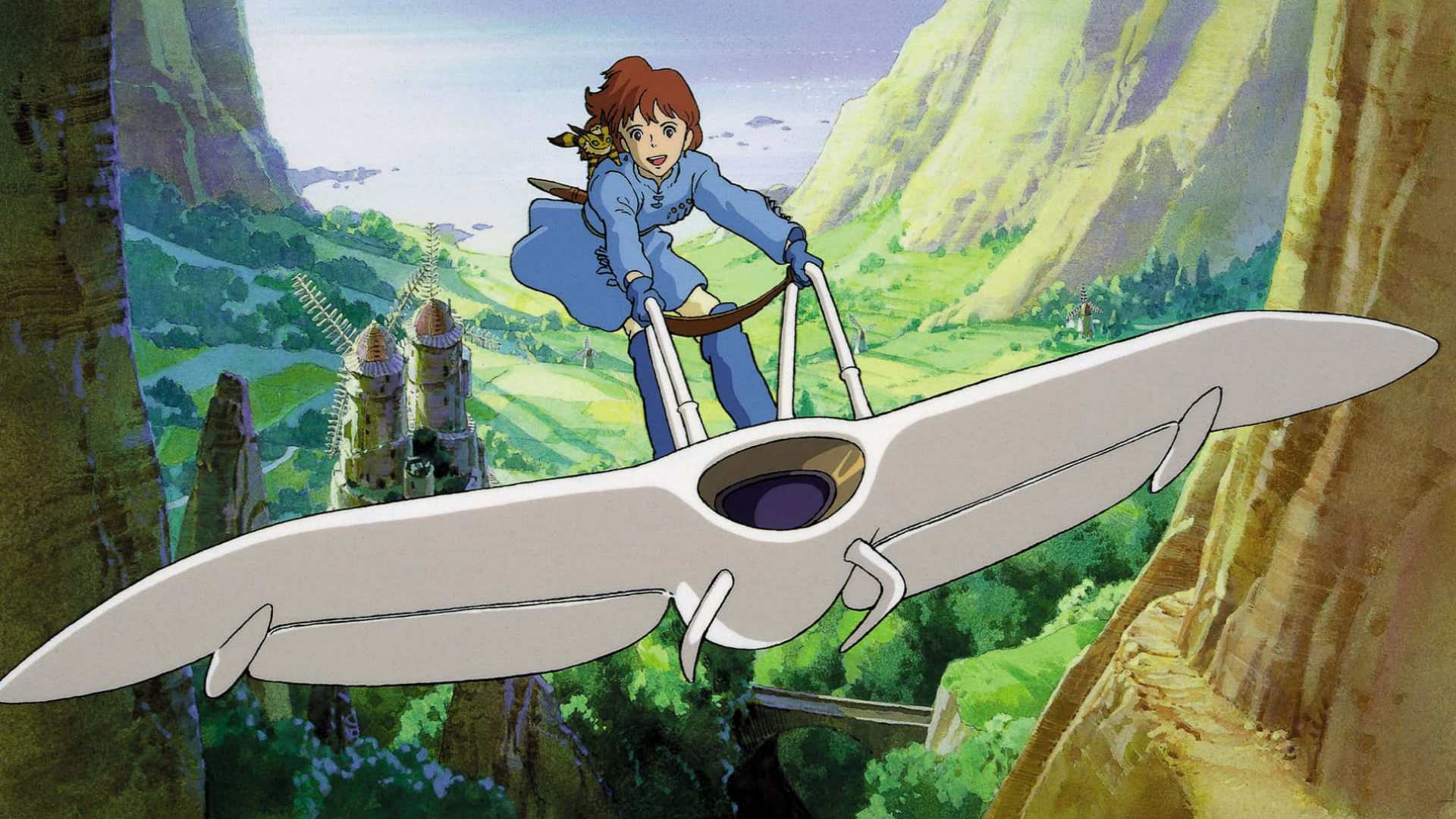
21. The Final Words of Nausicaä – Nausicaä of the Valley of the Wind
Nausicaä’s compassion and sacrifice in the midst of chaos are staggering. She steps into danger not for glory, but because she cannot ignore suffering. Her actions echo through her people and even the natural world. The tears come from witnessing such selflessness. It’s a moment of hope, born out of immense pain.
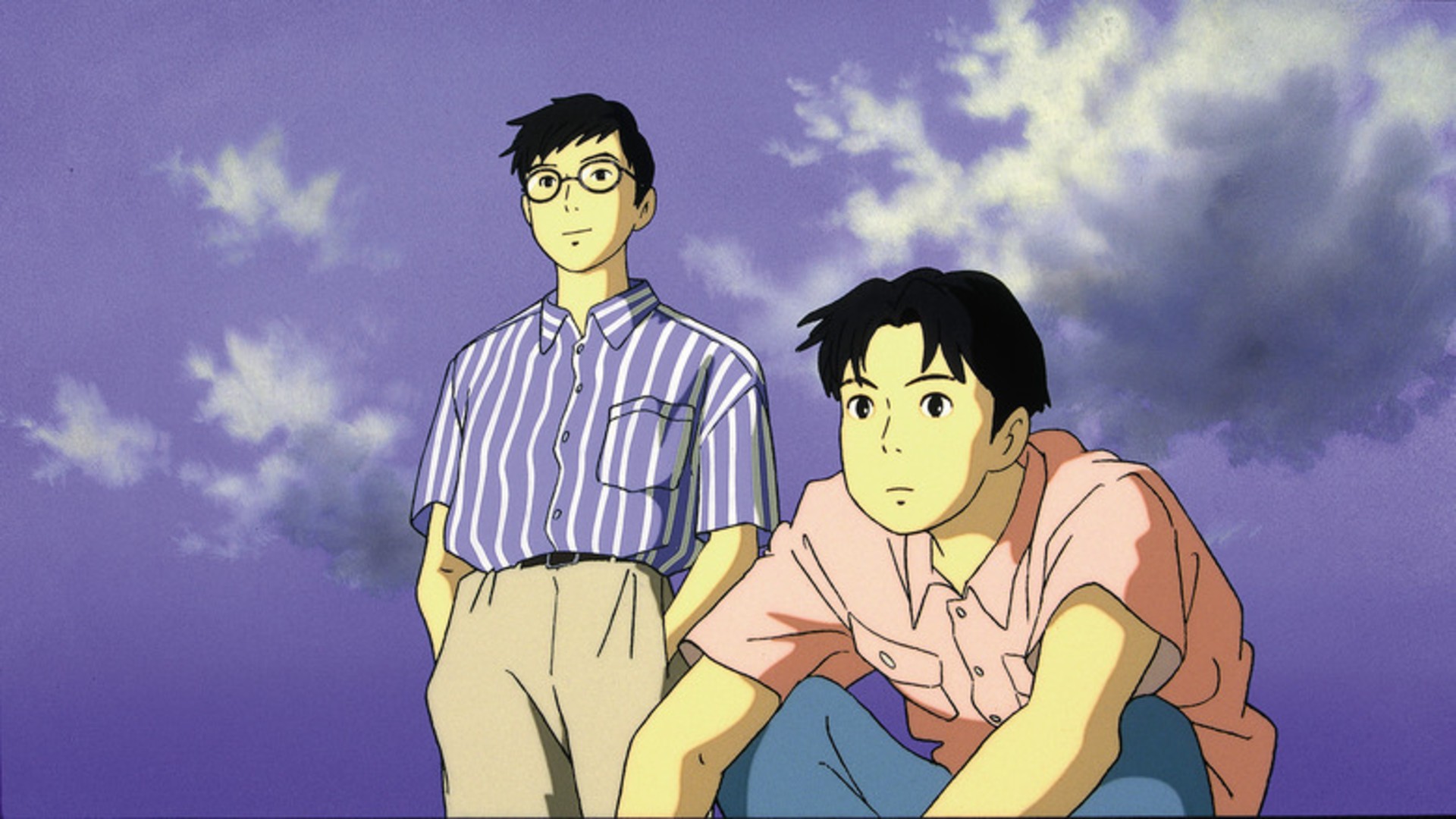
20. The Ending of Ocean Waves
This quiet film ends not with fireworks but with subtle melancholy. Taku reflects on his youthful mistakes, his misunderstandings, and the love he failed to grasp. The regret is gentle, but it stings in its honesty. The ache of missed chances and growing up is universal. It’s not tragic, but it still leaves tears in its wake, quiet, and reflective ones.
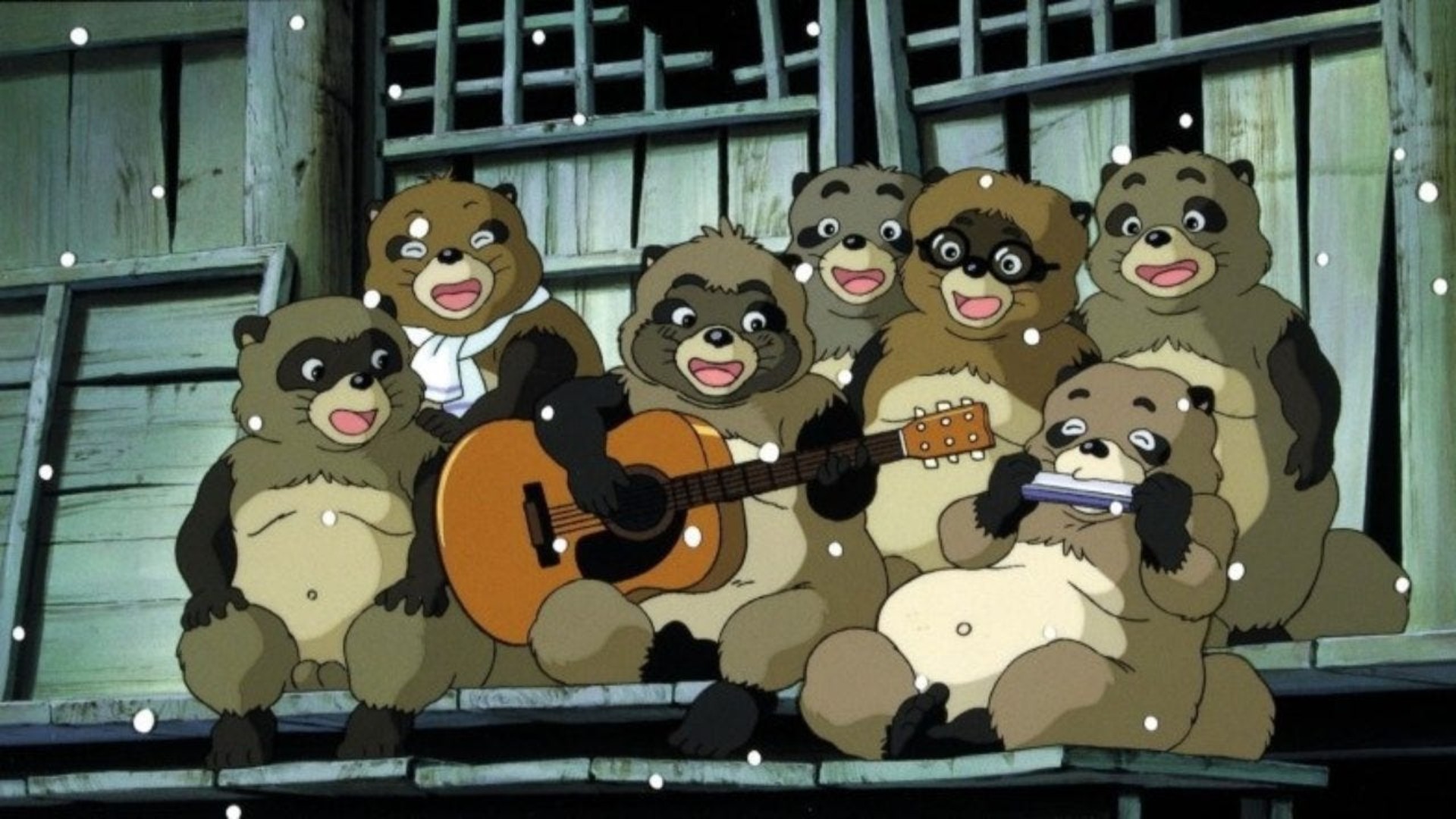
19. The Old Woman’s Song – Pom Poko
As the old woman sings a nostalgic folk tune, the tanuki slip away into memory. The mixture of song, storytelling, and imagery carries a crushing sense of cultural erasure. It’s not just animals fading, it’s traditions, laughter, and lives swallowed by modernity. The scene lingers like a ghostly echo. You cry because it feels like watching an entire way of life vanish.
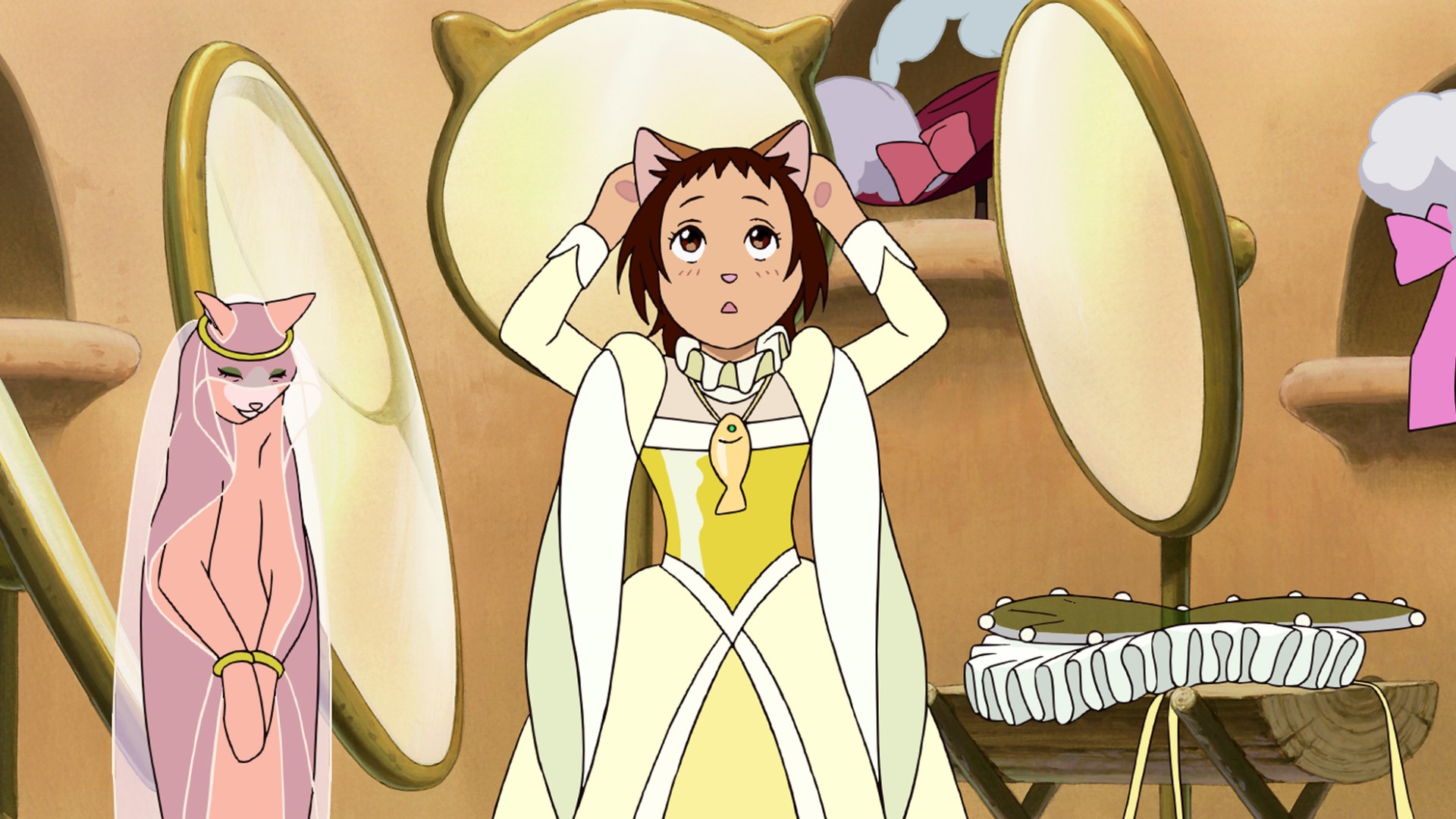
18. The Cat Returns Ending – The Cat Returns
Haru’s quiet goodbye to the Cat Kingdom is bittersweet. She has grown, changed, and finally learned to trust herself, but the adventure must end. The whimsical world that once welcomed her fades like a dream. That ache of leaving behind something magical is one everyone understands. Tears flow because the end of wonder always feels like loss.
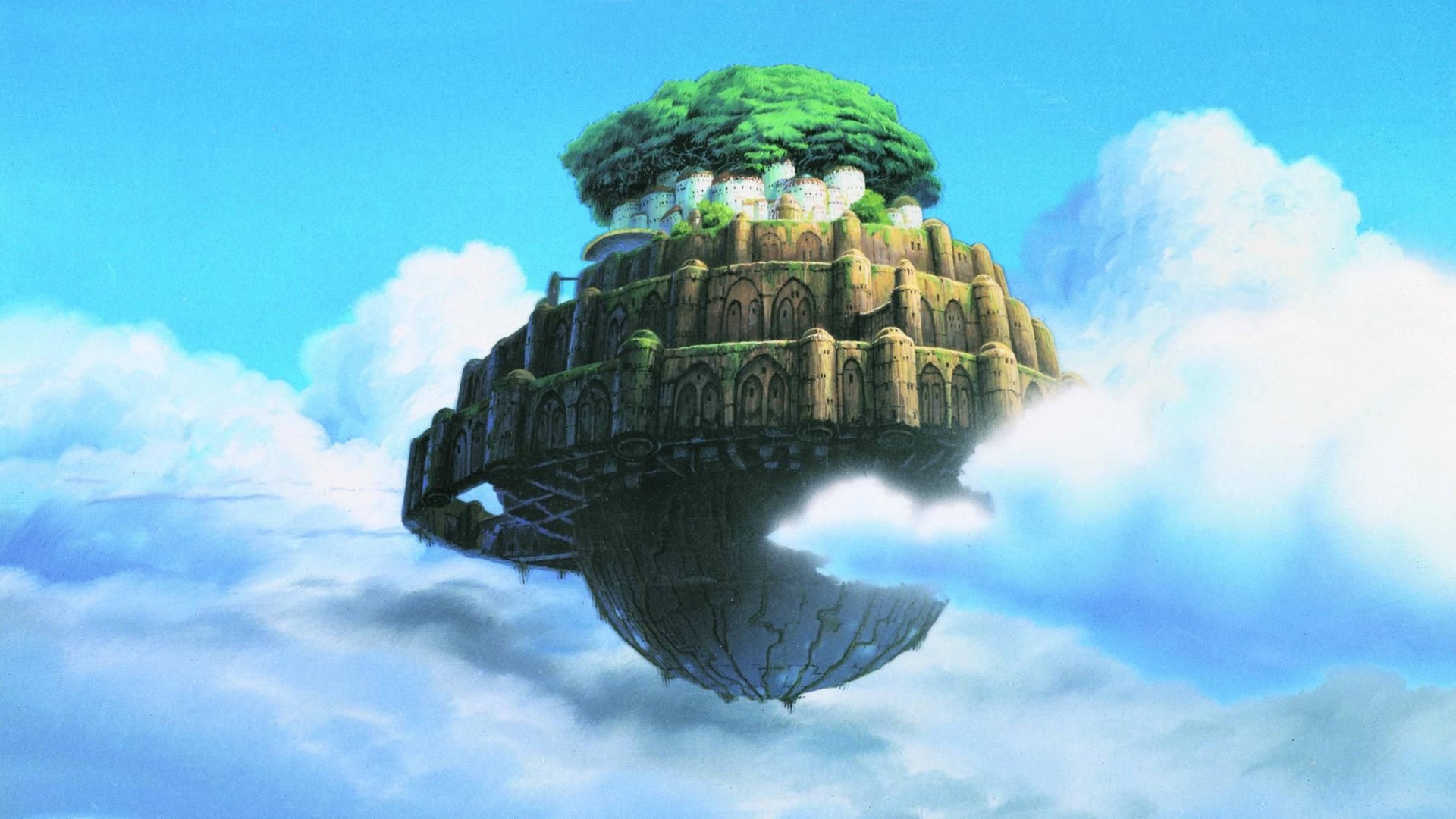
17. Laputa’s Collapse – Castle in the Sky
The destruction of Laputa is less about spectacle and more about heartbreak. This floating city, once a dream of progress, is consumed by greed and violence. Watching it crumble feels like watching humanity destroy its own beauty. The silence that follows carries unbearable weight. It’s not just a city falling, and it’s hope, gone in an instant.
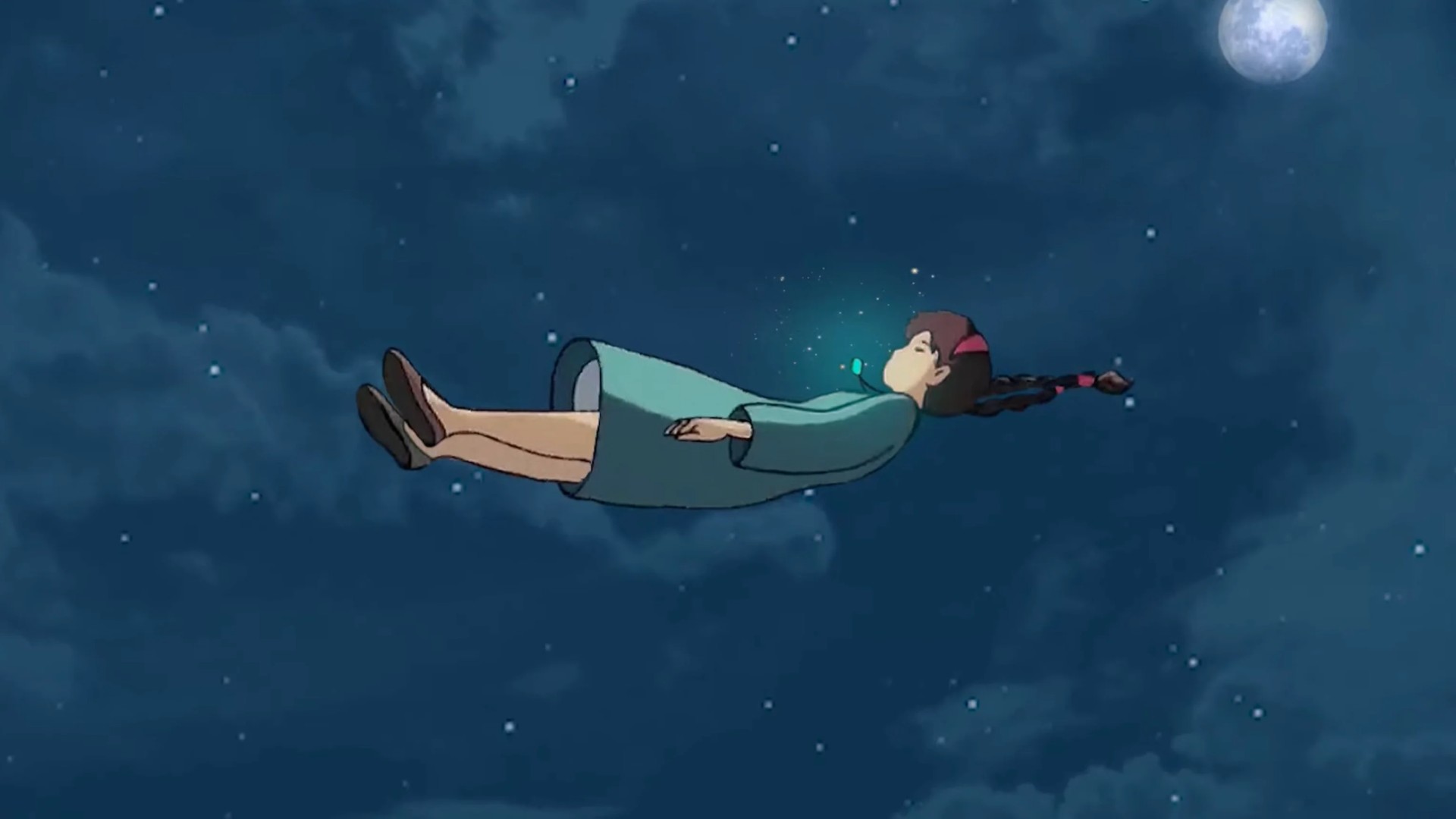
16. When Sheeta Falls – Castle in the Sky
The moment Sheeta slips from safety and plummets through the sky is terrifying. Pazu’s desperate reach to catch her is more than action, because it’s pure love and trust. For a brief second, it feels like she might vanish forever. When he finally grips her hand, the relief comes like a wave. Tears follow not just from fear, but from the deep reminder of how much we need others.
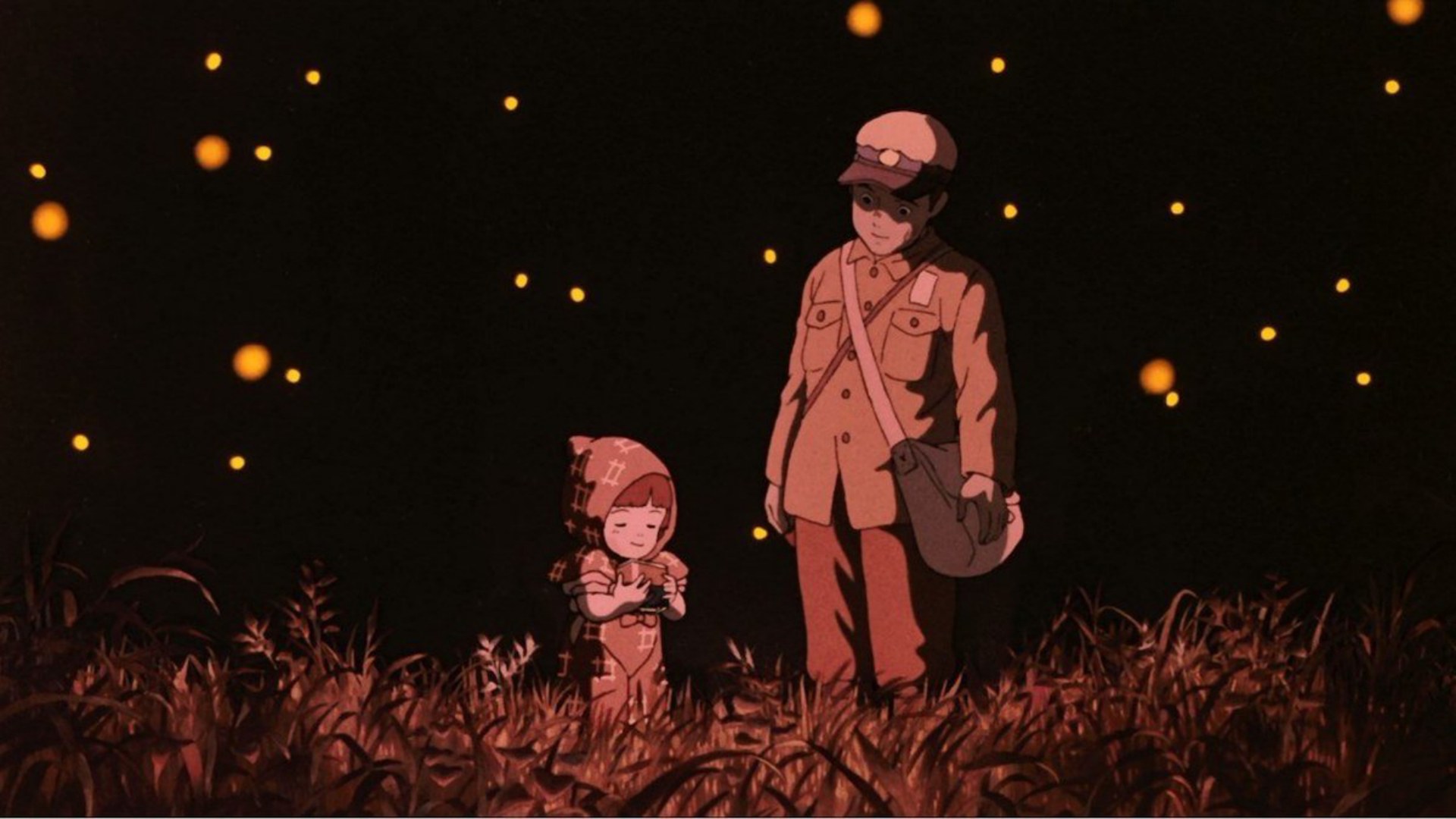
15. Seita and Setsuko’s Spirits – Grave of the Fireflies
The final vision of Seita and Setsuko reunited in spirit form is haunting. They sit peacefully, glowing softly, looking down on a world that took everything from them. It’s beautiful yet cruel, comforting yet devastating. The film doesn’t give us relief, as it gives us the ache of what might have been. By the credits, there are no dry eyes left.
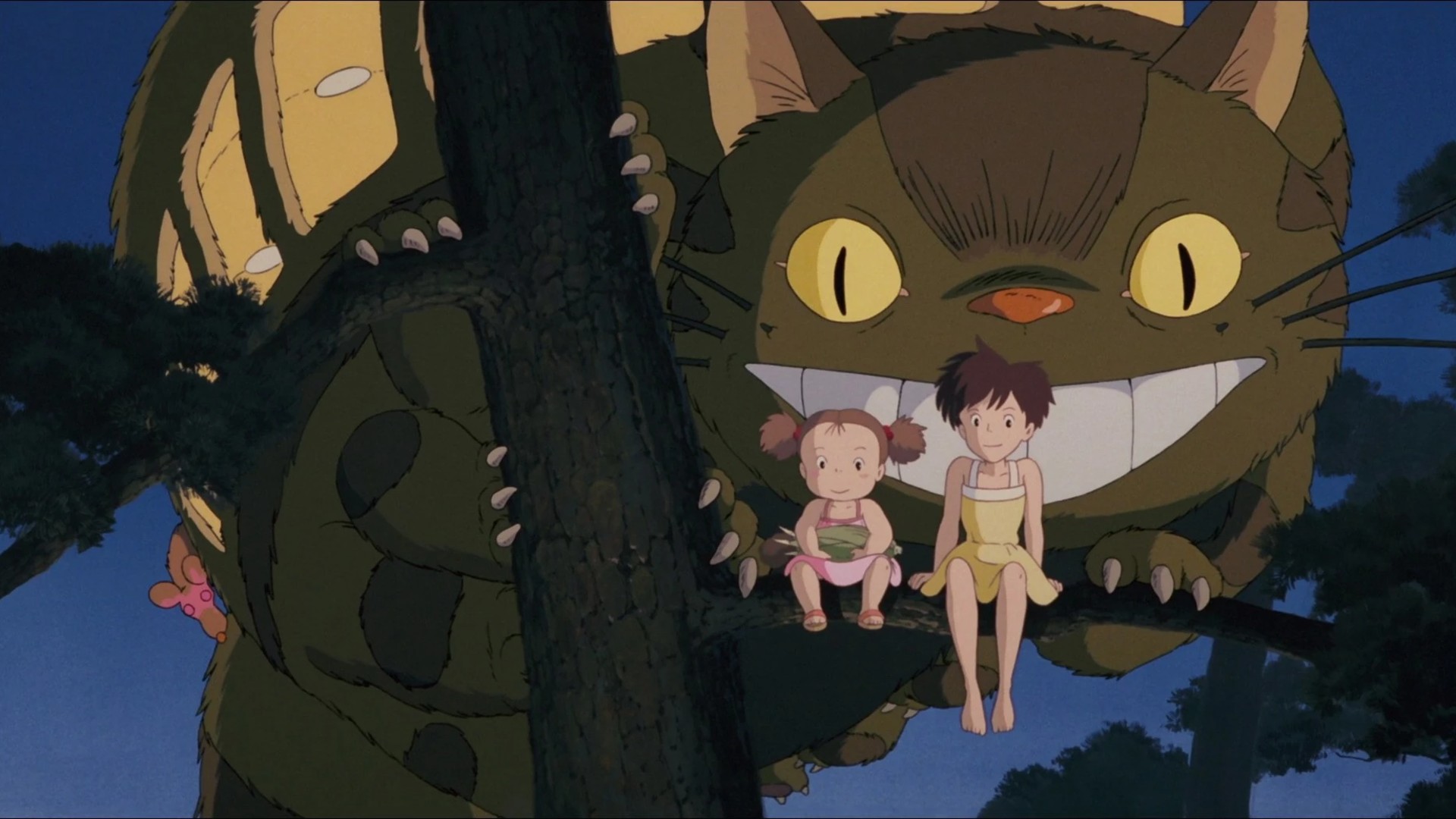
14. The Return of Mei – My Neighbor Totoro
Satsuki’s frantic search for her lost sister captures the panic of every older sibling or parent. When she finally finds Mei safe, the flood of relief is unstoppable. The tears here are not from sadness but the release of unbearable tension. The moment transforms from despair to joy in a heartbeat. It’s a reminder of how love amplifies both fear and happiness.
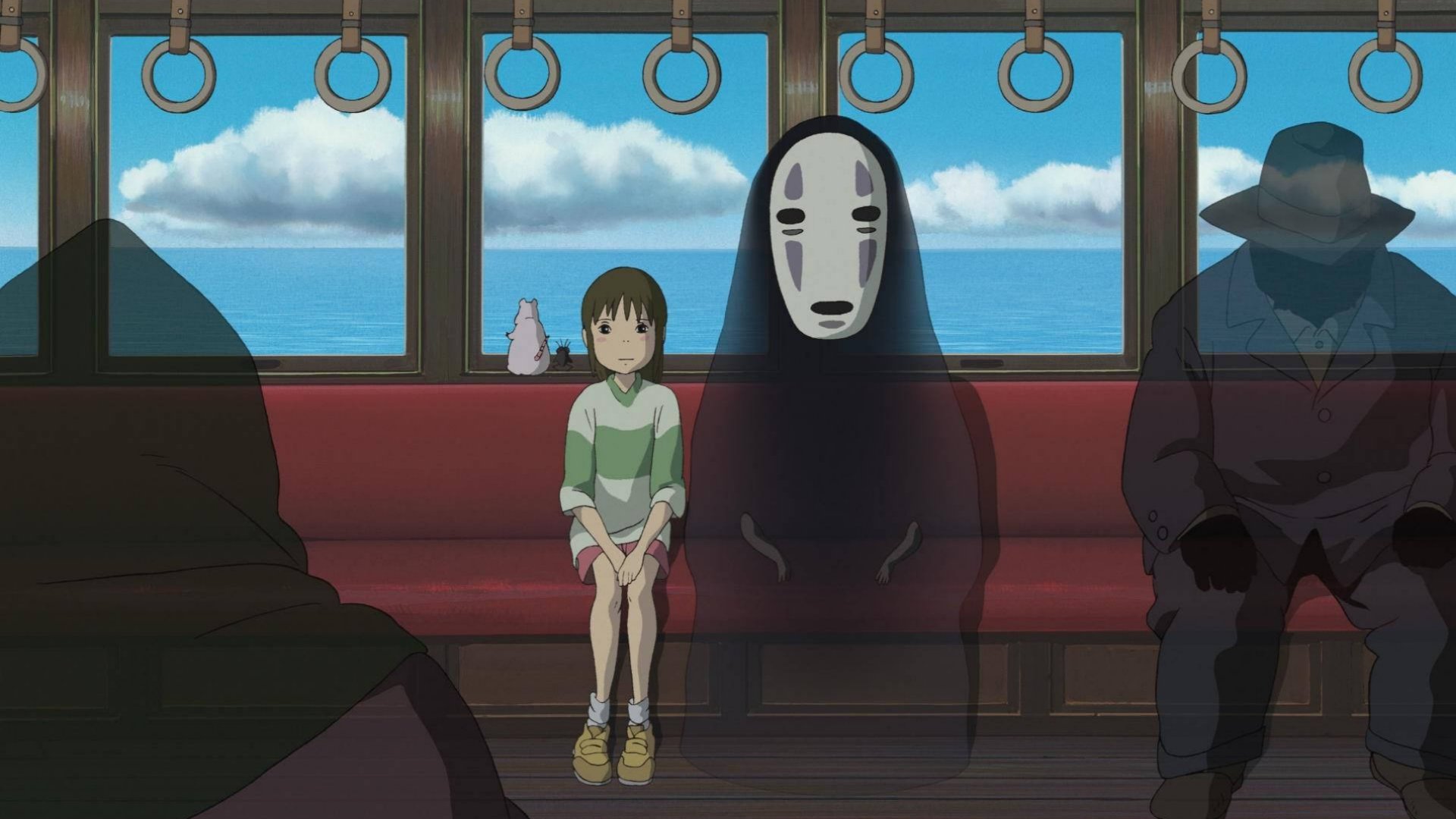
13. When No-Face is Rejected – Spirited Away
No-Face is perhaps the loneliest Ghibli character, and his rejection cuts deep. His desperate attempts to fit in, to give, to be loved, are all met with silence or fear. It’s unsettling, yet achingly human, who hasn’t feared being unwanted? Chihiro’s compassion toward him is the balm, but by then, the sadness has already hit. The character becomes a mirror for our deepest isolation.
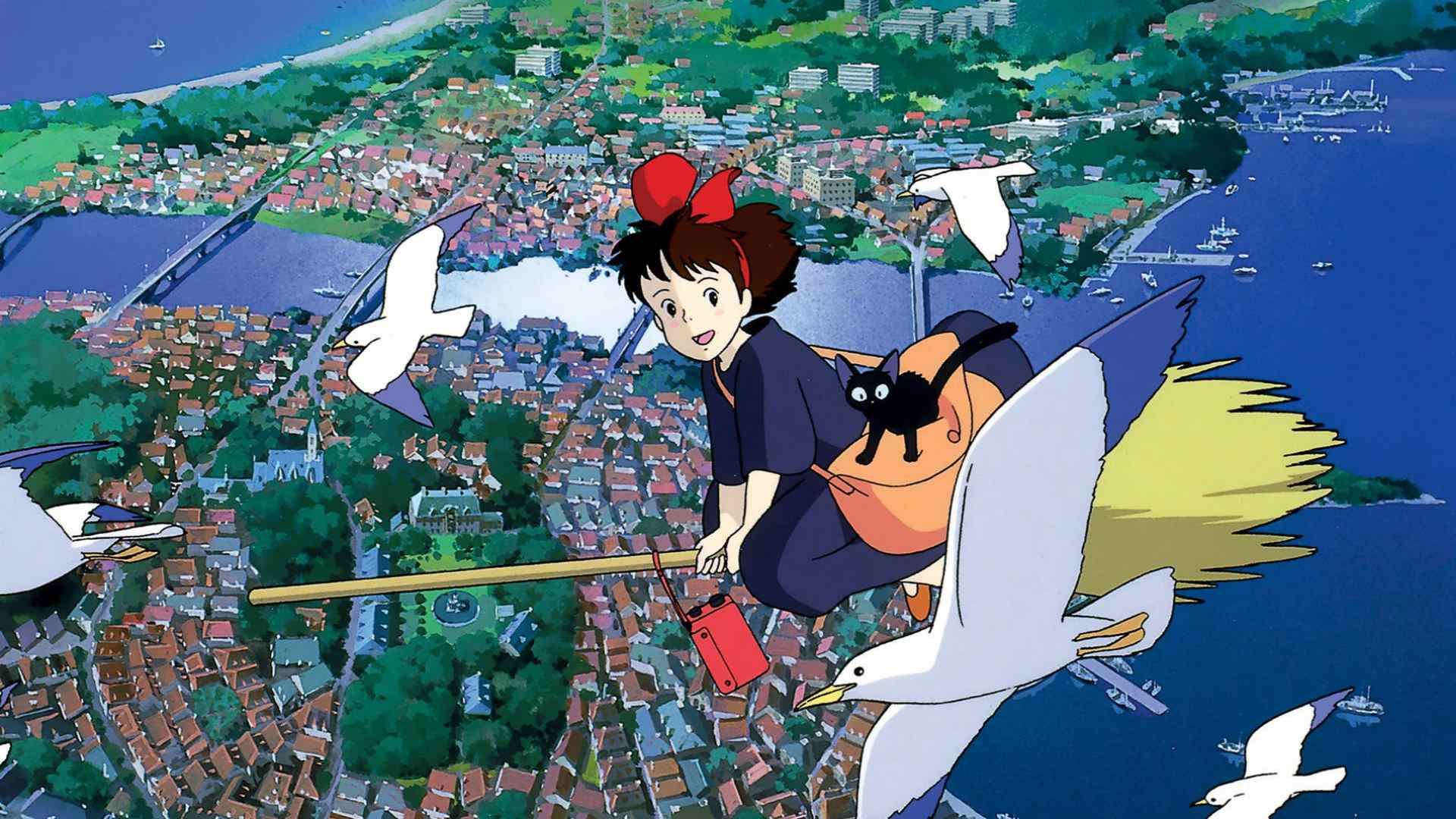
12. The Seagull Scene – Kiki’s Delivery Service
Kiki’s despair while sitting among the seagulls embodies loneliness in its purest form. Her magic, once effortless, has deserted her, reflecting the weight of self-doubt. For anyone who has ever felt like they’ve lost their spark, it’s painfully familiar. Watching her struggle to regain confidence is like seeing yourself mirrored on screen. The tears come not from spectacle, but from recognition of struggle.
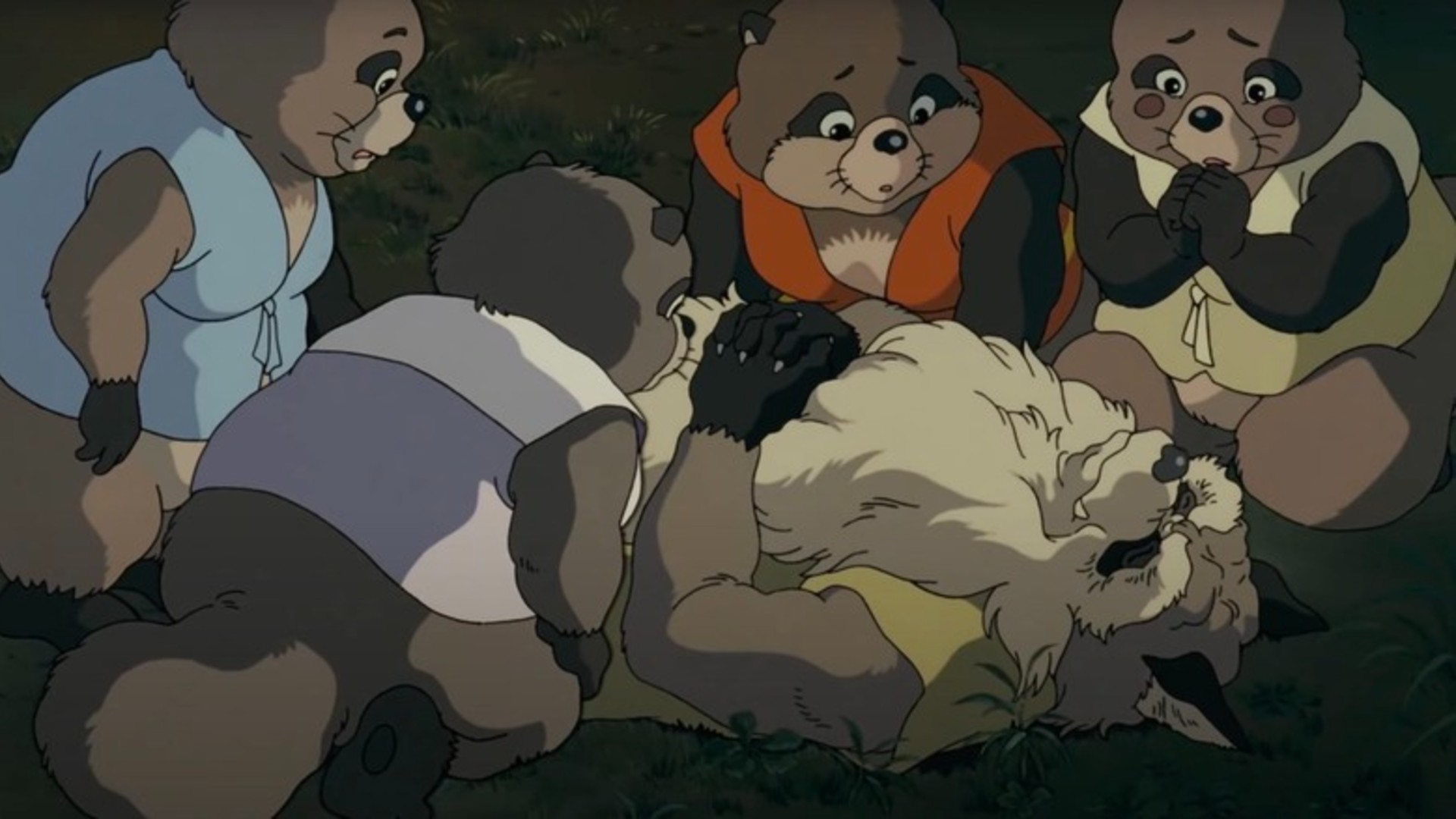
11. The Loss of the Tanuki – Pom Poko
The film’s playful tone crashes into grief as the tanuki lose their battle against urban expansion. Watching them vanish, one by one, is a sharp ecological cry. Their joy, mischief, and rituals suddenly feel fragile, swept aside by concrete. It’s not just about animals, as it’s about culture, memory, and survival. The film lingers in the gut, reminding us of what humanity so easily destroys.
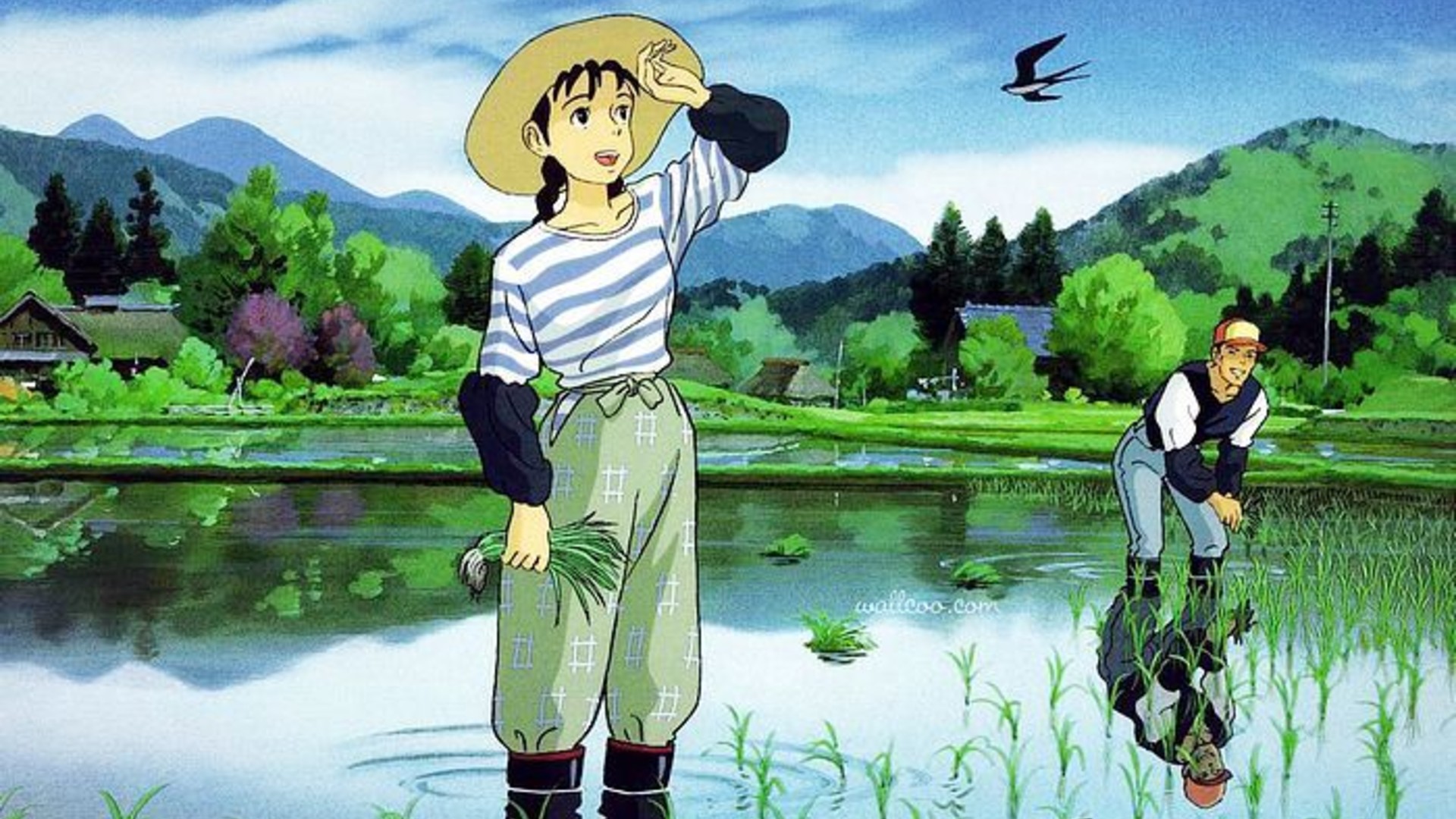
10. Taeko’s Flashbacks – Only Yesterday
Taeko’s memories of her childhood come like ghosts, tender, joyful, yet painfully distant. As she relives her awkward school days, she confronts the gap between who she was and who she is. The bittersweet ache of realizing time never rewinds is universal. It’s not a tragedy, but the melancholy of growing up. By the time the film ends, the tears are quiet but steady.
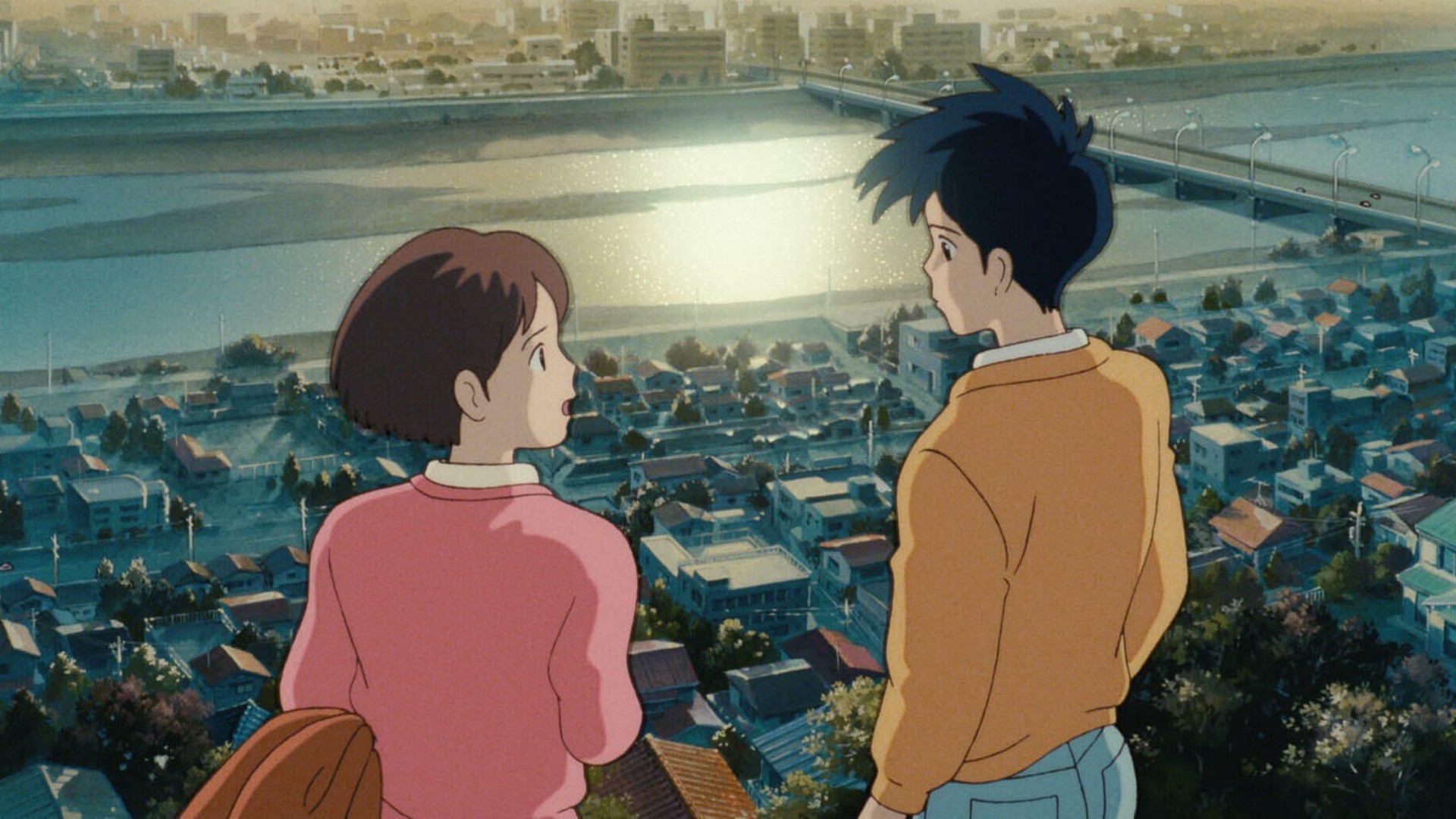
9. Shizuku Reading Seiji’s Letter – Whisper of the Heart
When Shizuku reads Seiji’s heartfelt letter, her emotions pour out in an unguarded rush. It’s not melodrama but the quiet power of first love, captured with honesty. For anyone who has ever been young and uncertain, this scene is painfully real. The beauty lies in its simplicity, two teenagers daring to dream. It makes us cry not out of sadness, but out of recognition.
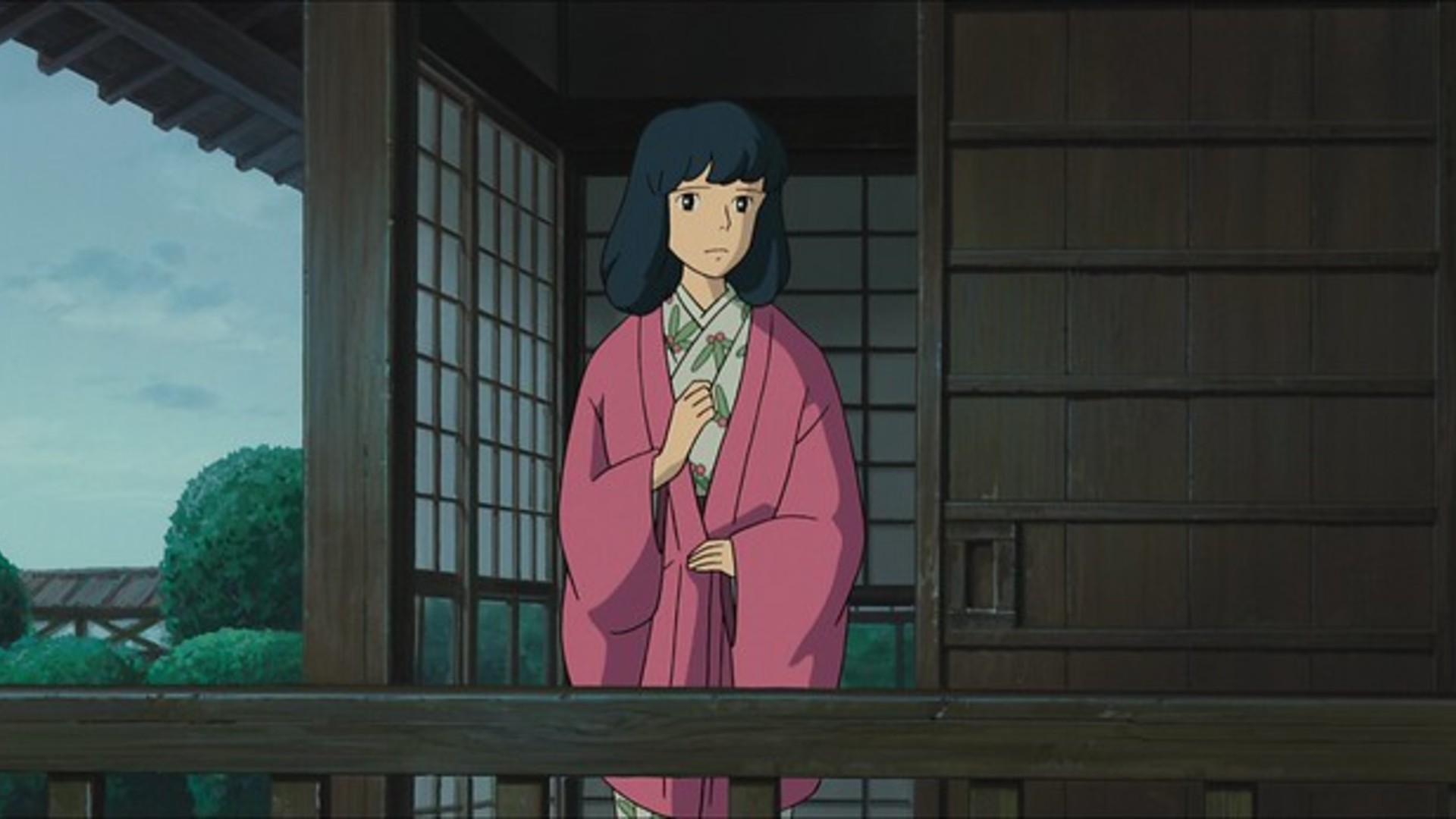
8. The Departure of Nahoko – The Wind Rises
Nahoko’s quiet farewell to Jirō is one of the most devastatingly subtle moments Ghibli has ever crafted. No loud tragedy, no drawn-out speeches, just a fading presence that leaves emptiness in its wake. The haunting stillness mirrors real loss, where words often fail. Jirō’s dreams afterward feel less like escape and more like mourning. It’s this restraint that breaks viewers’ hearts completely.
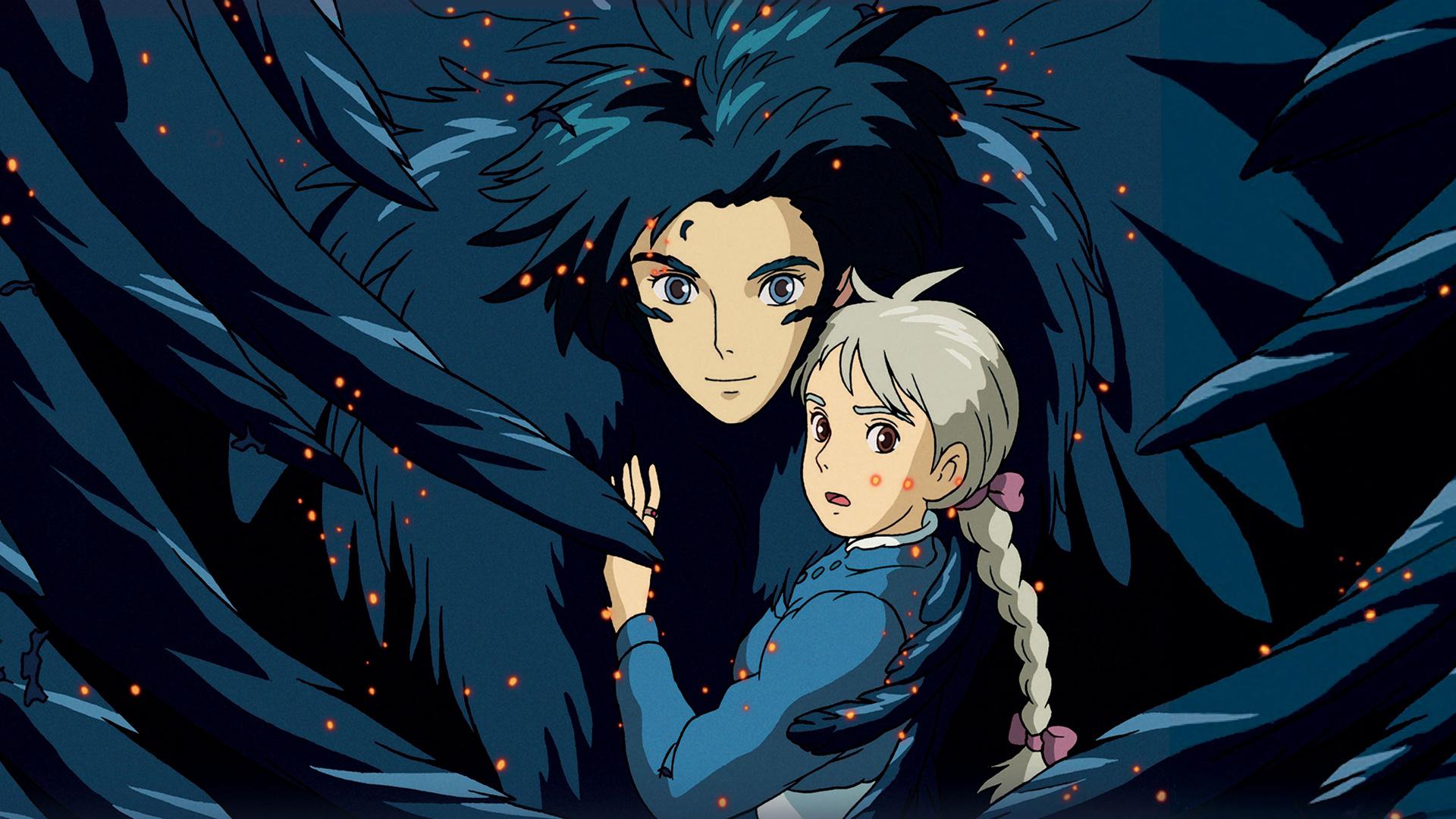
7. Sophie Confessing Her Love – Howl’s Moving Castle
Sophie’s declaration is more than just words, as it’s a release from years of self-doubt. Her love not only saves Howl but frees her from the curse of insecurity. The trembling sincerity in her voice carries both relief and courage. It’s a triumph, but one soaked in tears, because it’s about learning to believe in one’s own worth. That makes it a deeply human moment, hidden within fantasy.
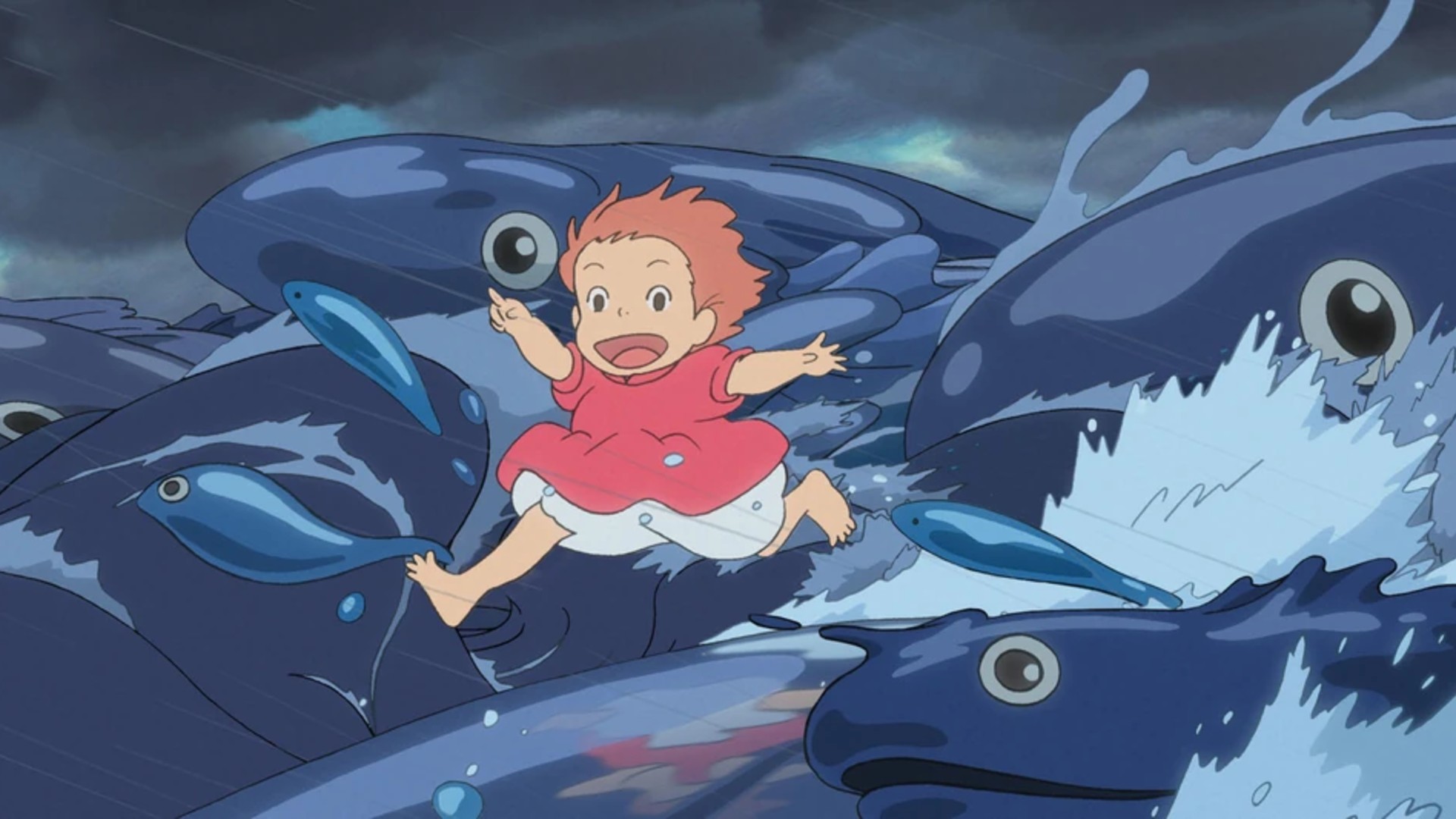
6. When Ponyo Almost Turns to Sea Foam – Ponyo
The danger of Ponyo dissolving back into the sea is heartbreaking. What began as a whimsical friendship suddenly carries the weight of loss. Sosuke’s desperate attempts to hold onto her feel like a child’s struggle against the inevitable. The magic of the scene lies in its fragility, because love is real but fragile, and even children must face that. The moment blends innocence with looming heartbreak.
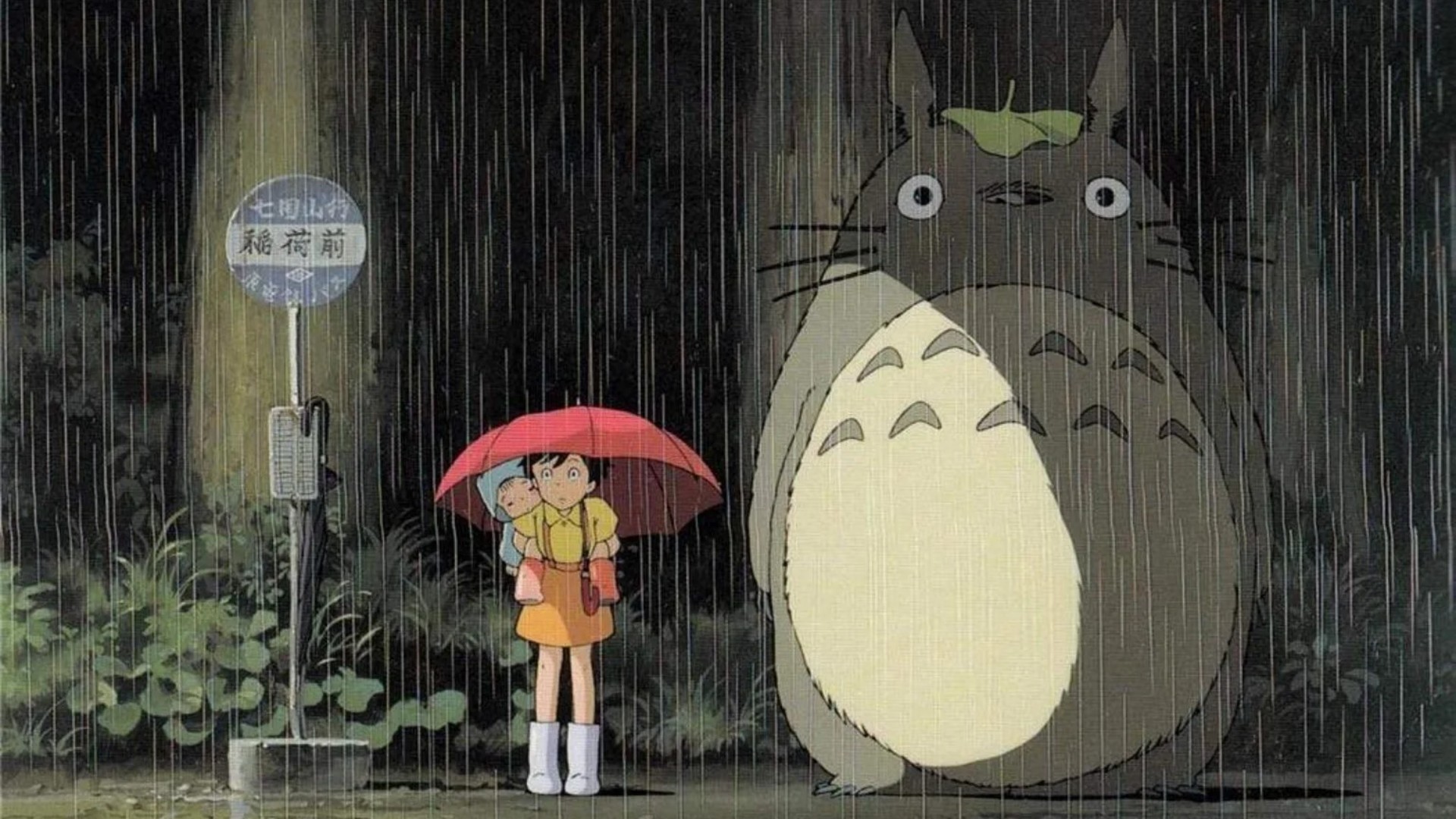
5. Totoro with the Umbrella – My Neighbor Totoro
This isn’t a sad moment at all, it’s joy so pure that it feels overwhelming. When Totoro stands with his giant grin, holding the umbrella, time seems to stop. The rain, the quiet bus stop, and the gentle kindness of the gesture all add up to something magical. Some tears aren’t of grief but of gratitude for witnessing innocence. That’s the power of Ghibli.
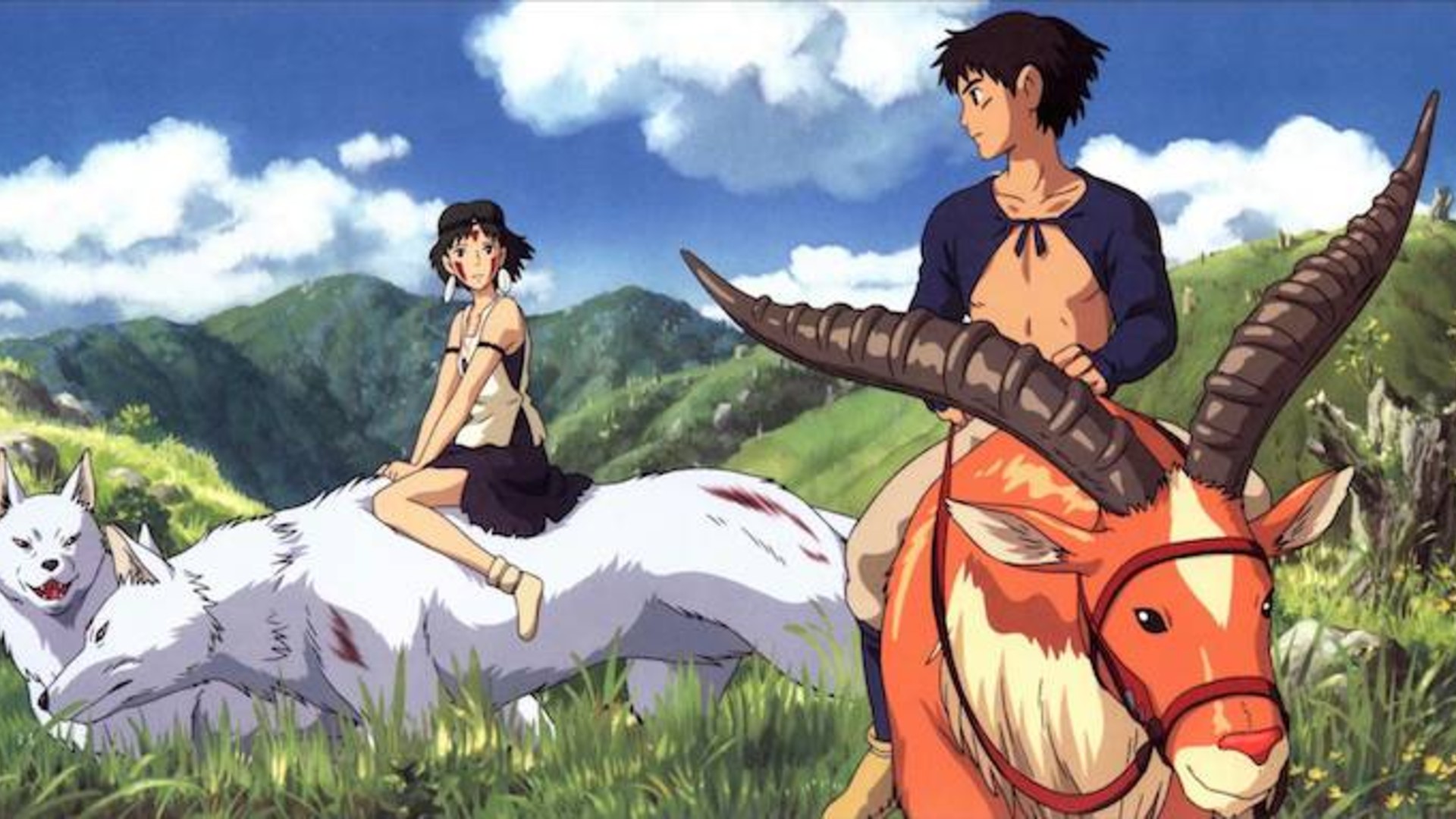
4. Ashitaka Saying Goodbye – Princess Mononoke
Ashitaka and San’s farewell is bittersweet. They love each other, yet they know their worlds don’t align. Instead of an easy happily-ever-after, the film chooses truth, because sometimes love means letting go. The strength in their parting words is almost harder than tragedy. It leaves viewers crying not from despair, but from the complexity of real love.
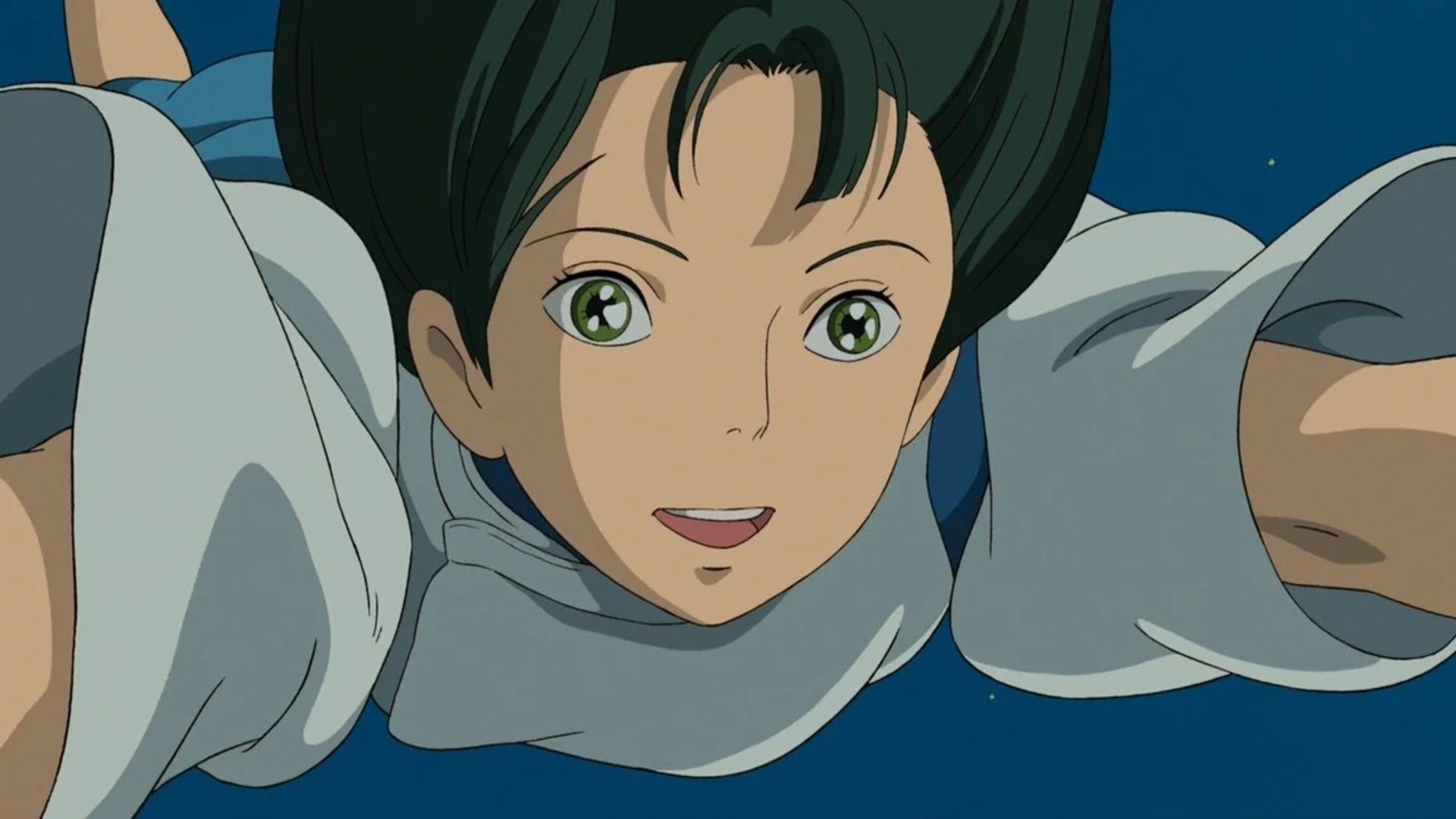
3. Haku Remembering His Name – Spirited Away
When Chihiro reminds Haku of his real name, the truth bursts through like sunlight breaking clouds. Years of being lost suddenly vanish in one whispered memory. The look of relief on his face, mixed with gratitude, is overwhelming. This isn’t just fantasy, as it’s a reminder of how identity and kindness can save us. That release makes it impossible not to tear up.
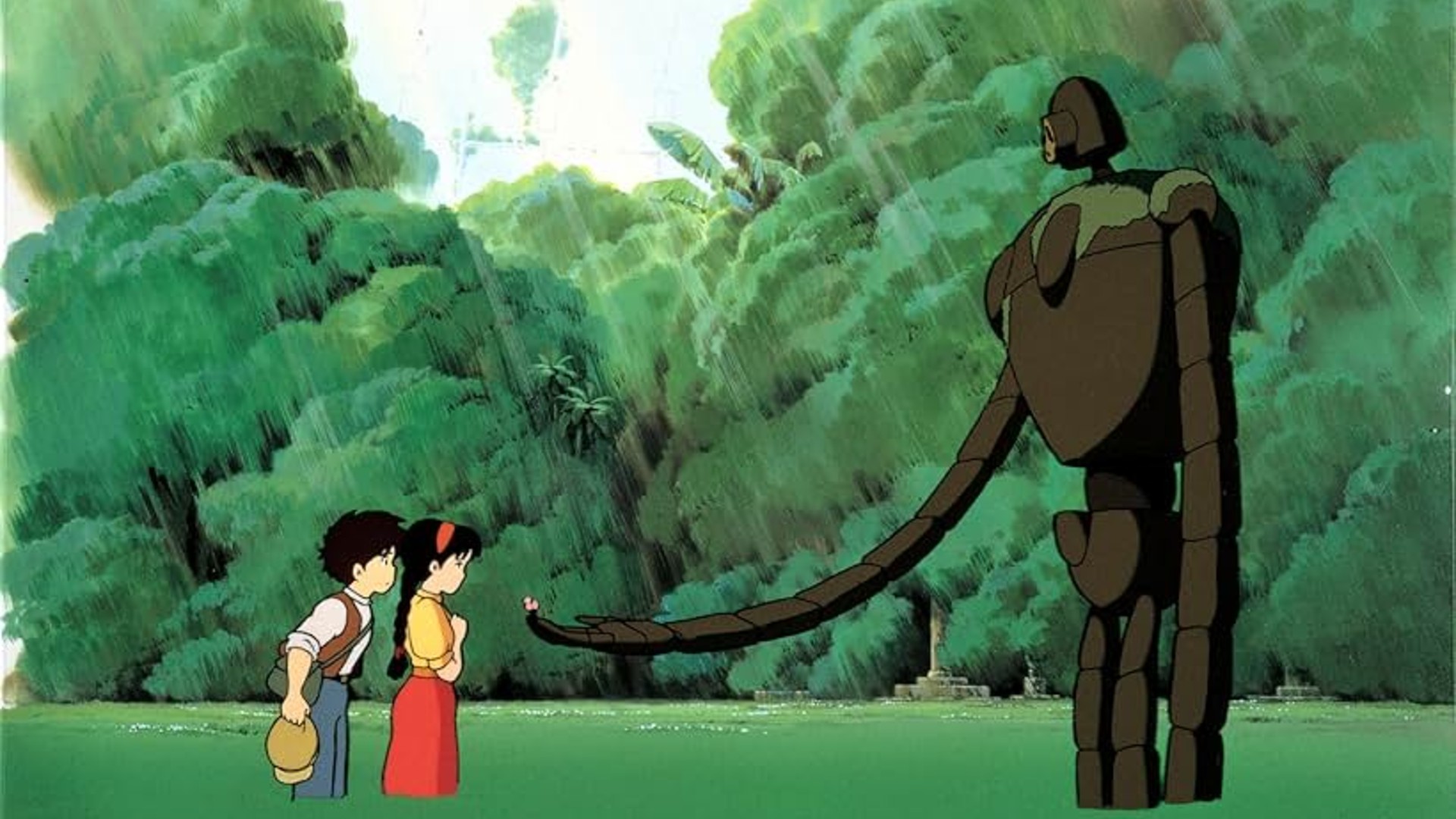
2. Sheeta and Pazu’s Escape – Castle in the Sky
Clutching each other as they leap into the unknown, Sheeta and Pazu embody both terror and hope. Their cry of “Balse!” as Laputa collapses around them is desperate but determined. What makes it powerful is not just the action but the deep trust between them. It’s love, friendship, and survival rolled into one. In that leap, audiences can’t help but cry with them.
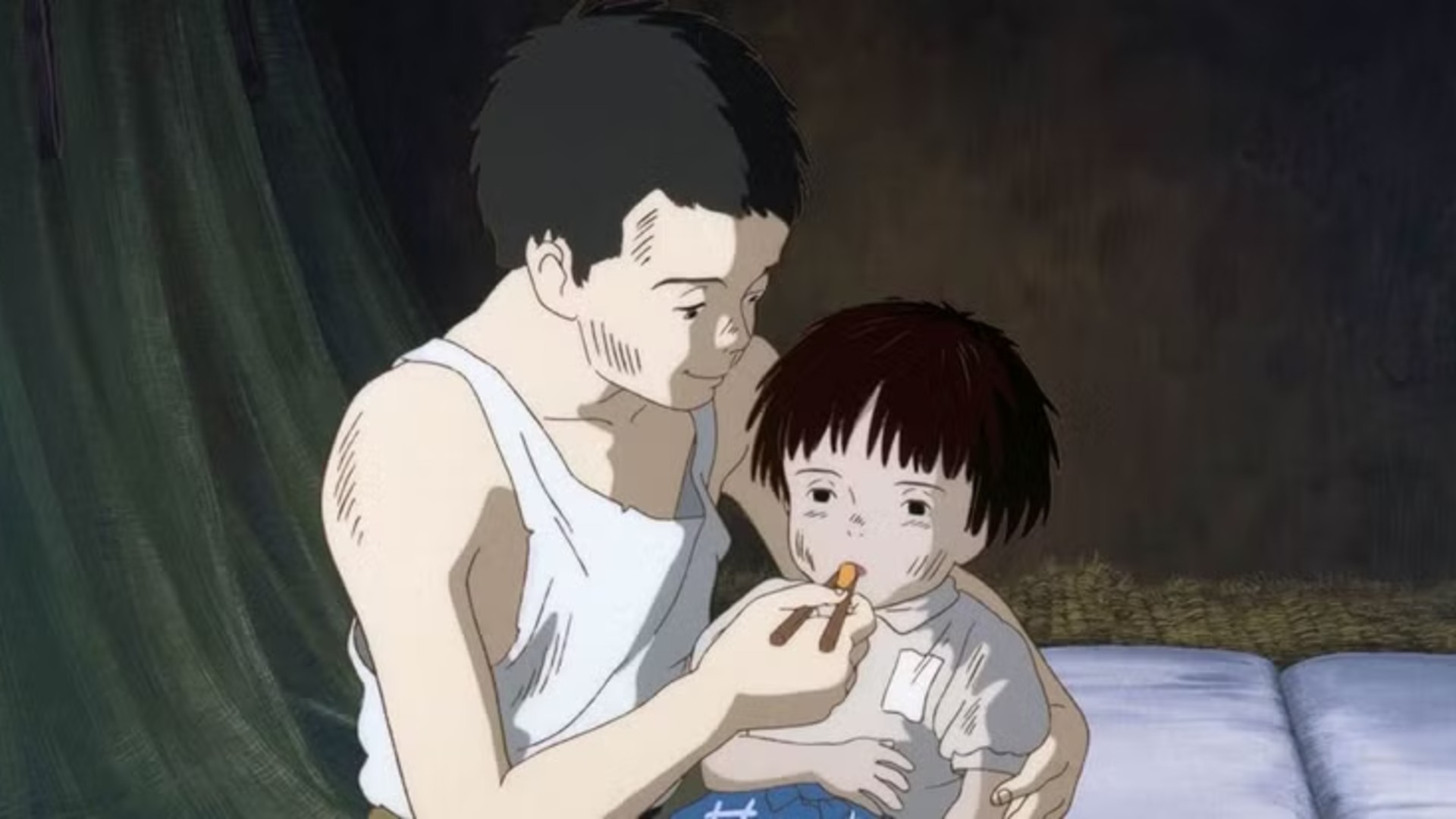
1. Setsuko’s Final Scene – Grave of the Fireflies
Few moments in animation history hit as hard as Setsuko’s quiet passing. Watching her fade while still clutching small joys, like food and play, is unbearable. It’s not just her death but the innocence lost in wartime Japan that leaves viewers shattered. The film refuses to sensationalize; it simply shows the truth. That honesty is why tears always flow here.