25 Best Cameos And Easter Eggs In LOTR & Hobbit Films
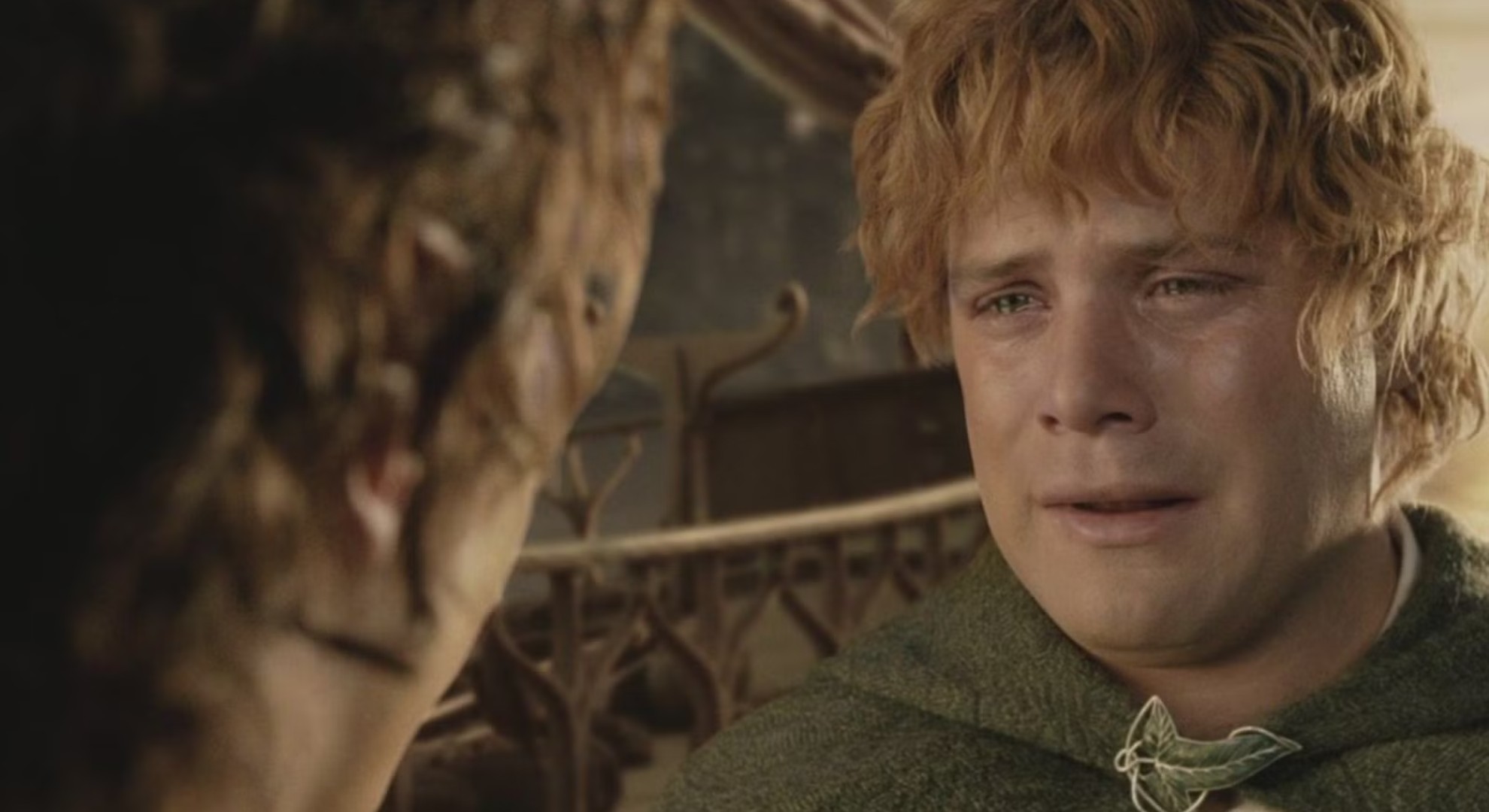
25. Closing Book Nod — “Well, I’m back.”
The Return of the King closes with Sam’s line “Well, I’m back," which is a direct lift from Tolkien’s final words in the book that offers a textual payoff for purists. Using that exact line was a deliberate choice by Jackson and the screenwriters to anchor the film’s ending in Tolkien’s original emotional cadence and provide a book-to-screen recognition moment.
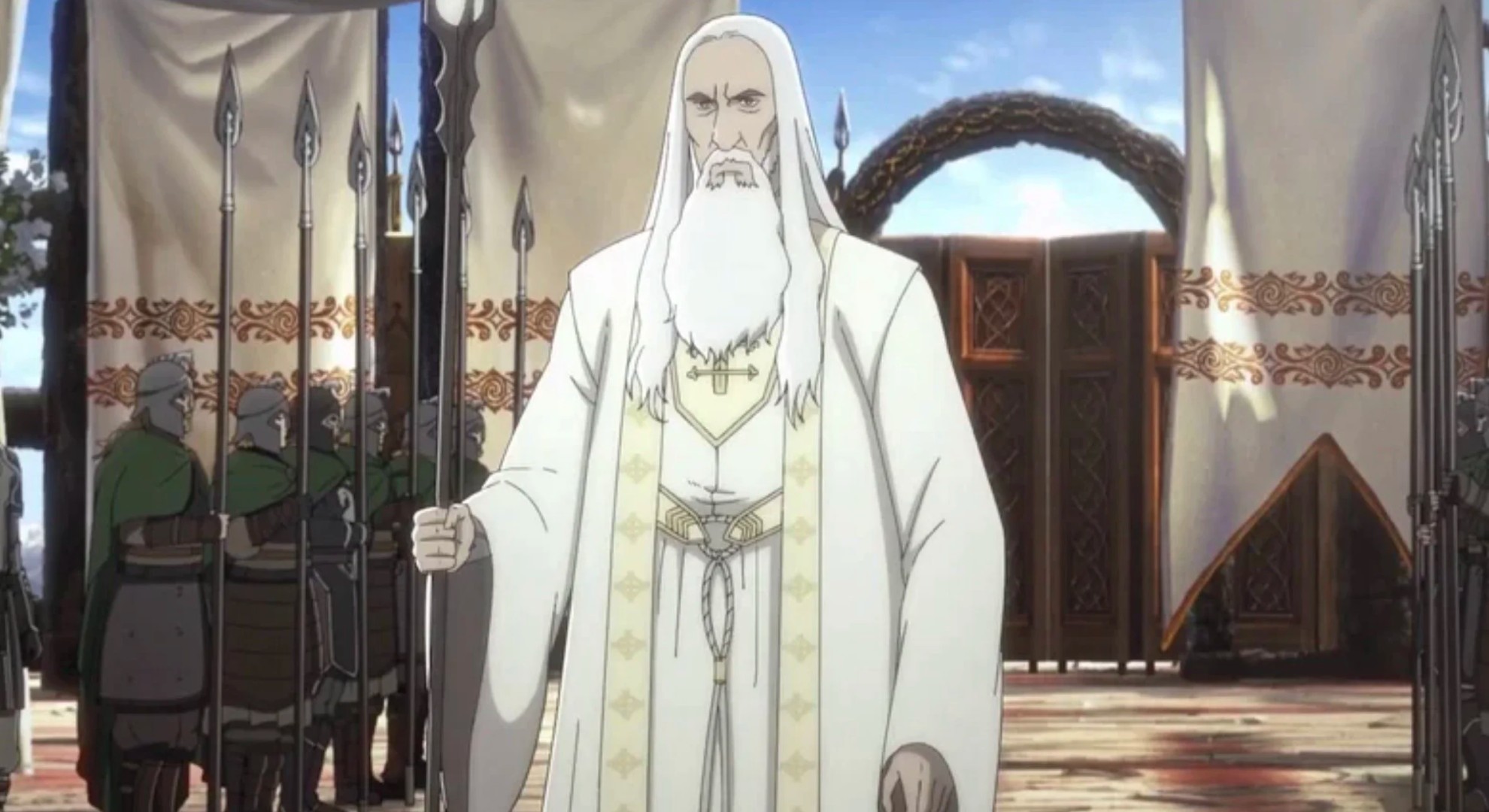
24. Christopher Lee’s Passionate Presence (A Living Link to Tolkien)
Christopher Lee (Saruman) was famously the only principal cast member who had met J.R.R. Tolkien in real life; Lee’s reverence and knowledge of Tolkien informed his performance and on-set conversations. His deep familiarity with the source made him a kind of living Easter egg; his reading and cadence frequently referenced Tolkien’s tone and gravitas.
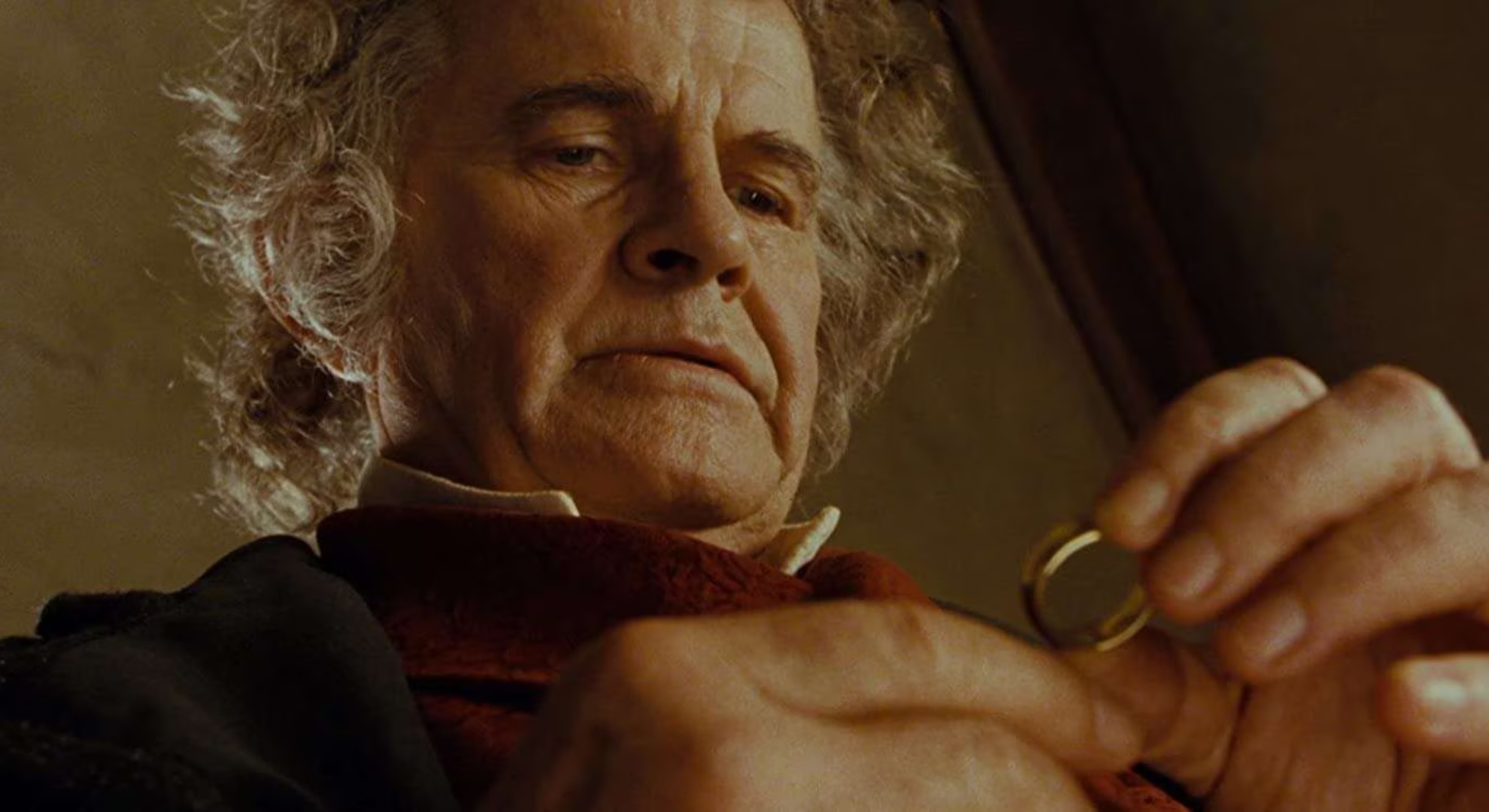
23. Bilbo’s Old Took Portrait (Character Backstory)
The portrait of Old Took in Bag End and the domestic décor in Bilbo’s home reflect the film team’s effort to visually encode Bilbo’s family history and his “Tookish” adventurous streak. These set details support Gandalf’s teasing lines about Bilbo’s heritage and highlight the filmmaker’s close reading of the book’s genealogical hints.
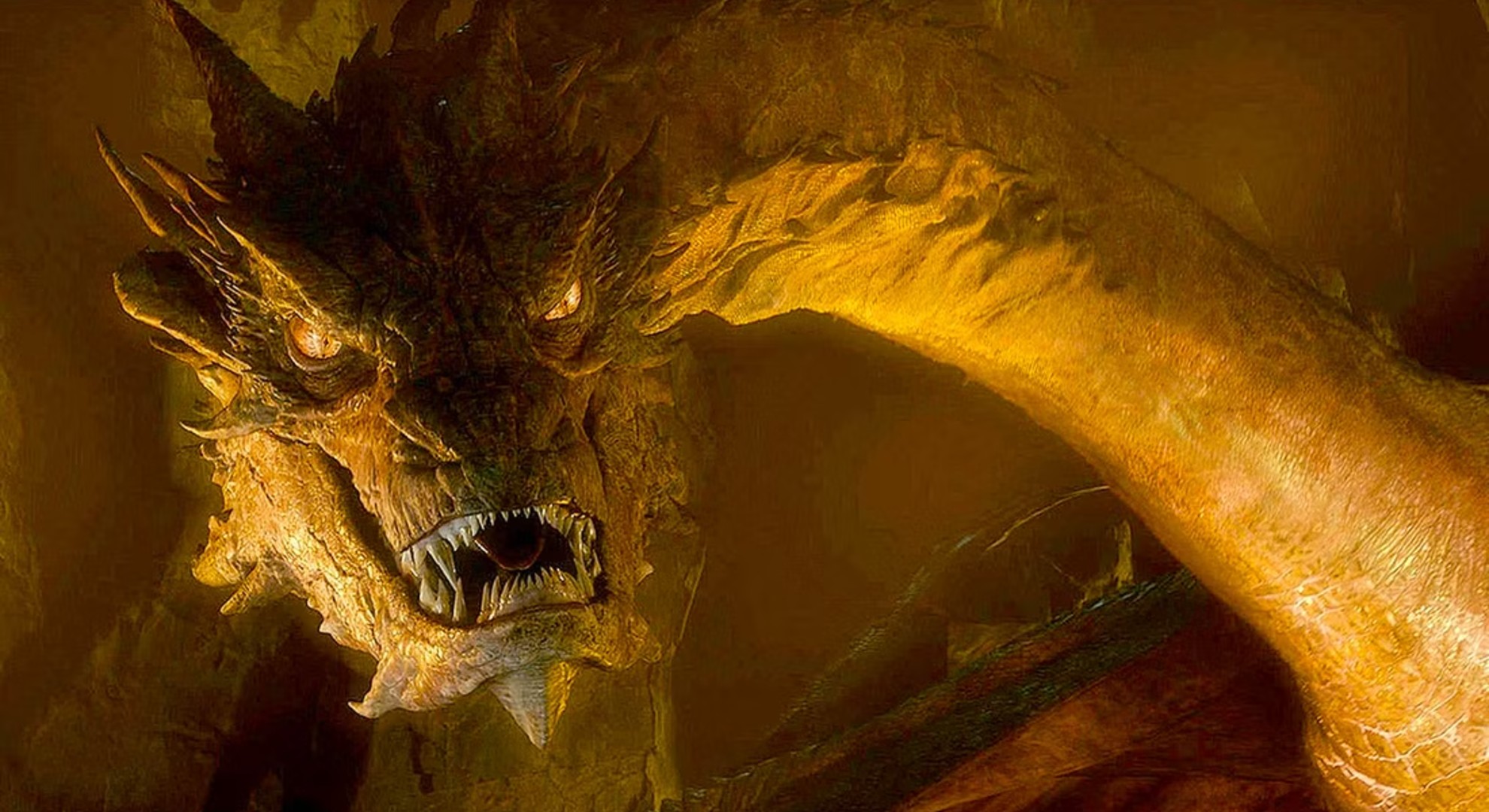
22. Smaug’s Treasure References (Careful Prop Work)
Weta Workshop filled Smaug’s hoard with objects that echo Tolkien’s wider legendarium, carefully designed coins, relics, and jewelry with nods to Númenórean styles and descriptions of the Arkenstone. Prop artisans used distinct motifs to make the hoard feel deep, layered, and like reclaimed history instead of generic bling.
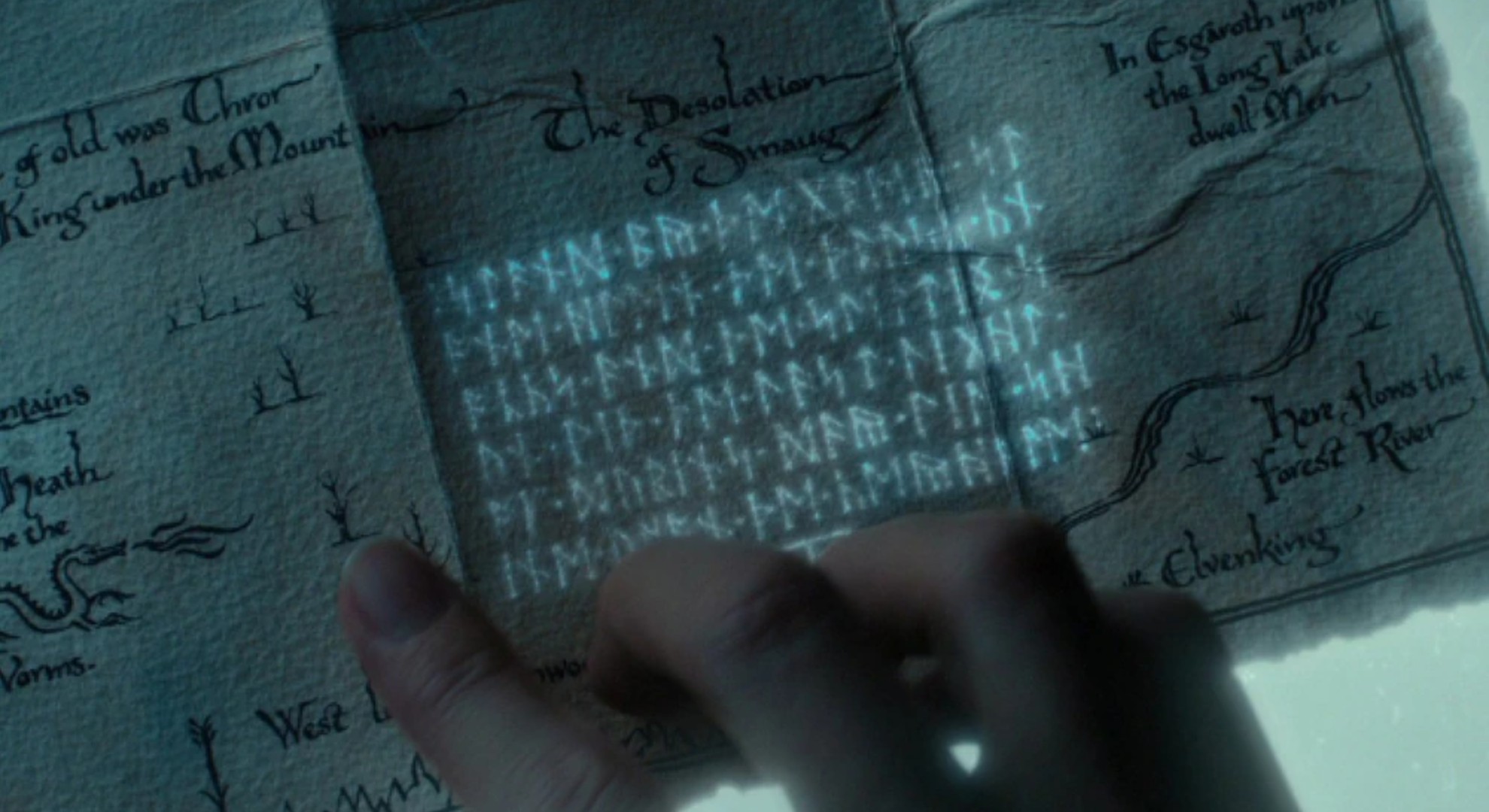
21. The Hidden Map Rune Glow (Practical Effect + Lore)
The “moon-runes” on Thorin’s map that glow under specific light in An Unexpected Journey were an on-set practical/CG blend that visually rewarded viewers who knew the book scene: it communicates dwarven calendrics and secret knowledge, and the production deliberately made the runes legible enough for dedicated fans to pore over.
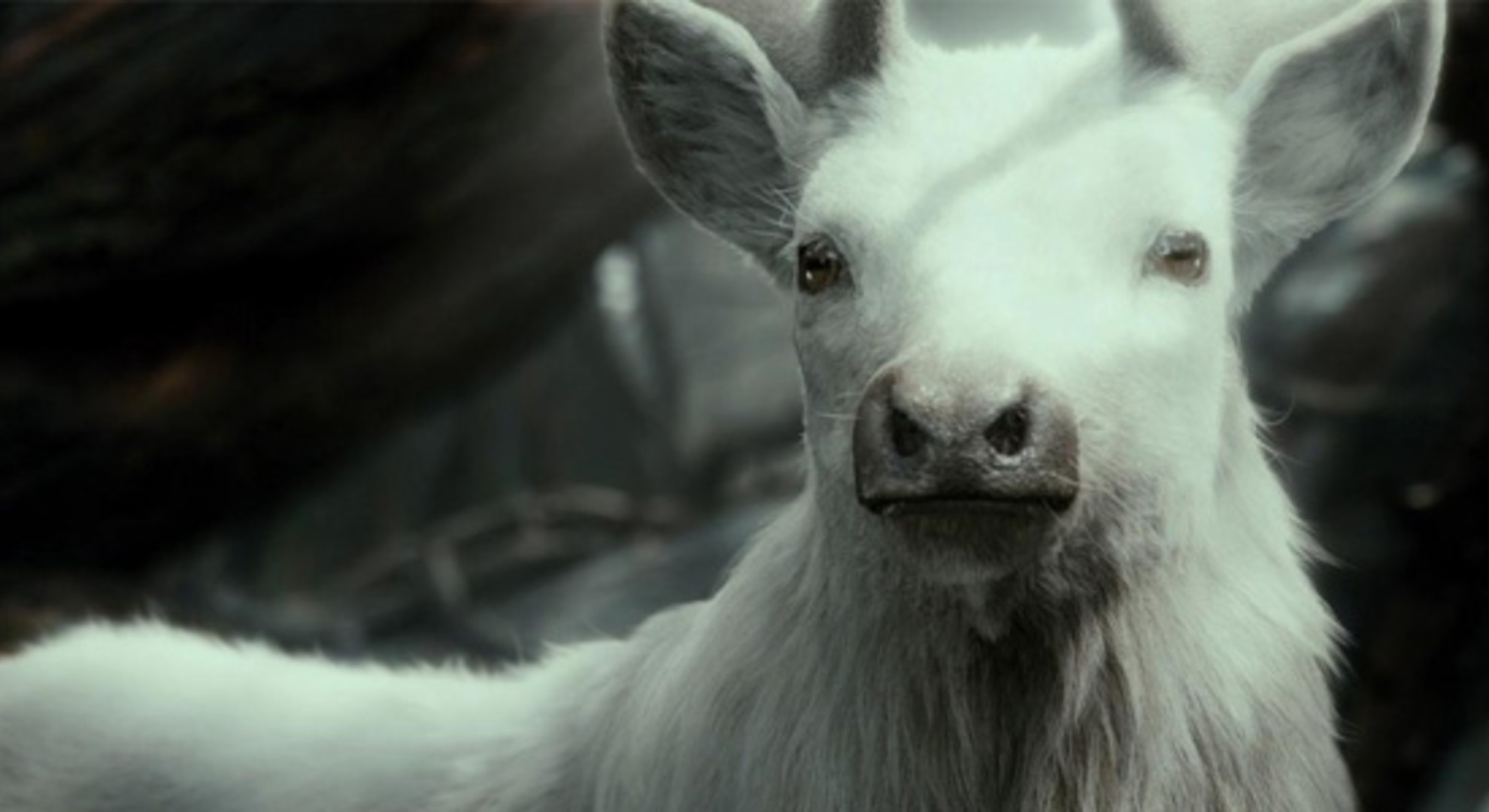
20. The White Stag in Mirkwood (Symbolic Nod)
The fleeting white stag glimpsed by Thorin’s company in Mirkwood visually nods to Tolkien’s recurring use of white animals as fate-signs or omens (white hart/manes in mythology). It’s a small, poetic image the filmmakers used to evoke the legendarium’s symbolic language rather than to deliver concrete plot information.
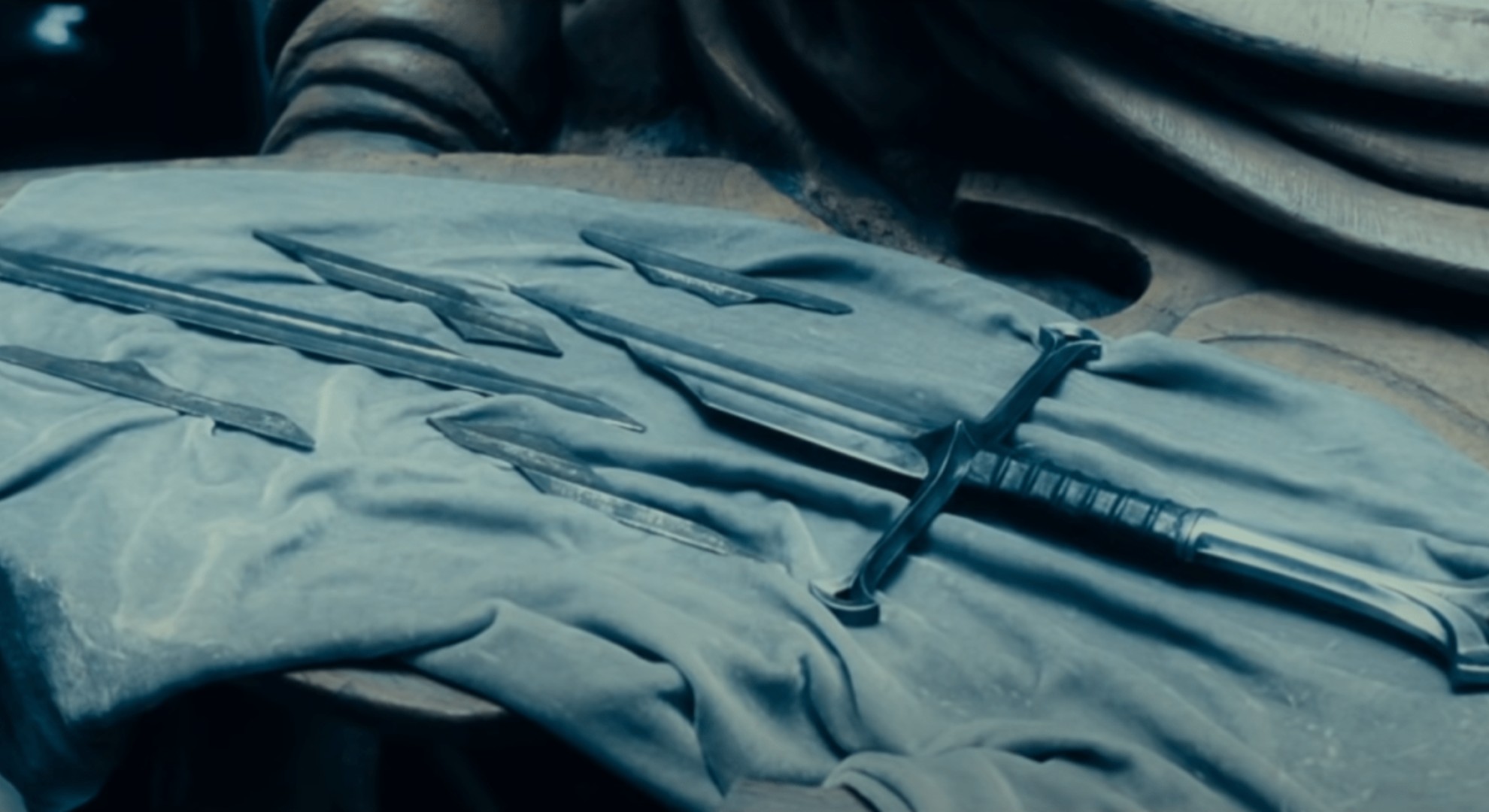
19. The Shards of Narsil Detail (Foreshadowing)
The splintered blade of Narsil is displayed in Rivendell and given close-ups to emphasize its symbolic weight: viewers familiar with the books recognize both Elendil’s broken sword and the future reforging into Andúril, a visual promise of Aragorn’s coming identity. The prop’s weathering and rune details were treated carefully by the prop department to signal legitimacy to Tolkien fans.
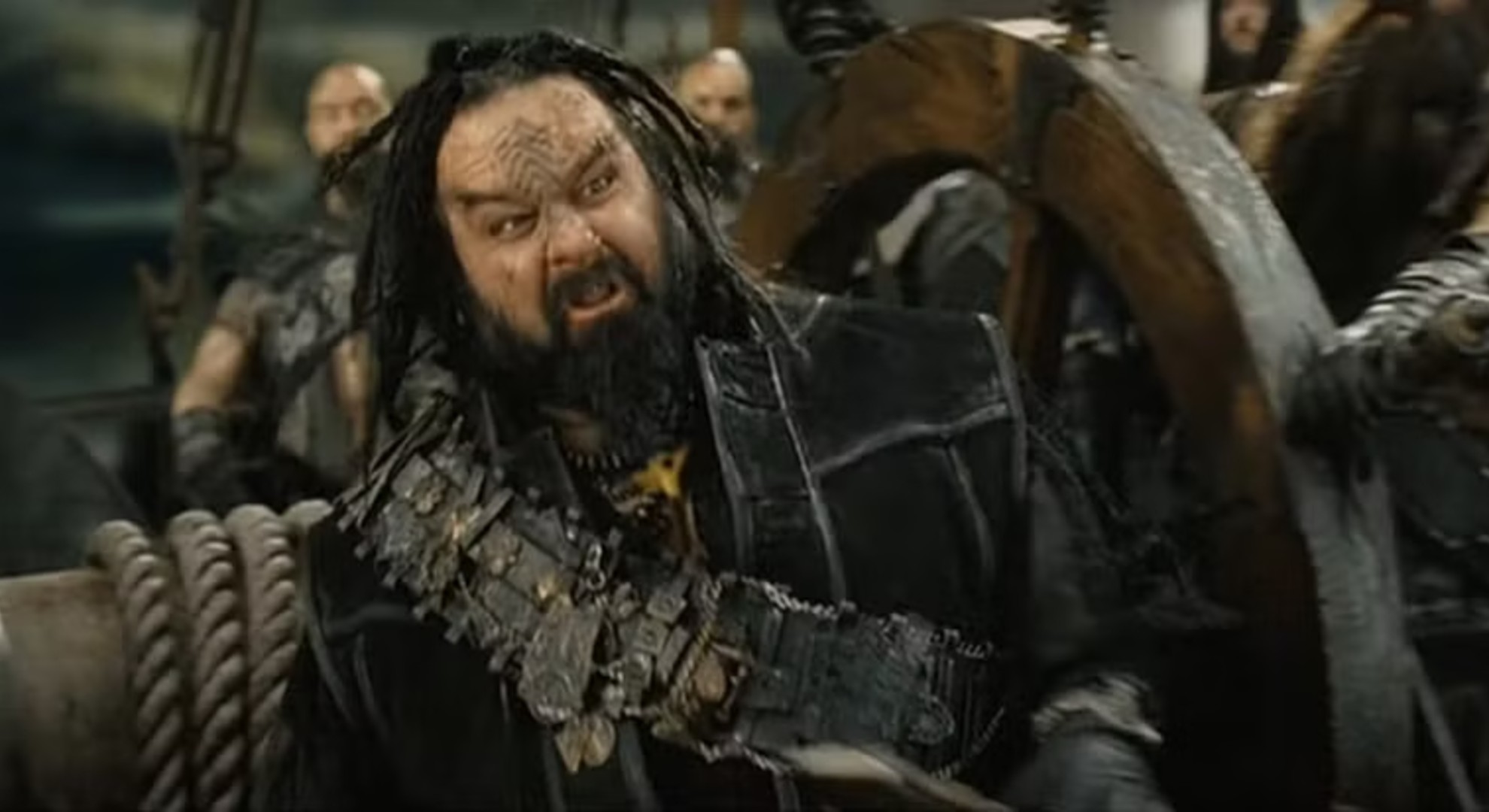
18. Jackson’s Cameo as a Corsair
Peter Jackson appears briefly (and more noticeably in the extended edition) as one of the Corsairs of Umbar during Return of the King’s naval/Umbar sequences. That cameo is another instance of Jackson placing himself in large set-pieces, a playful director’s signature that also shows up in deleted/extended footage.
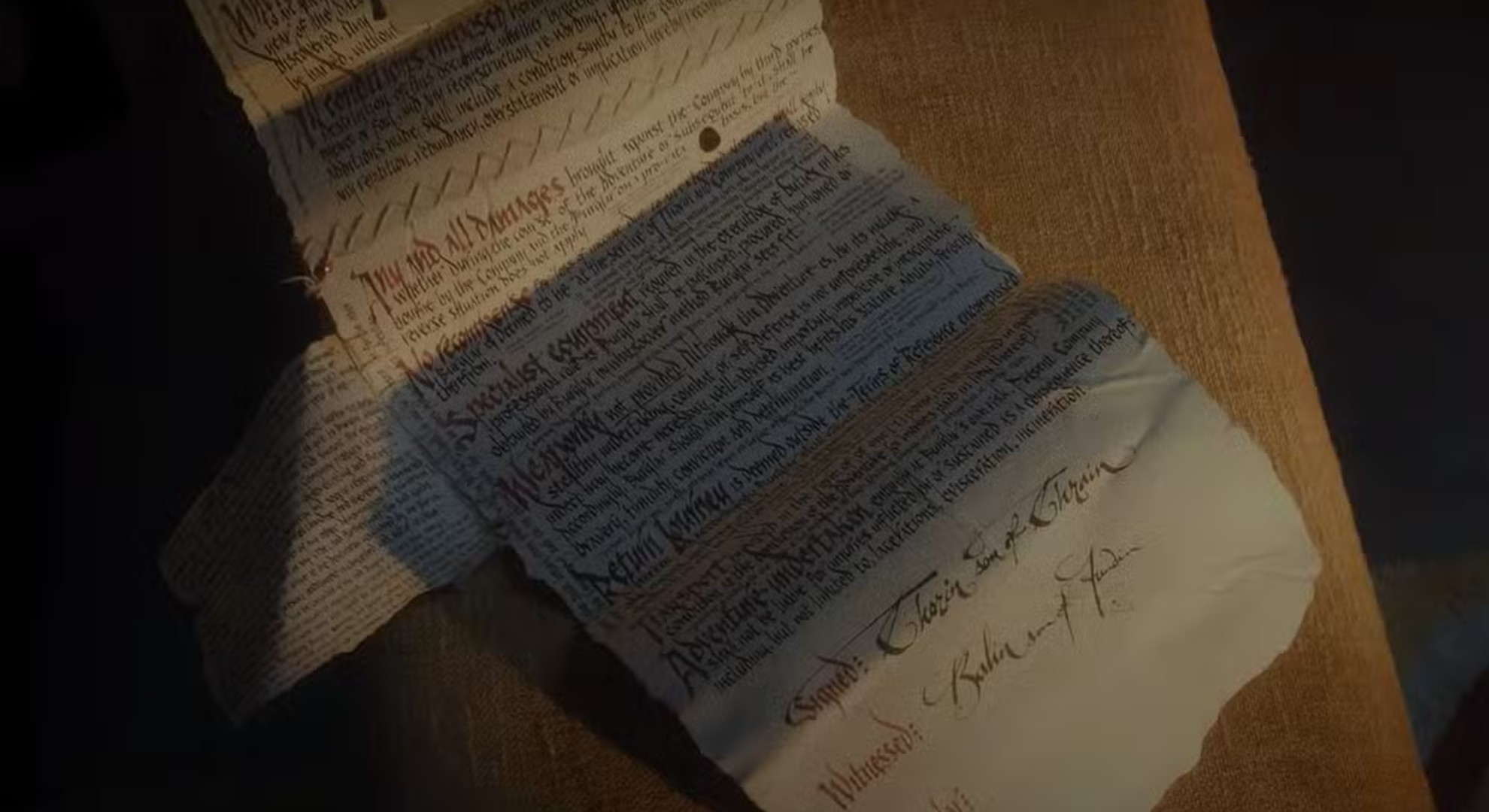
17. Bilbo’s Contract Hidden Joke
Bilbo’s contract in An Unexpected Journey contains amusing, anachronistic legal-sounding clauses (funeral provisions, dragon-sickness clauses) purposely written by the film’s writers and prop department to reward close readers. Jackson’s propmasters are known for stuffing documents with backstory details, and fans often pause frame-by-frame to read these tiny bits of worldbuilding.
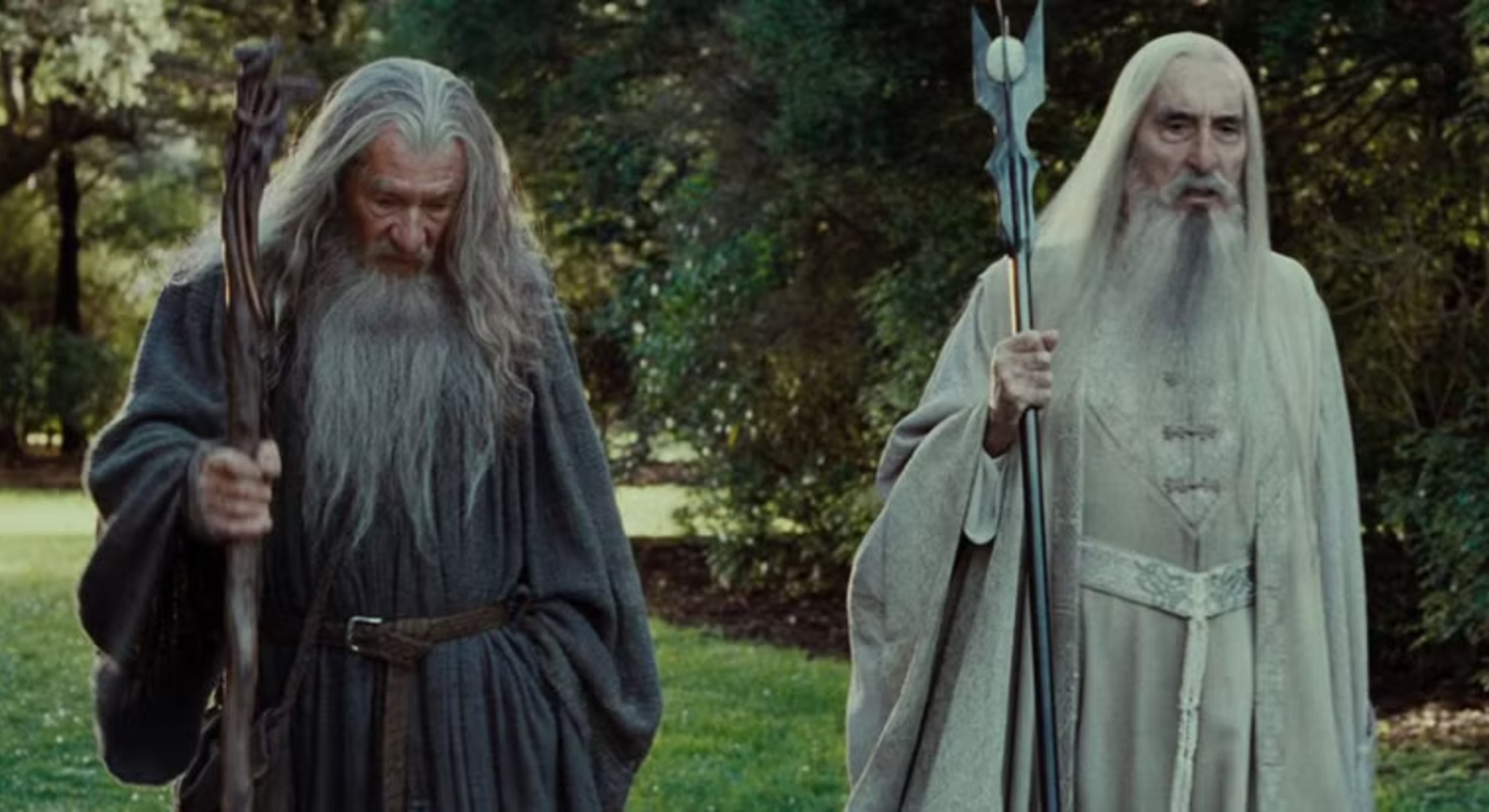
16. Saruman’s Reference to The Shire (Thematic Echo)
Lines where Saruman dismisses the Shire as “insignificant” function as deliberate thematic foreshadowing: the films lean on that contradiction, great events stemming from humble places, to mirror Tolkien’s central theme that smallness can thwart power. The film scripts and performances emphasize this irony, making Saruman’s scorn feel like an intentional narrative Easter egg to book readers.
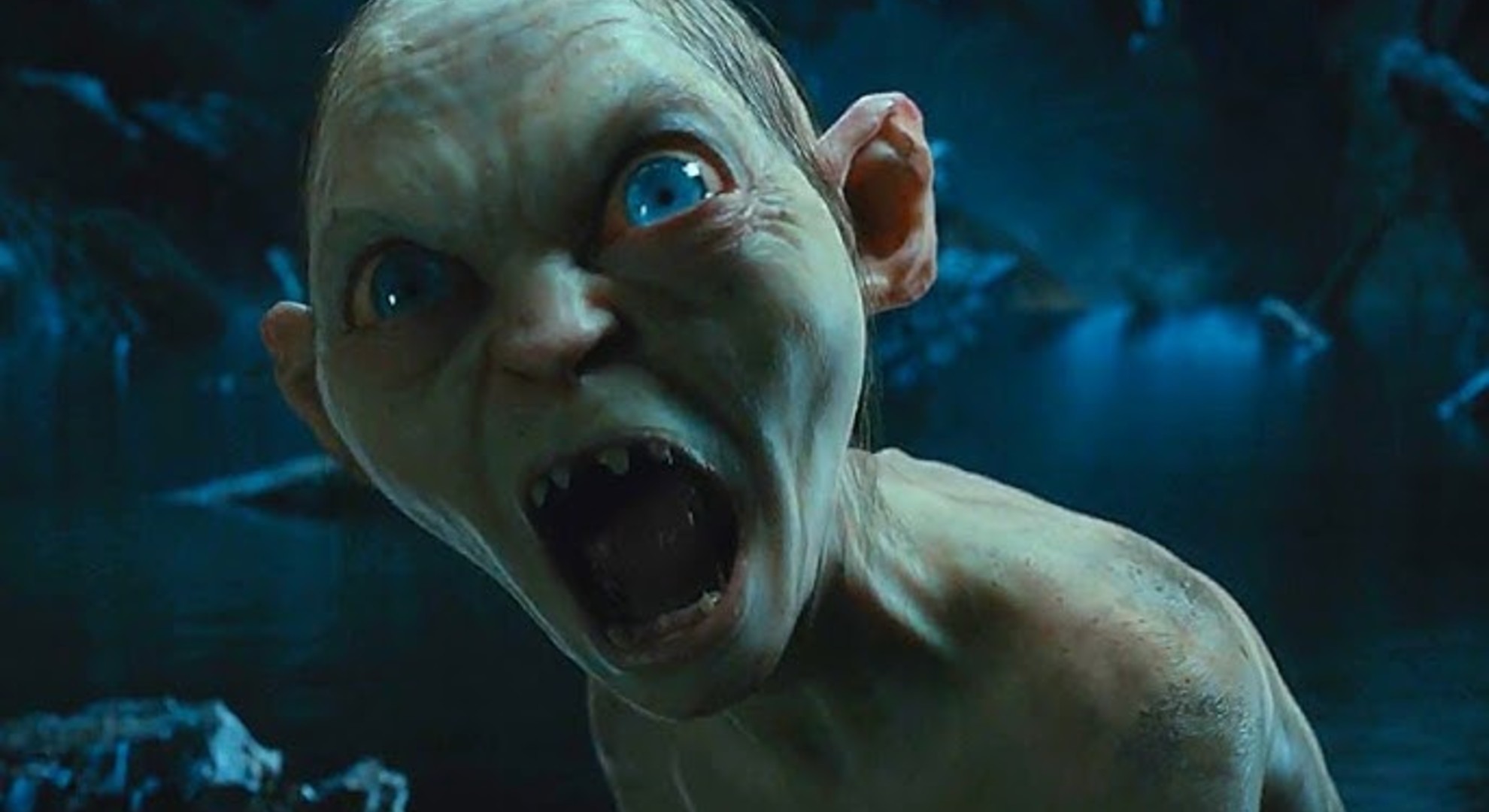
15. Gollum’s Sneaky Hobbit Cameo (Audio/Voice Tease)
In The Desolation of Smaug, there are layered audio moments and editing choices (and in extended scenes) that throw in faint references to Gollum’s voice or obsession when rings/precious items are nearby. These are editing and sound cues intended to remind viewers of the Ring’s corrupting presence even when Gollum himself is offscreen.
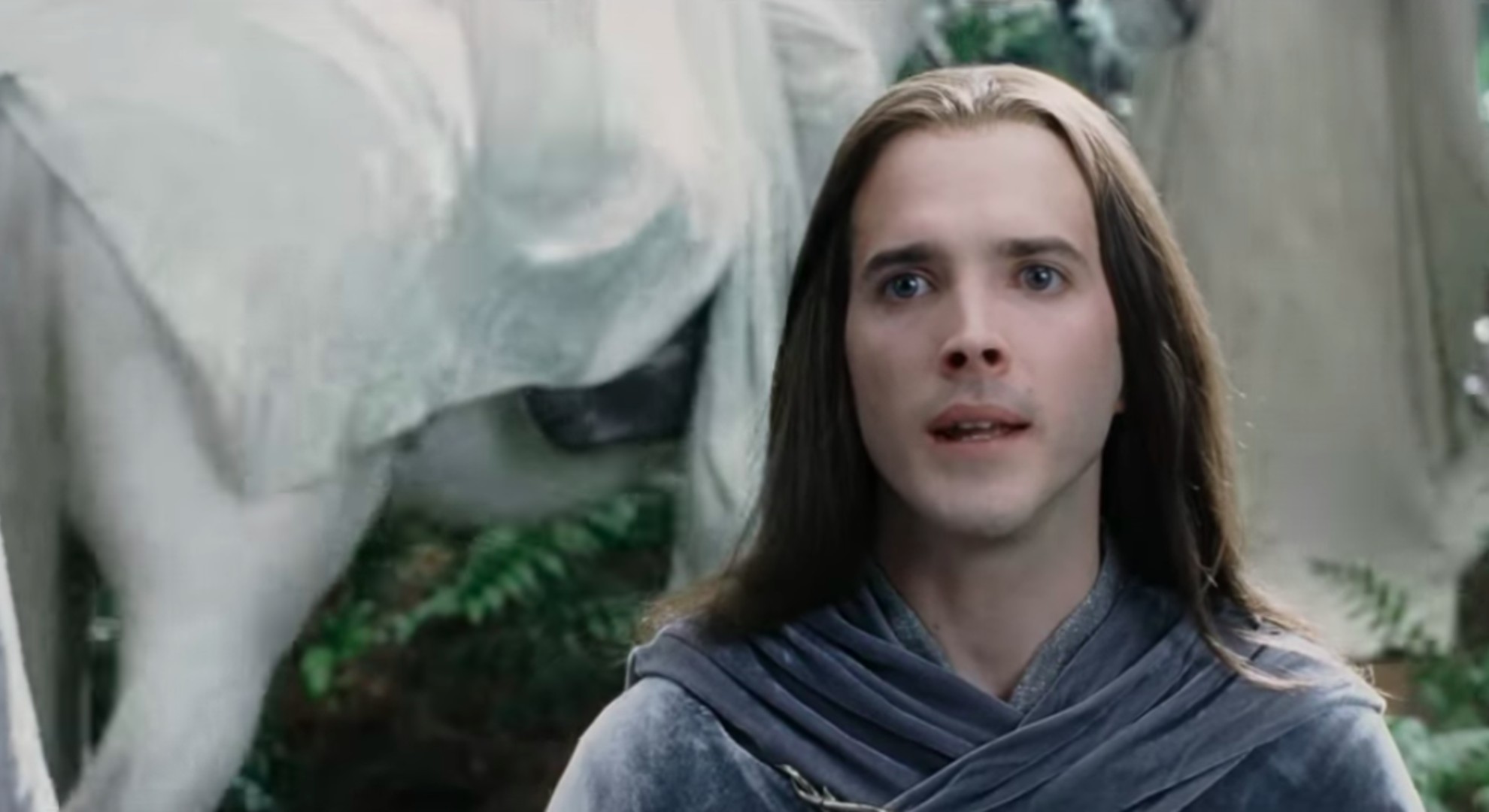
14. Hidden Cameo of Bret McKenzie (Figwit to Lindir)
Bret McKenzie (Flight of the Conchords) was an extra in Rivendell who fans dubbed “Figwit” (an acronym for “Frodo is great…who is that?”). Due to the unexpected fandom around that silent elf, Jackson gave McKenzie a slightly expanded presence later (credited as an Elf Escort) and later cast him as Lindir in The Hobbit. It’s a great example of fan culture influencing production choices.
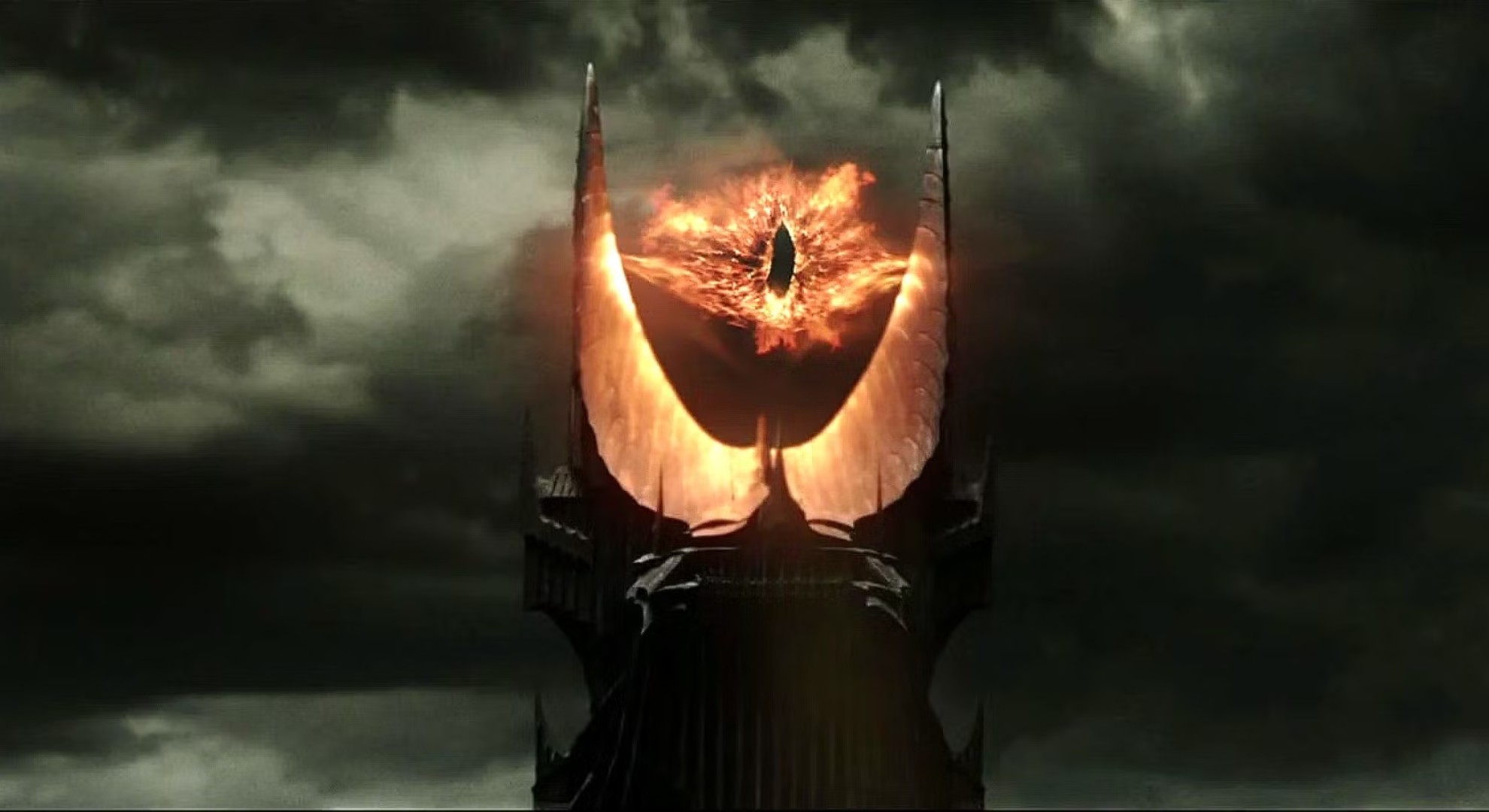
13. The Sauron Lidless Eye Design (Artistic Lineage)
Sauron’s “lidless eye” design in the films drew inspiration from concept art by Alan Lee and Weta’s visual development, translating Tolkien’s poetic descriptions into a cinematic motif. That particular visual became a shorthand for Sauron’s watchfulness and ties back to the illustrators whose work influenced Jackson’s visual vocabulary.
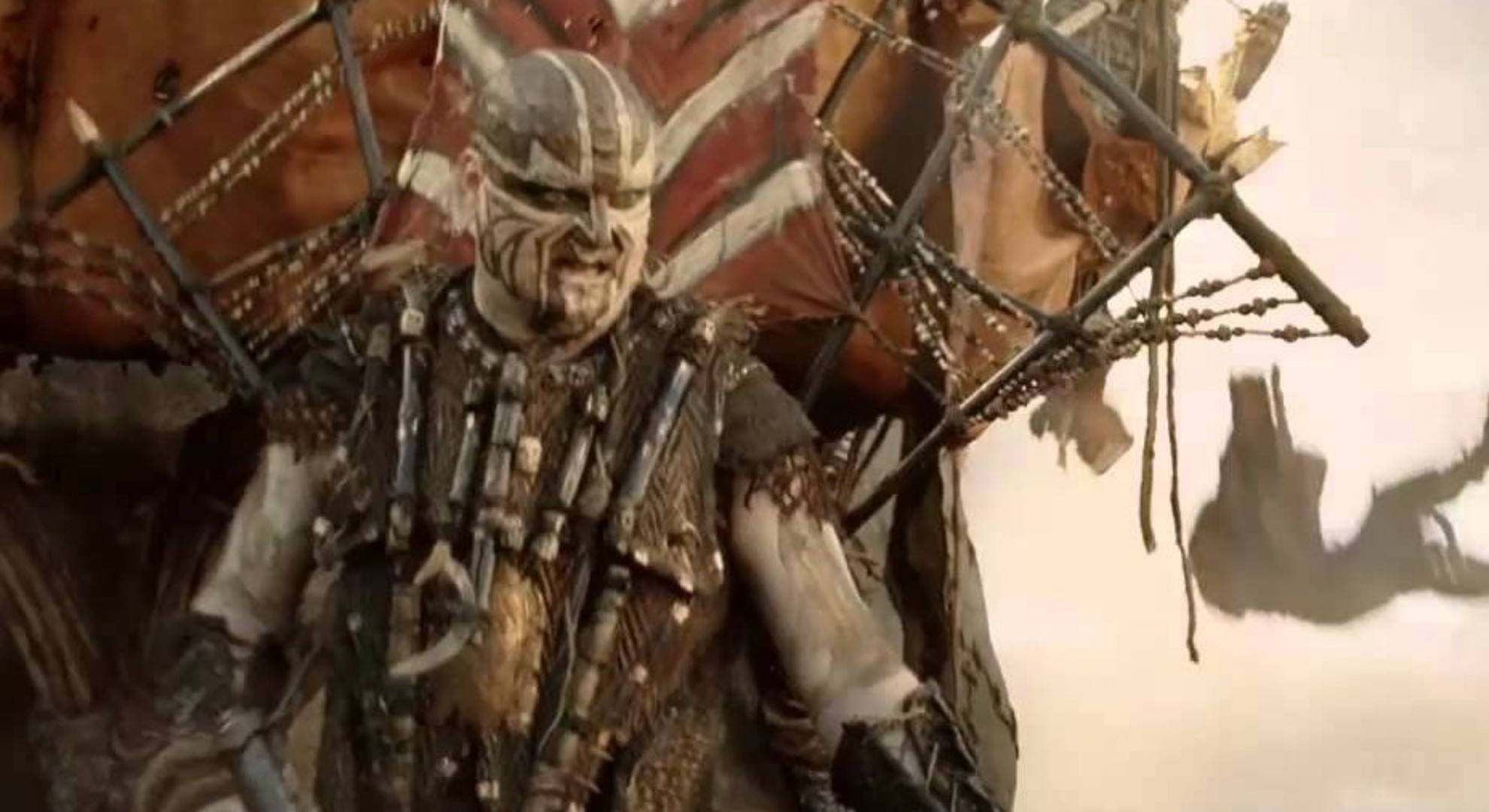
12. The Wilhelm Scream (Jackson’s In-Joke)
The infamous “Wilhelm scream”, a decades-old stock scream used as a sound-design inside joke across many blockbusters, appears multiple times in the LOTR films (Helm’s Deep, Minas Tirith battle moments, and others). Jackson’s sound team embraced the scream as a playful tradition; it’s a known recurring Easter egg that links his films to a long Hollywood practice of re-using the same boom-mic scream for comic effect.
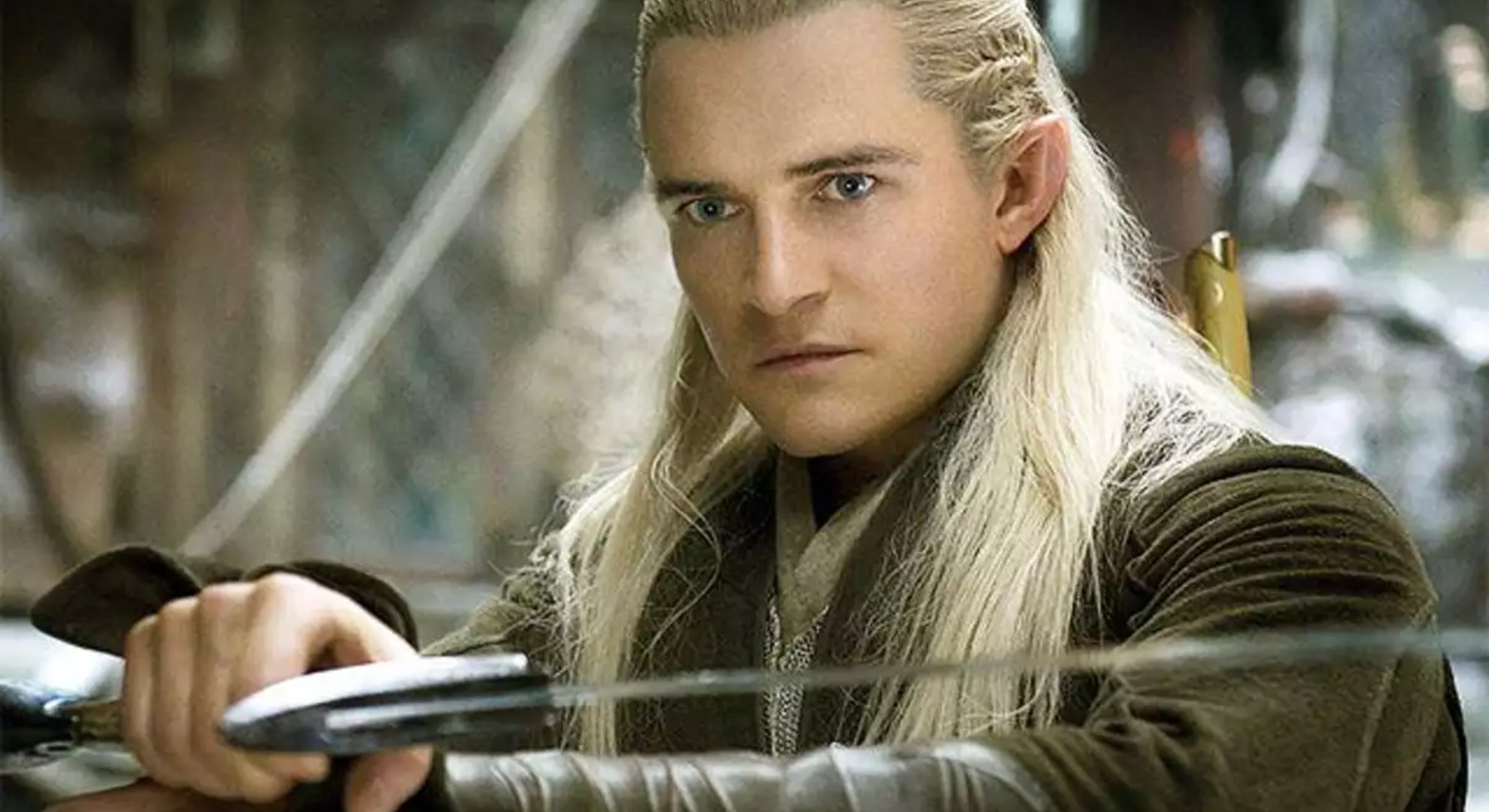
11. Legolas’ Subtle Cameo in The Hobbit Movie
Orlando Bloom’s Legolas appears in The Hobbit films (not in the original novel) as a connective choice: Thranduil’s son is useful to the movie’s political subplot and action sequences. Casting Bloom tied the trilogies together for mainstream audiences and provided a fan-pleasing action element (his expanded role was one of several Jackson made to broaden The Hobbit’s cinematic scope).
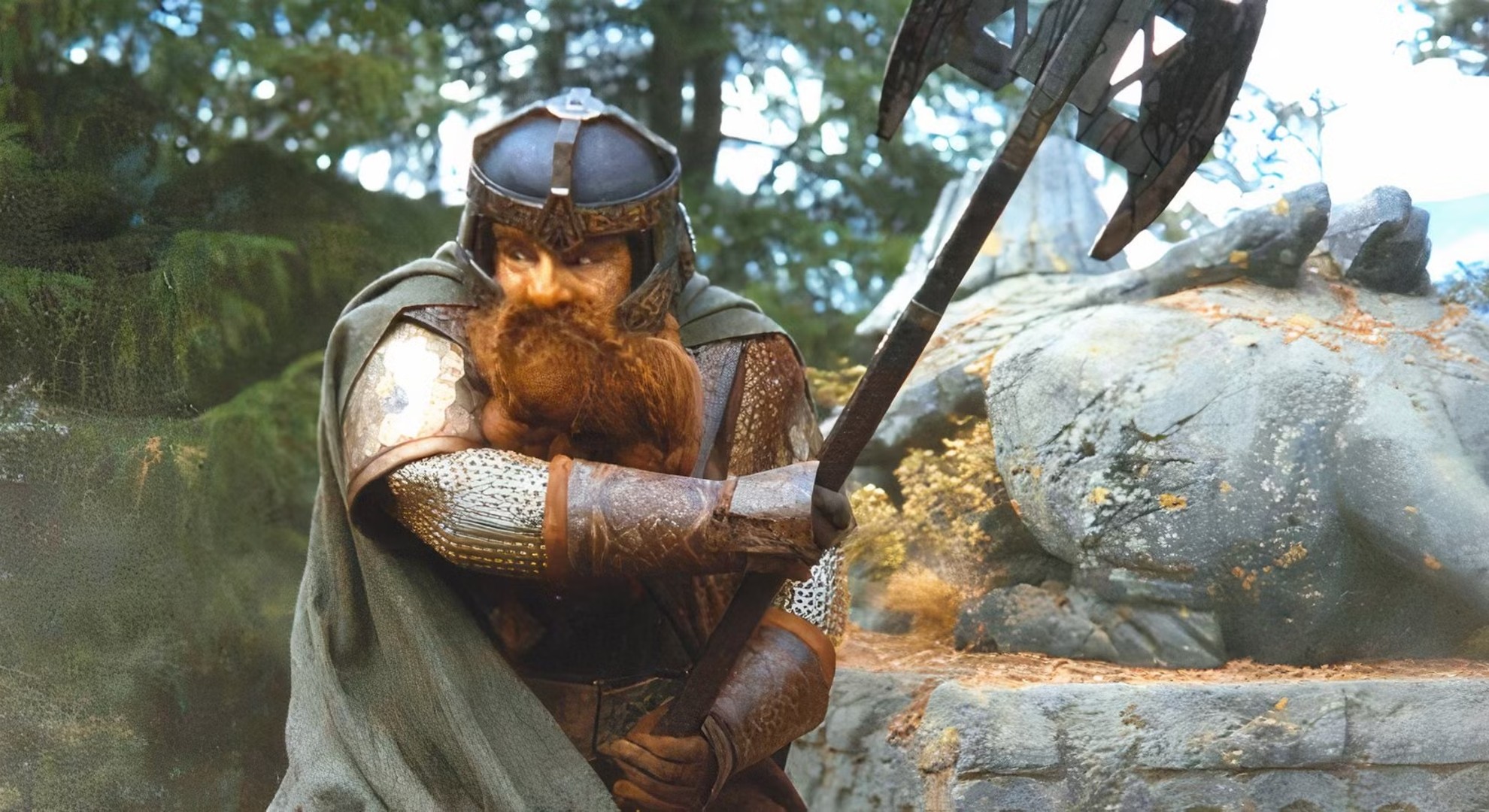
10. Gimli’s Axe in Rivendell — A Character Note
Gimli’s impulsive swing toward the Ring at Rivendell (and his bristling dwarf pride) acts as more than comic relief: it visually establishes dwarven temperament and material attachment early on, helping justify later character growth (Gimli’s loyalty to the Fellowship and friendship with Legolas). Costume, prop, and blocking choices here reinforce Tolkien’s textual cues about dwarf culture.
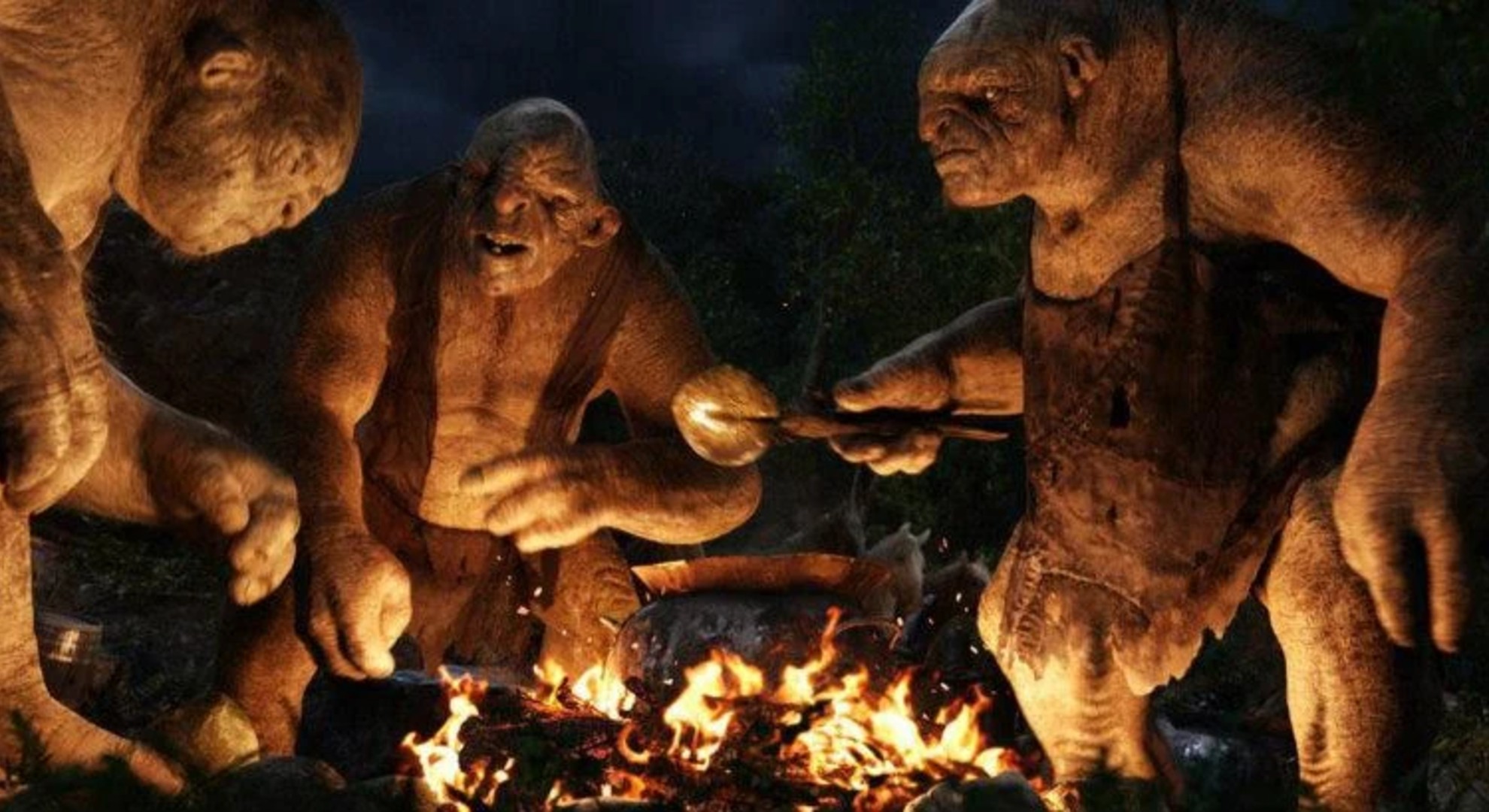
9. The Stone Trolls from The Hobbit (Easter-Egg Callback)
When the Fellowship passes the stone trolls in Fellowship of the Ring, the stony shapes echo the trolls Bilbo and Thorin encountered in The Hobbit films. That visual callback is a subtle in-film continuity choice: Jackson and the design team reused the iconic silhouette of rock-turned-trolls to remind book readers and film fans of the shared mythic geography.
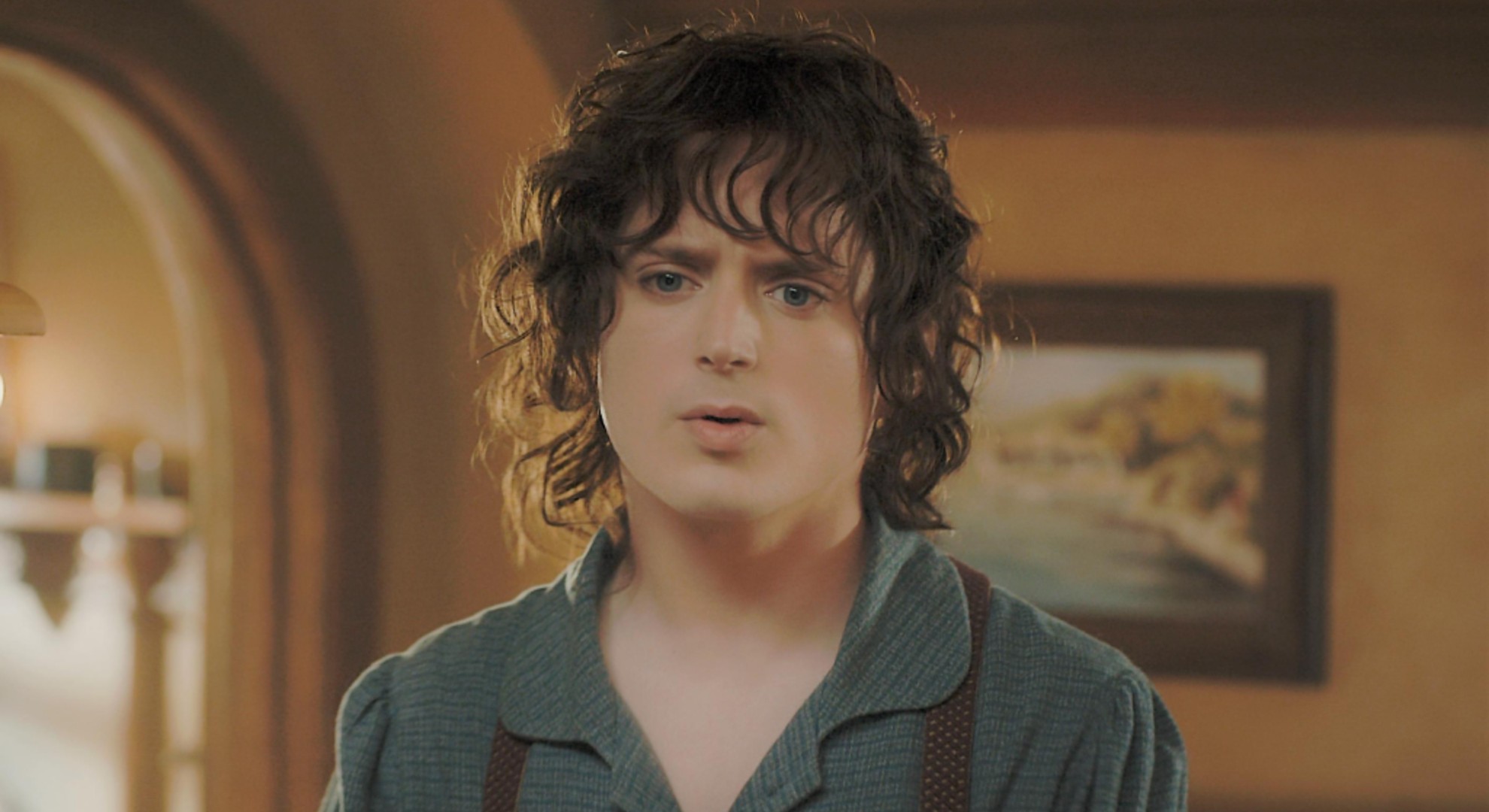
8. Frodo’s Cameo in The Hobbit
Elijah Wood briefly appears as Frodo in a framing device for An Unexpected Journey (bookend-style shots linking Bilbo’s tale to the later trilogy). Jackson used this kind of connective cameo to make the Hobbit films feel like part of the same cinematic universe and to remind audiences that the story is part of the broader narrative arc.
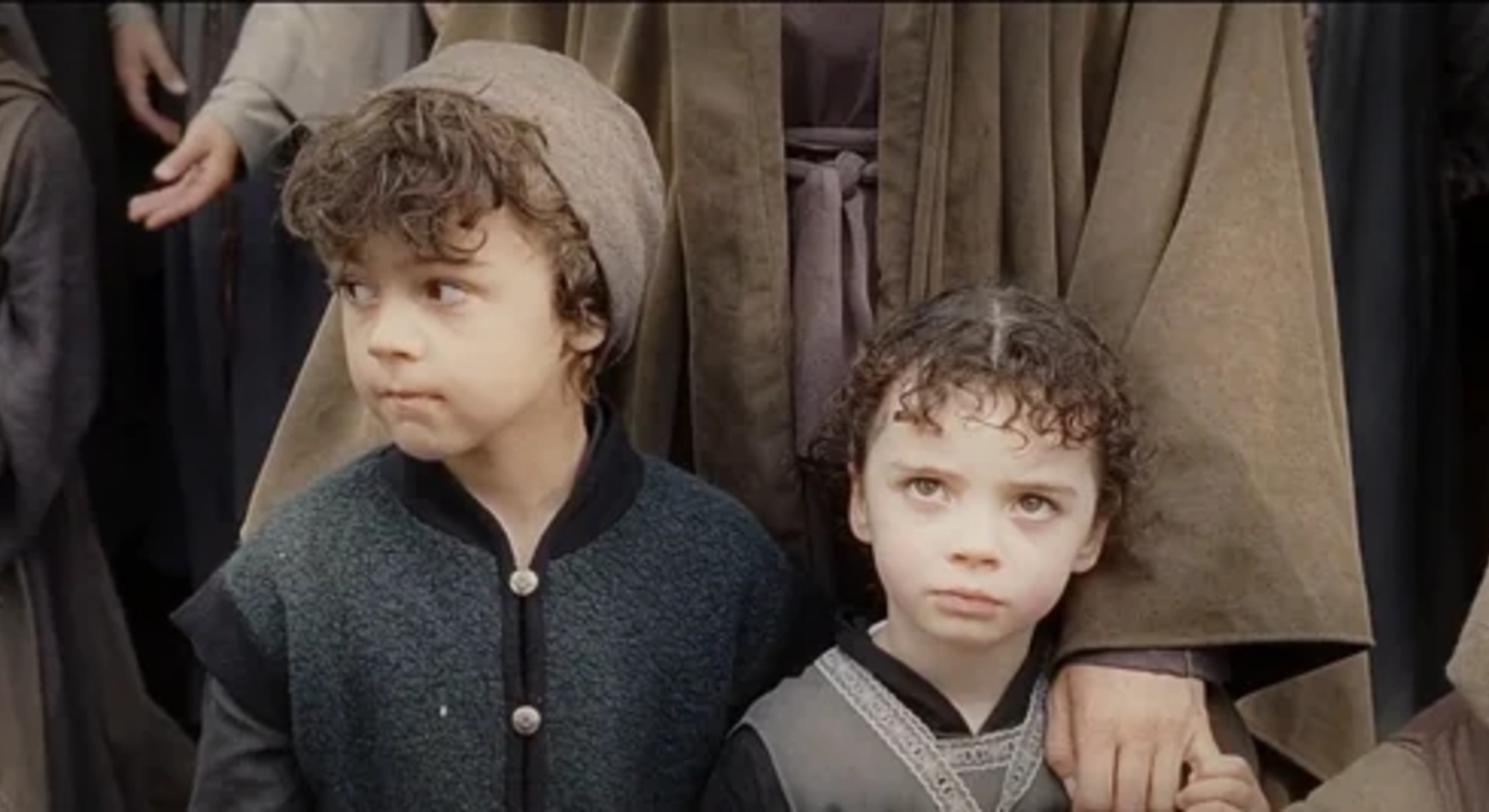
7. Jackson’s Kids Pop Up Everywhere
Peter Jackson’s children, Katie and Billy appear in multiple background roles across the Hobbit and LOTR films (Shire children, Lake-town extras, etc.). Using family and local extras was practical (New Zealand shoot) and also gave the films an intimate, community feel: many small moments in the Shire and crowds are created with real families, which helps the scenes breathe.
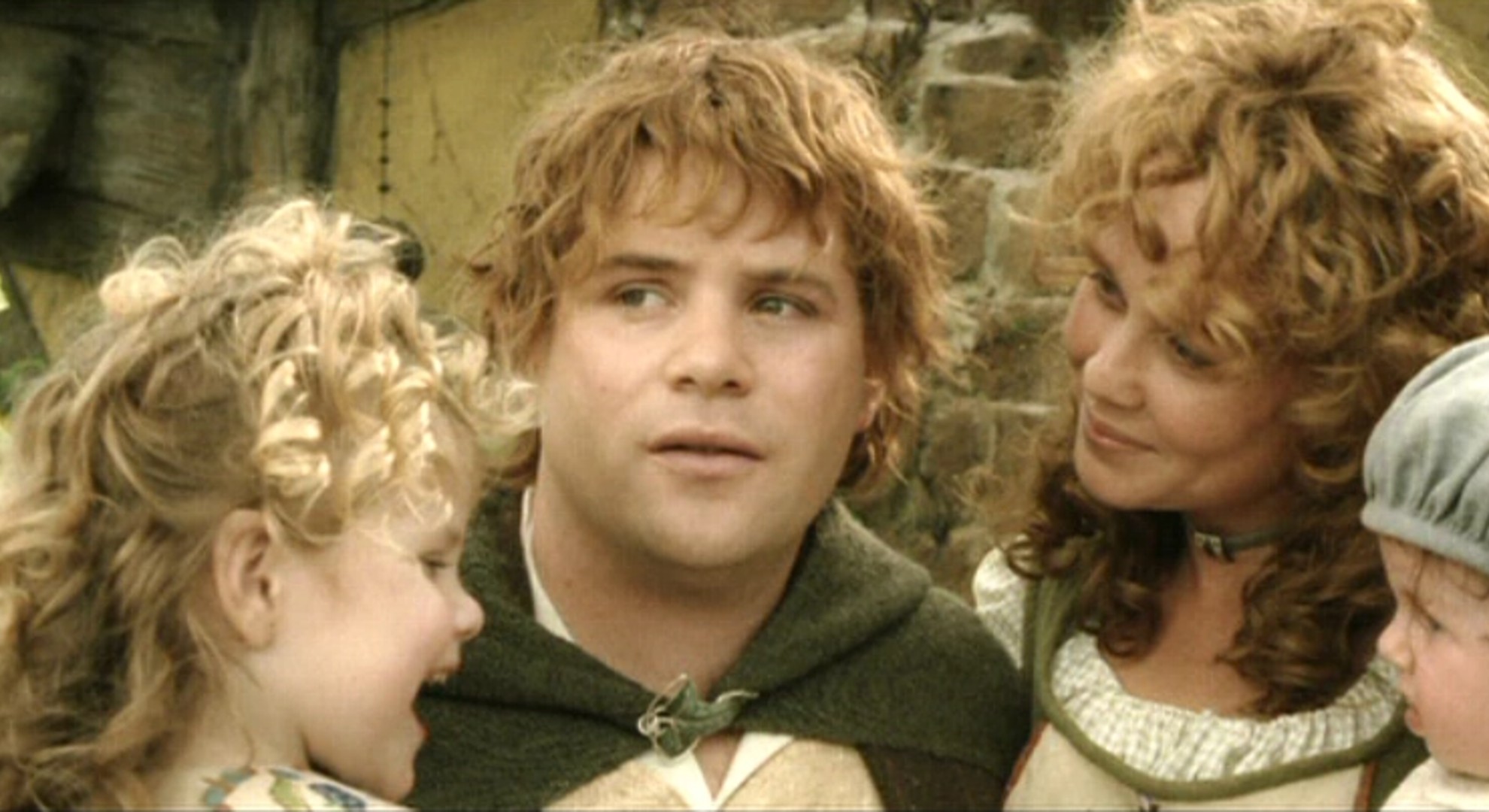
6. Sean Astin’s Daughter as Young Hobbit
Sean Astin’s real-life daughter (credited as Ali/Alexandra Astin) plays Elanor Gamgee in The Return of the King’s homecoming scene. Having the actor’s daughter play Sam’s daughter adds a genuine familial warmth to the final moments of the film and is a sweet production anecdote frequently noted in behind-the-scenes accounts.
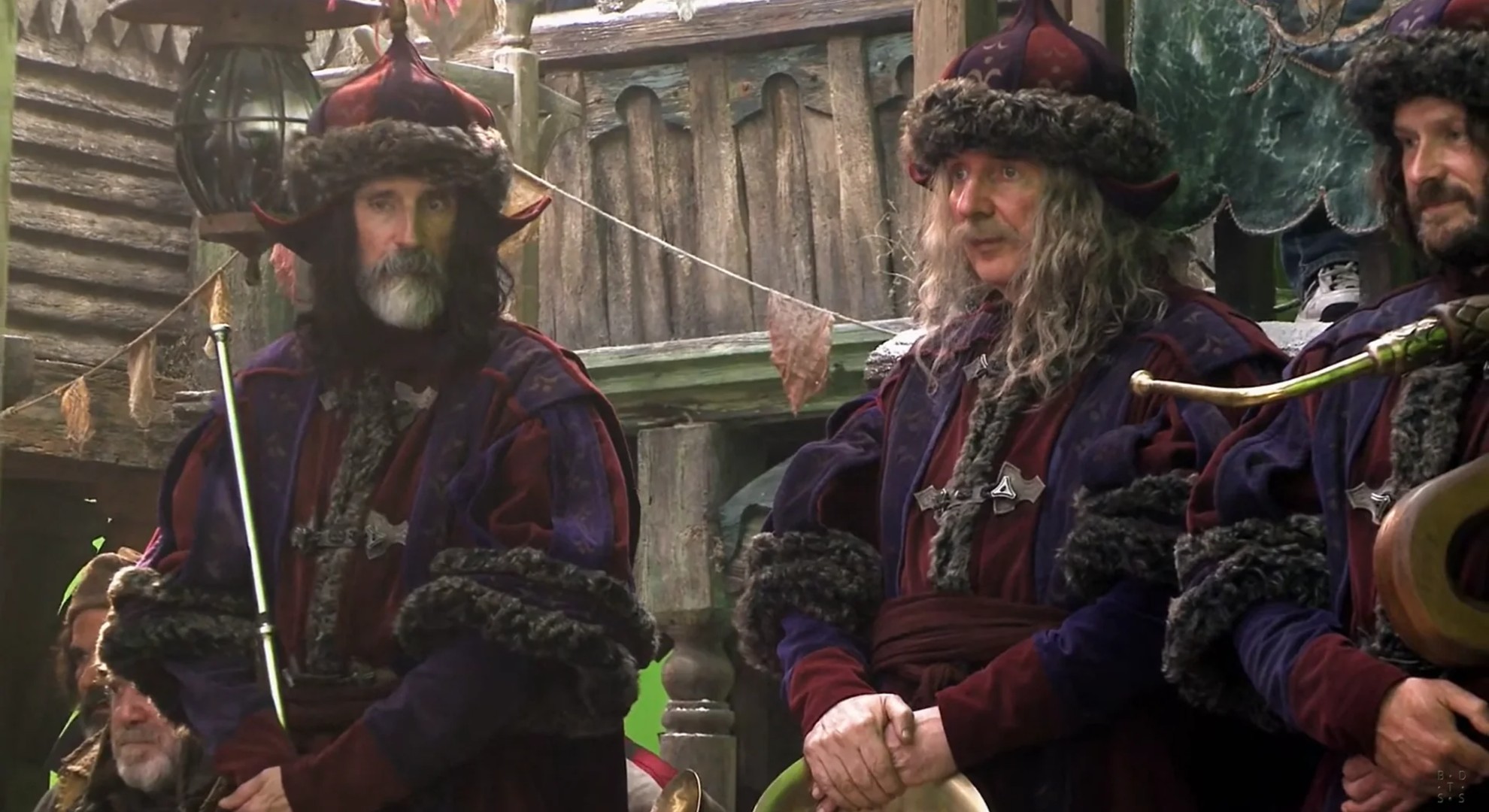
5. Alan Lee and John Howe Cameos
Alan Lee and John Howe are the two principal Tolkien illustrators whose visuals heavily influenced the films’ look, make brief appearances as Rohirrim soldiers and background extras. Their cameos are a deliberate nod to their creative contributions: Lee and Howe designed concept art that informed costumes, sets, and atmospheric details throughout Jackson’s Middle-earth.
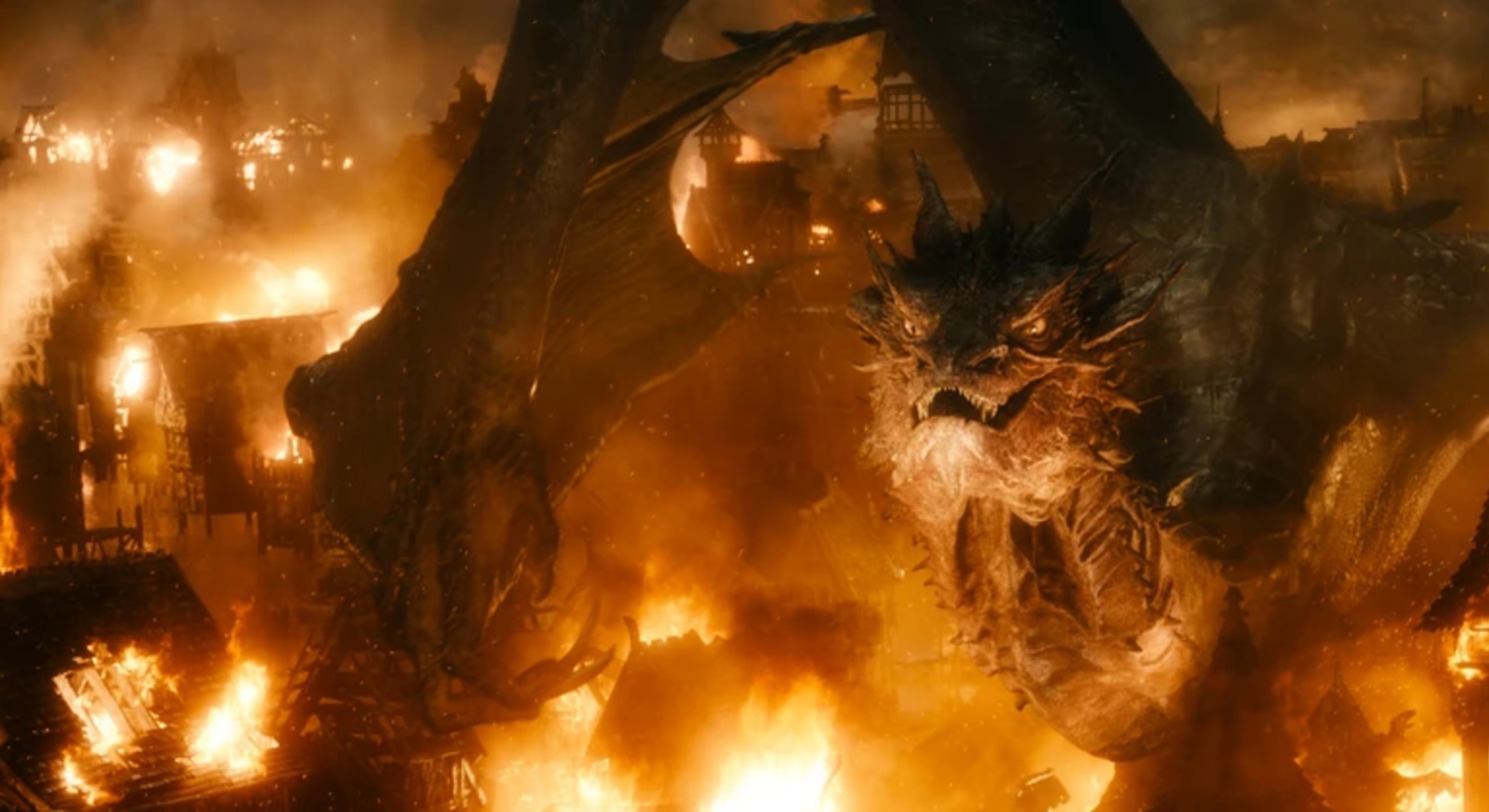
4. Barrie Osborne as a Lake-town Citizen
Producer Barrie Osborne appears in The Desolation of Smaug as a background Lake-town resident reacting to the dragon’s attack. Producers and production-team cameos like this were common across the trilogies, small, authentic moments that populate the crowd scenes and reward eagle-eyed viewers.
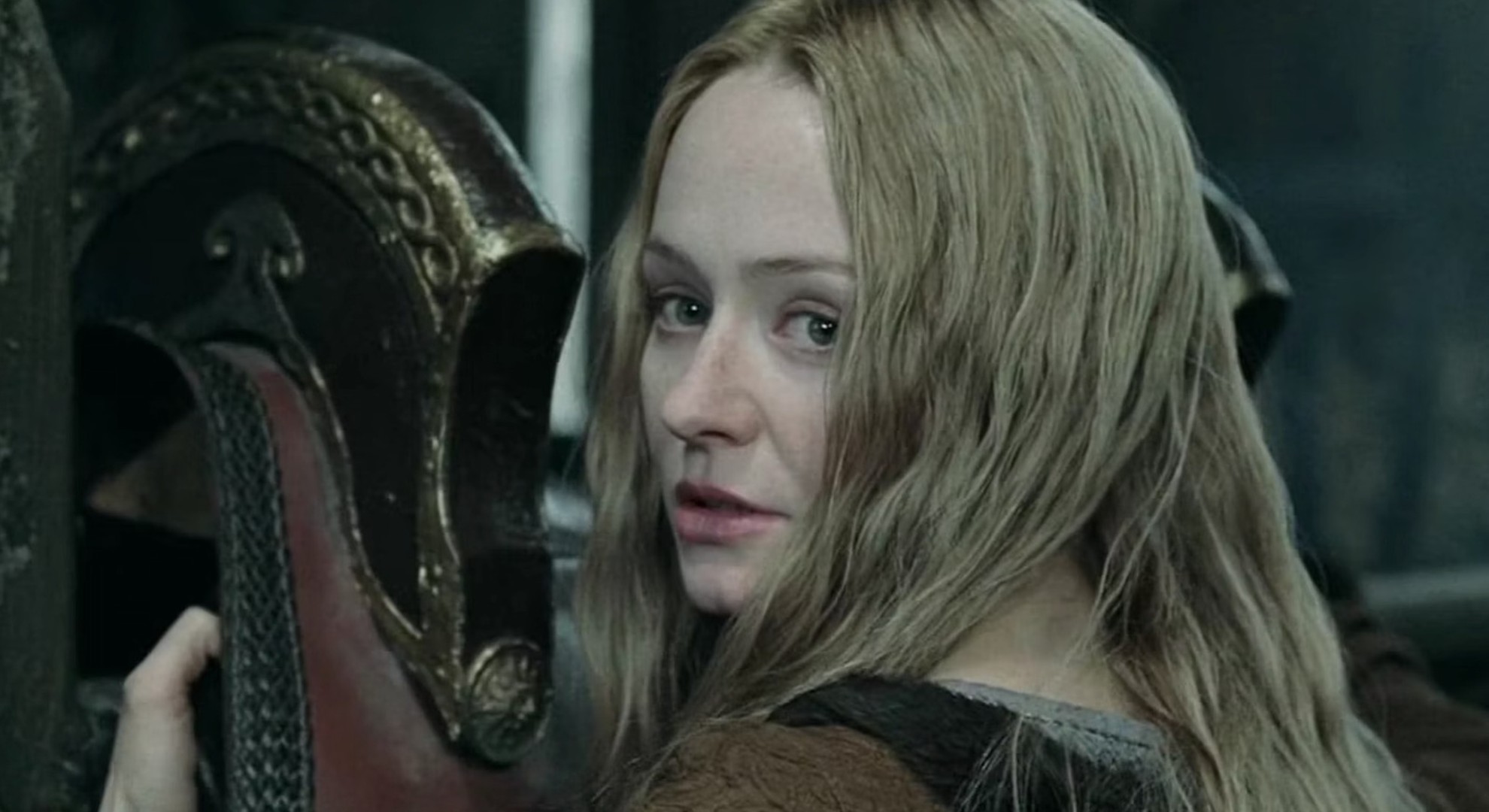
3. Philippa Boyens as a Rohan Mother
Co-writer Philippa Boyens appears among the Helm’s Deep crowd, shepherding frightened civilians to safety. That cameo is meaningful because Boyens not only co-wrote key adaptations (Fellowship–Return) but also helped shape the emotional beats of the films; her on-screen presence underscores the human cost of war that the scripts sought to emphasize.
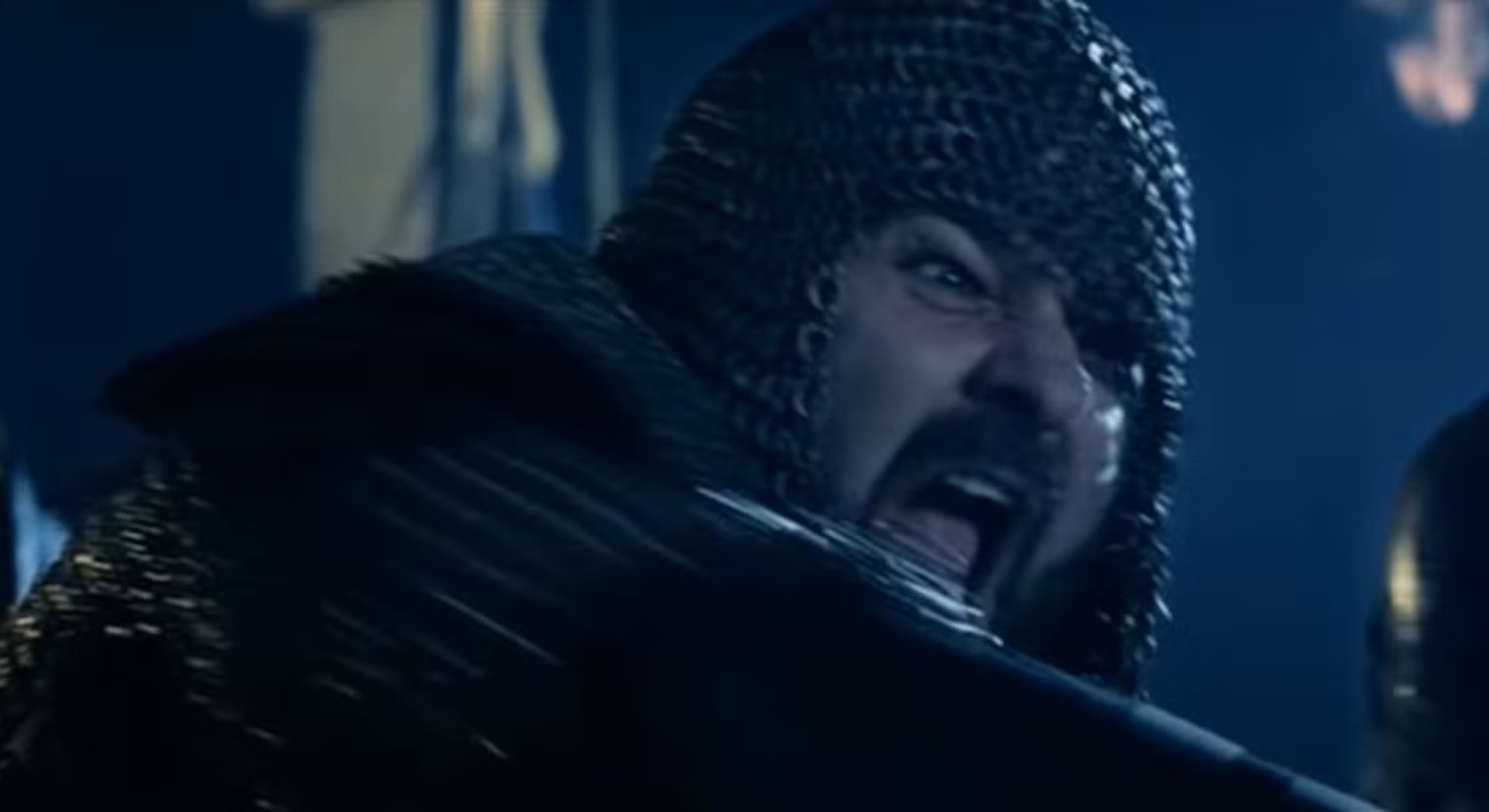
2. Jackson’s Flying Cherry Cameo
In The Two Towers, Jackson can be spotted in the Helm’s Deep sequences (briefly throwing a spear/rock), and in the Hobbit films, his Bree “carrot” persona reappears in crowd shots. These throwaway appearances were partly Jackson’s way of thanking the cast and crew and creating a light, playful auteur signature that fans enjoy spotting on re-watches.
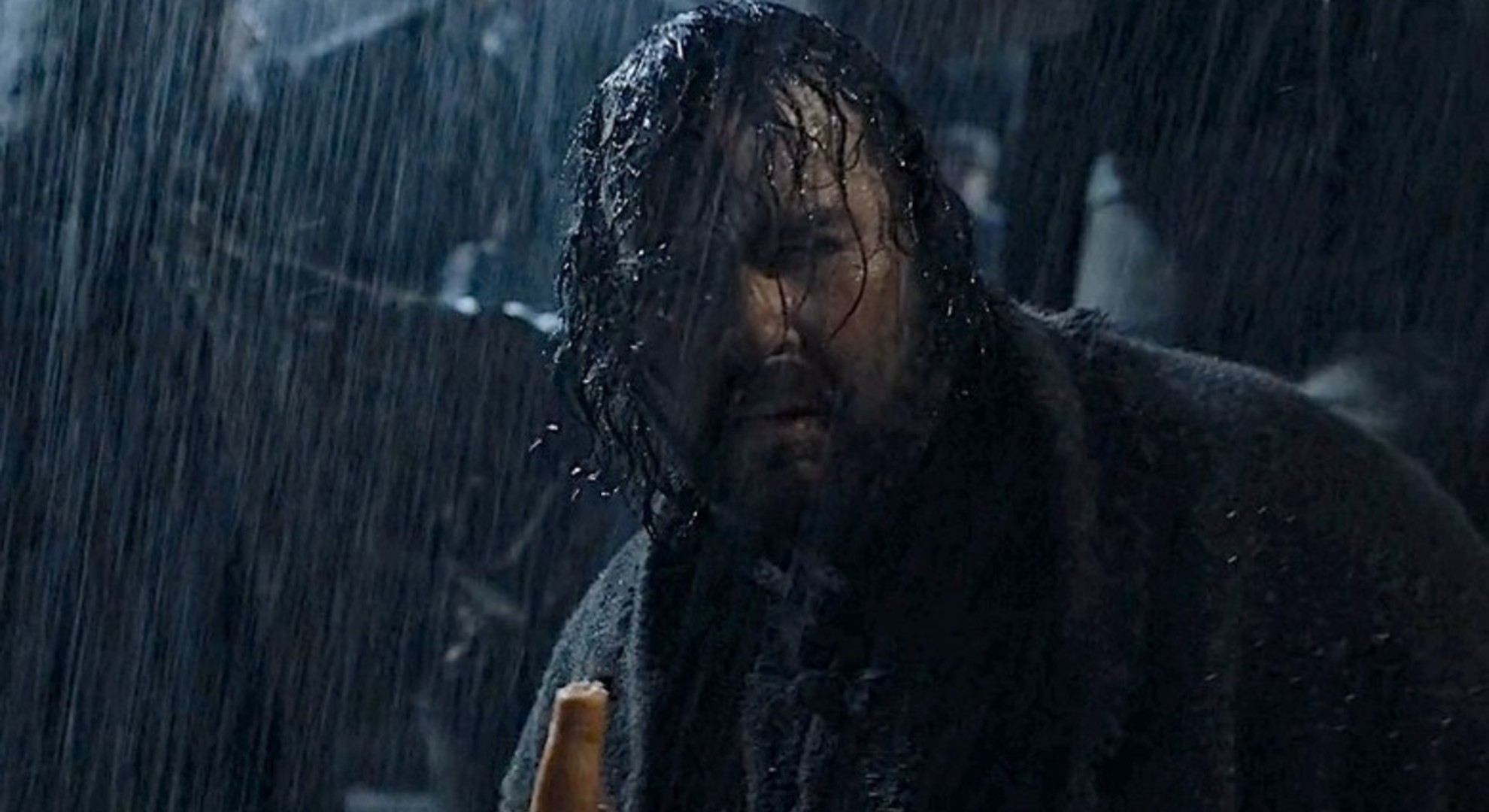
1. Peter Jackson’s Carrot Cameo
Peter Jackson quietly appears as a Bree townsman (nicknamed “Carrot Man” by fans) munching a carrot in The Fellowship of the Ring, which is a tiny self-insert that became a running gag: Jackson repeats similar background cameos across the films, intentionally placing himself as a small, human presence in Middle-earth. The cameo is non-canonical (not in Tolkien’s text) but became iconic among viewers hunting for Easter eggs.