10 Acclaimed Directors Who Have Never Won an Oscar
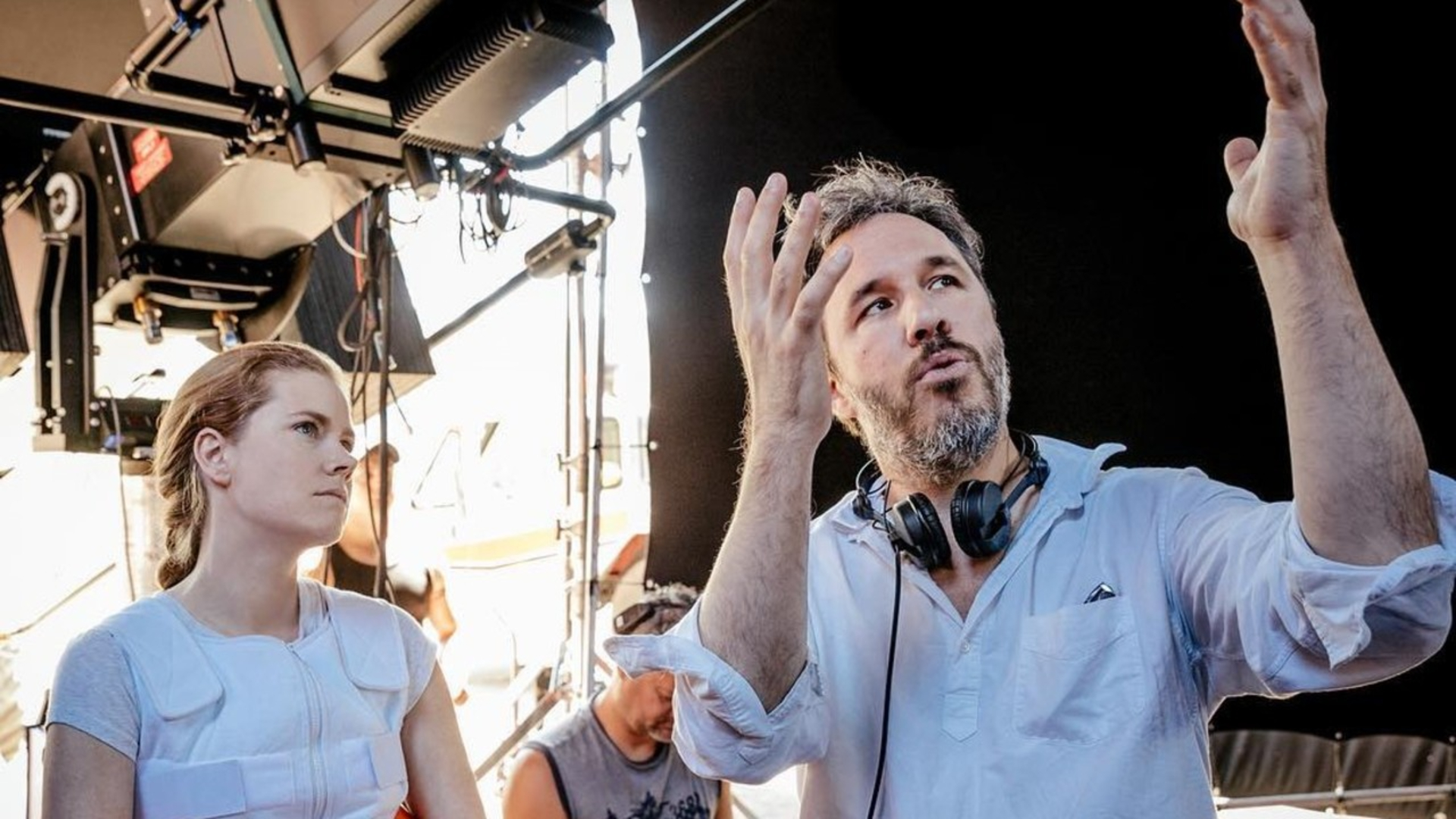
10. Denis Villeneuve
Currently the leading voice in high-concept sci-fi, Villeneuve has directed masterpieces like Arrival and the Dune series. While Dune: Part Two swept the technical categories at the 2025 Oscars, Villeneuve famously missed out on the directing win. His work is frequently praised for its massive scale and emotional depth, making him a perennial favorite for a win with his rumored upcoming project, Messiah.
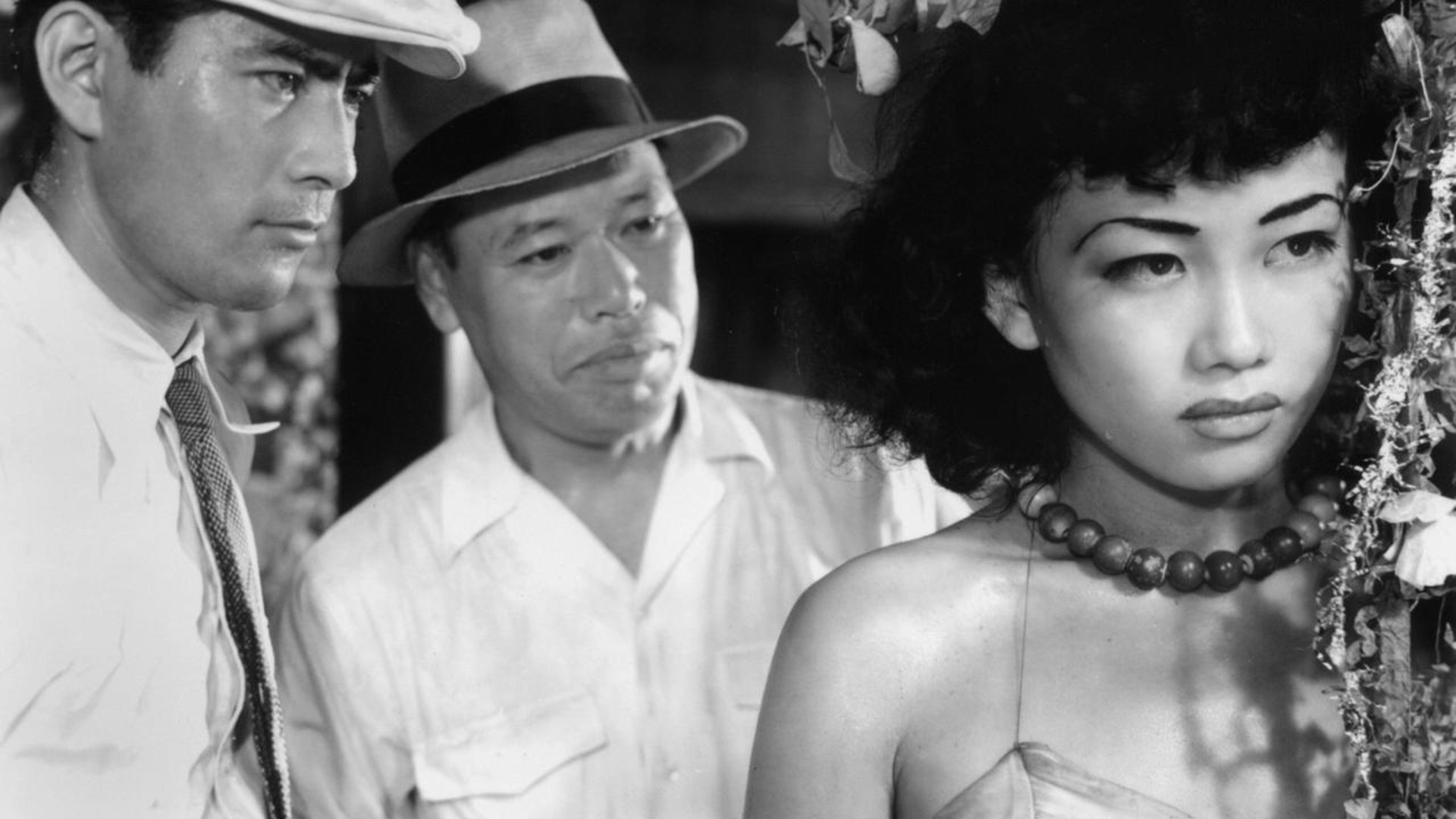
9. Akira Kurosawa
The Japanese legend who inspired Star Wars and the Western genre only received one competitive Best Director nomination in his entire life, for Ran in 1985. Although his films won for Best Foreign Language Film, Kurosawa himself was largely ignored by the directing branch during his prime. He was eventually granted an Honorary Oscar in 1990 to acknowledge his massive global impact.

8. Greta Gerwig
Gerwig made history by having her first three solo films, Lady Bird, Little Women, and Barbie, all nominated for Best Picture. Despite this unprecedented streak, she has only one Best Director nomination to her name. Currently, she is in post-production for her massive adaptation of The Chronicles of Narnia: The Magician's Nephew, set for a late 2026 release, which many hope will finally land her the trophy.
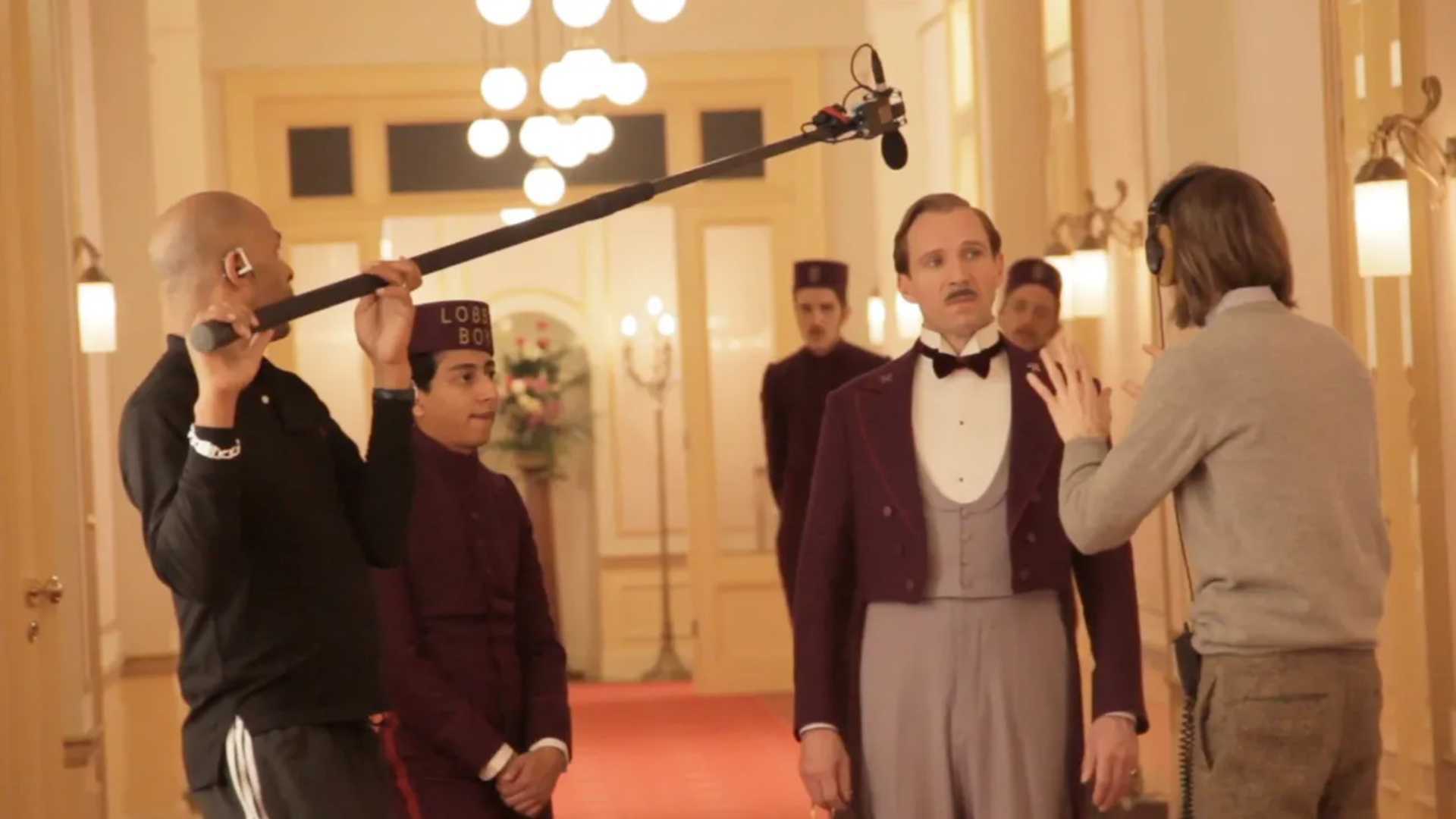
7. Wes Anderson
Known for his hyper-stylized and meticulously symmetrical aesthetic, Anderson has been nominated for Best Director only once, for The Grand Budapest Hotel. While he finally won an Oscar in 2024 for his short film The Wonderful Story of Henry Sugar, he has yet to win the "big one." His singular voice has made him a cult favorite, though he remains a niche choice for the Academy's top prize.
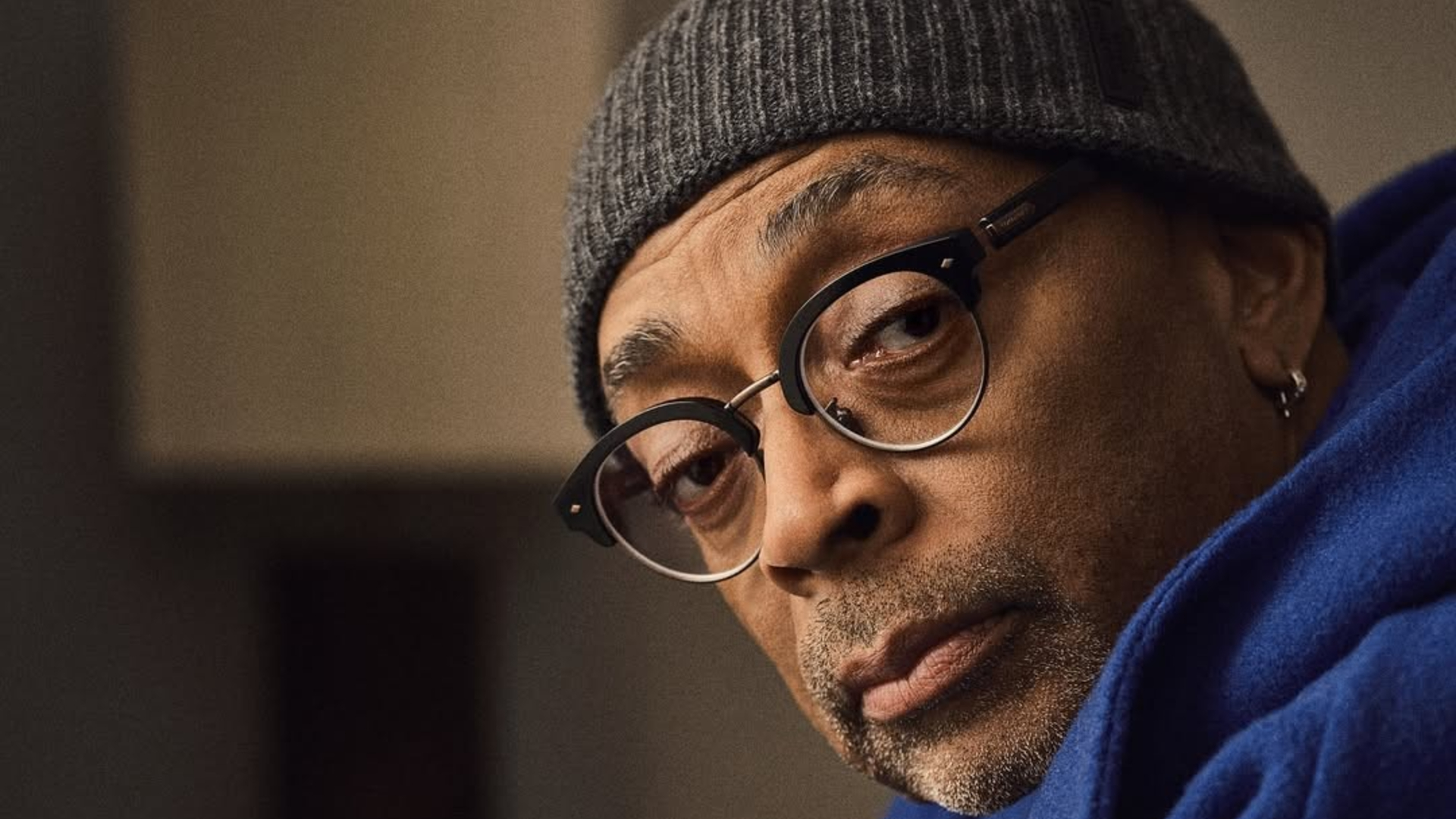
6. Spike Lee
Lee has been a foundational voice in American cinema for decades, yet he has only one Best Director nomination for 2018's BlacKkKlansman. He won an Oscar for Best Adapted Screenplay for that film and received an Honorary Award in 2015, but the directing trophy has stayed out of reach. His work continues to push social boundaries, often making him a "provocateur" in the eyes of more conservative voters.
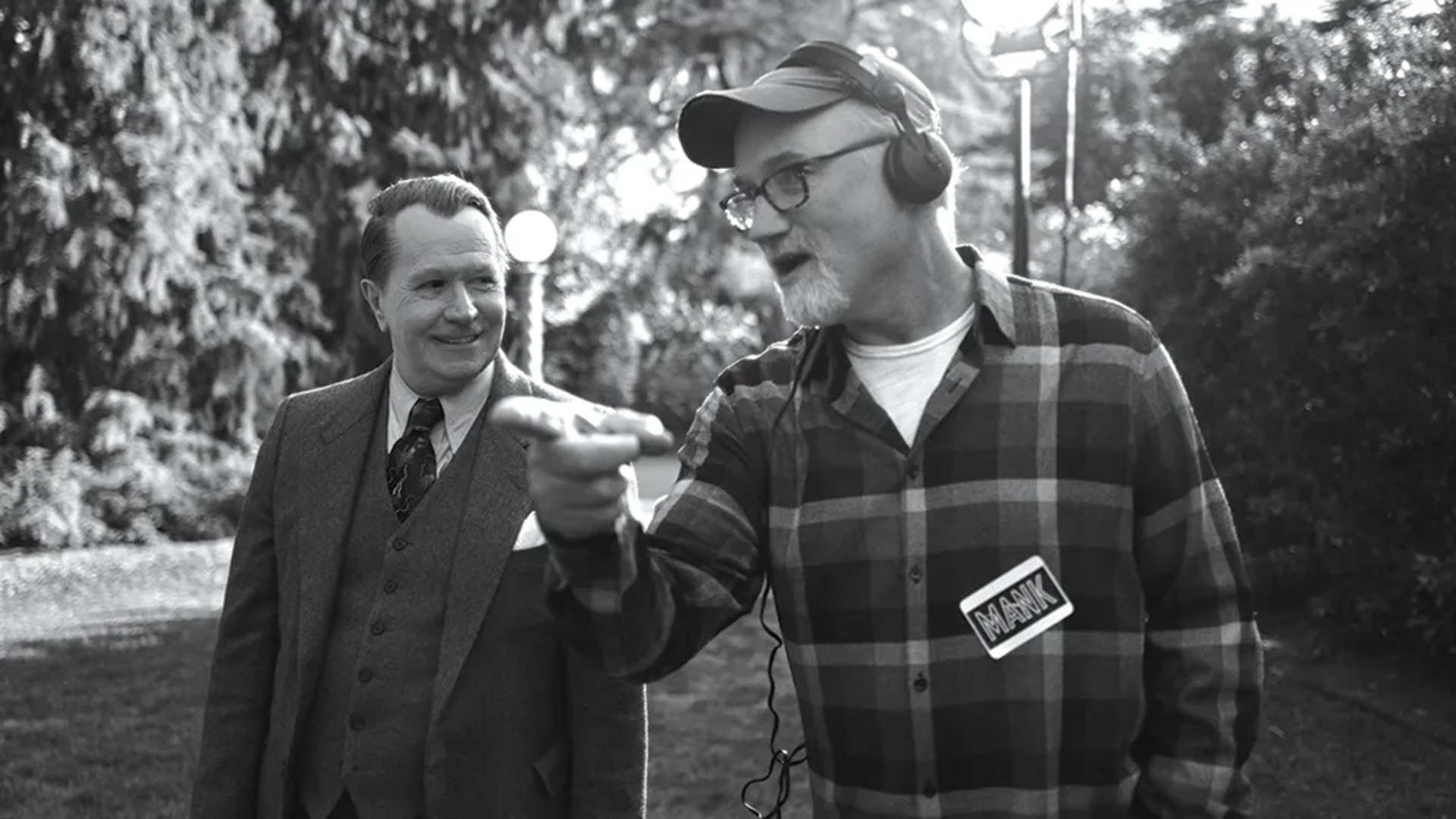
5. David Fincher
Fincher is the king of modern technical perfection, earning three Best Director nominations for The Social Network, The Curious Case of Benjamin Button, and Mank. Despite defining the visual aesthetic of the 21st-century thriller, the Academy has consistently passed him over. Many critics cite his loss for The Social Network as one of the most controversial snubs in modern Oscar history.
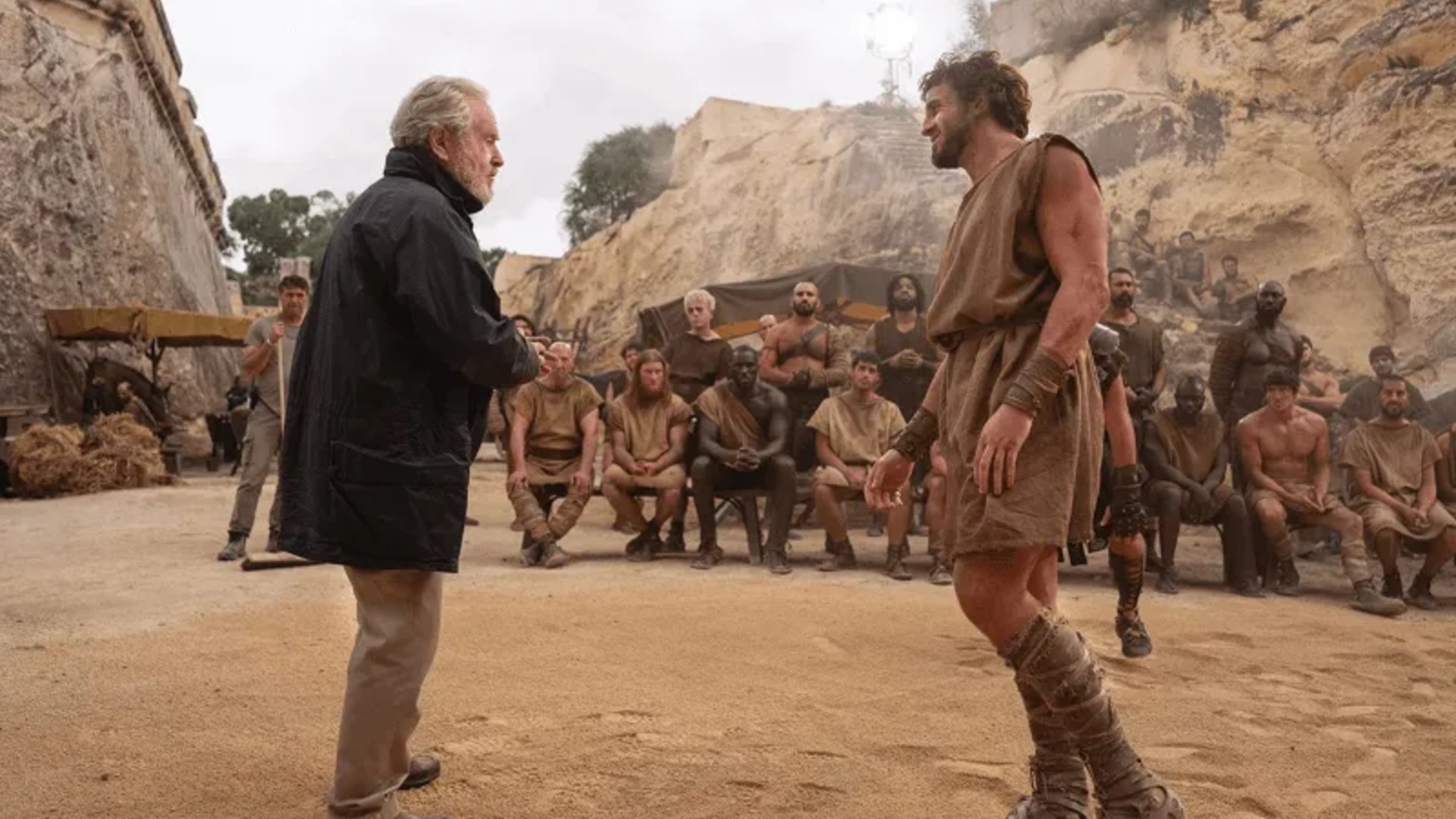
4. Ridley Scott
With a career spanning over four decades, Scott has helmed iconic films like Blade Runner, Alien, and Gladiator. He has been nominated for Best Director three times, yet the statue remains elusive even when his films win Best Picture. At 88 years old, he remains incredibly prolific, having recently completed another historical epic, keeping him as a top-tier candidate for a future "legacy" win.
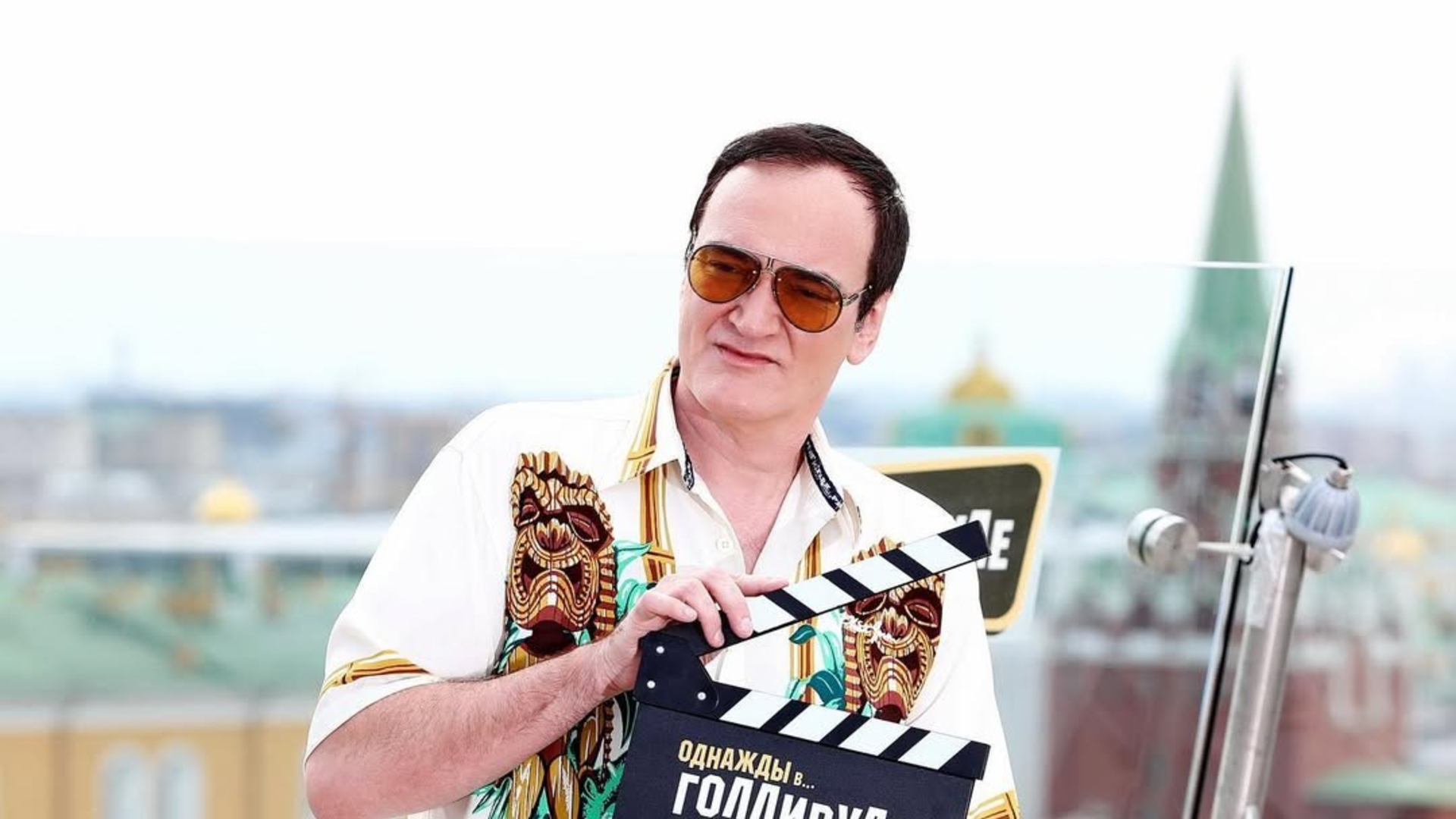
3. Quentin Tarantino
Tarantino is a two-time Oscar winner for his screenplays, but he has never taken home the trophy for Best Director. He has been nominated in the category three times, most recently for Once Upon a Time in Hollywood. With his self-imposed "ten-film limit," his upcoming final project remains his last chance to secure the directing win, though he has spent the last year exploring stage plays and books instead of his final movie.
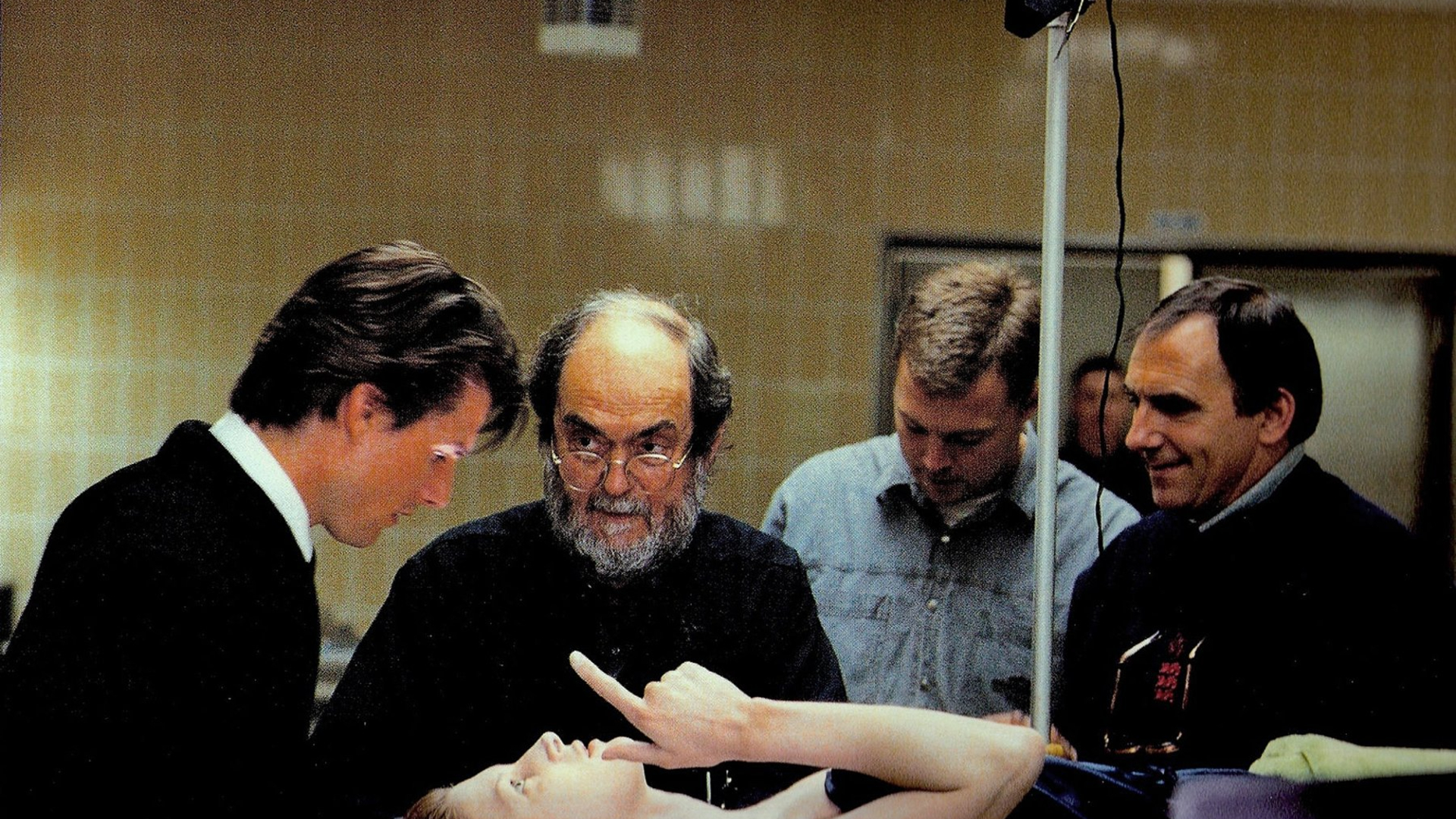
2. Stanley Kubrick
Widely considered one of the most visionary filmmakers in history, Kubrick received four Best Director nominations for films including 2001: A Space Odyssey and Dr. Strangelove. His only competitive Oscar was actually for Best Special Visual Effects for 2001, not for his directing. His meticulous and often cold style was frequently at odds with the Academy's historical preference for more emotional, human-centric narratives.
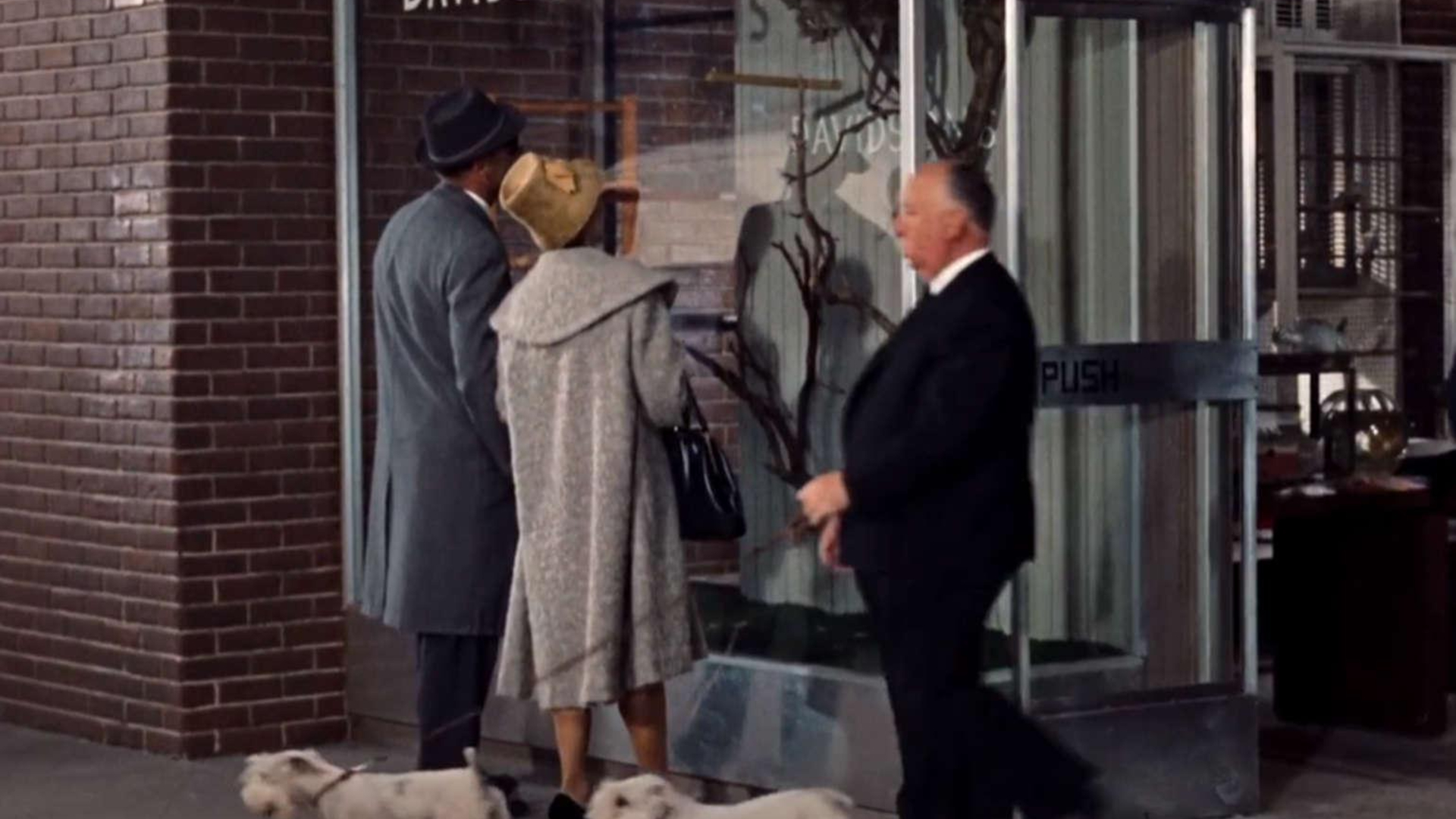
1. Alfred Hitchcock
Often called the "Master of Suspense," Hitchcock was nominated five times for Best Director for classics like Psycho and Rear Window but never won. Despite his massive influence on the thriller genre, his only Oscar was an Honorary Award presented late in his career. Many film historians believe his massive popular success at the time made the Academy overlook his technical genius in favor of more traditional dramas.